Intel 3-D Transistor Technology Opens Door To New Era Of Breakthrough Devices
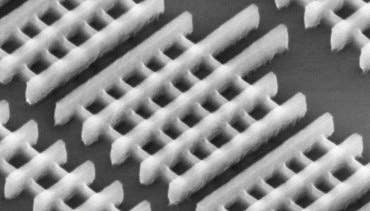
Intel Wednesday demonstrated its revolutionary three-dimensional (3-D) Tri-Gate transistor technology in a 22-nm microprocessor, code-named Ivy Bridge, that is already being used in prototype laptops, servers and desktop systems.
Intel said Ivy Bridge, which is "slated for high-volume production readiness" by the end of the year, marks the first time since the invention of silicon transistors more than 50 years ago that a 3-D silicon structure will be put into high-volume manufacturing.
The Ivy Bridge 3-D breakthrough assures Intel's microprocessor technology dominance for years to come and opens the door to a new class of almost unimaginable, ever smaller, ever faster and more energy efficient devices in the years ahead, said system builders.
"This opens the door for technology to keep accelerating at historic rates," said Glen Coffield, a 30-year technology veteran who is president of Smart Guys Computers, a Lake Mary Fla. system builder and computer retailer. "It opens up new technology vistas. I can see years from now a full-powered PC I stick in my pocket and use with Blue Tooth 3D glasses that make it look like I am working on a 60-inch, high-definition screen. That is the kind of breakthrough that will eventually come from this 22 nanometer technology. The whole idea is to make smaller, faster and cooler devices."
Coffield sees a new era of smartphones, tablets and consumer devices like smart televisions being powered by the three-dimensional silicon.
Intel itself characterized its 3-D Tri-Gate technology as a "significant breakthrough" that is a marked departure from the two-dimensional planar transistor that for more than 50 years has powered PCs, laptops, mobile phones and innumerable devices in countless products from home appliances to cars. Intel said the 3-D breakthrough ushers in the next generation of "Moore's law," named after legendary Intel co-founder Gordon Moore.
Moore pioneered the concept that the pace of silicon technology development will double every two years, leading to increased functionality, performance and lower cost computers and electronic devices. "For years we have seen limits to how small transistors can get," said Moore in an Intel press release. "This change in the basic structure is a truly revolutionary approach, and one that should allow Moore's Law and the historic pace of innovation to continue."
That is no small matter given that many viewed Moore's Law on a "death watch" given the limits of two-dimensional transistor development, said Coffield. "There was a feeling that Intel was not going to be able to maintain that pace," he said. "This takes Moore's law to another level."
Next: Intel VP Pledges Socket Compatibility With Sandy Bridge
Intel Vice President of Sales and Marketing and General Manager of the Worldwide Reseller Channel Organization Steve Dallman said the "cool thing" about Ivy Bridge for Intel system builders is that it has "socket compatibility" with Intel's current state-of-the-art Sandy Bridge platform.
"That was an ask we made specifically for the channel," said Dallman. "My system builders will be able to take their second generation core products they are building now and place the Ivy Bridge chips on those boards. That means their time to market will be greatly enhanced."
Coffield said that backward compatibility is going to be a "big selling point" for those customers that buy Sandy Bridge powered systems. As a result, he said, system builders will be able to upgrade Sandy Bridge customers to new Ivy Bridge processors.
"Customers want an assurance that what they are buying today is not going to be obsolete tomorrow," he said. "This allows us to sell Sandy Bridge systems as a precursor to Ivy Bridge. Processor upgrades are easy and fast. This creates a second selling opportunity for us."
Dallman said Ivy Bridge is a "next generation" product that extends the lead that Intel has already established with Sandy Bridge. It opens the door to "yet another transition" where system builders will be able to bring new "features and capabilities" to customers, he said.
Coffield, who at one time built 10,000 systems a year and will likely build about 2,000 this year, urged Intel to use the three dimensional 3-D transistor breakthrough to revitalize it system builder channel.
Getting system builders to embrace the new 3-D transistor technology out of the gate will assure new innovative products in vertical and specialty markets, said Coffield. "System builders are the guys that are going to test these new 22 nanometer products and and put them into new classes of products," he said. "Intel needs to make sure that system builders get these processors first so we can add value and pioneer new markets."
Unlike other industries, including clothing, where new designs are first offered through boutique retailers and then make their way to discount department stores, the computer industry insists on blasting out new technology to multinational PC makers and Big Box retailers that commoditize the technology instantly, said Coffield.
"You can either establish value you for your product or you can do what is done in a commodity business where manufacturers throw it out there and sell it for whatever the market will bear with no regard for the basic law of supply and demand," he said.
Coffield said he expects to see wide availability of Ivy Bridge processors sometime in the first or second quarter next year. "Just because you announce a product doesn't mean it is really out there yet," he said.