SyferLock: Secure Passwords, No Tokens
Company:
Headquarters: Southport, Conn.
Technology Sector: Security
Key Product: GridGuard
Year Founded: 2007
Number of Channel Partners: 20-plus worldwide
Ideal Channel Partner: Enterprise-focused solution providers
Why You Should Care: SyferLock has a new solution to a common problem: remembering passwords.
The Lowdown: Executives at SyferLock say that its GridGuard product is a little like having cake and eating it too. The Southport, Conn.-based authentication company has come up with a way to provide unique passwords while its customers only have to remember one.
"We transmitted as a one-time password, with no physical device, no download to client. And they don't' have to carry anything," said Paul Sitar, CEO of SyferLock Technology Corp. "That uniquely positions us in the authentication space."
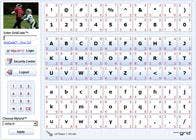
The solution, Sitar said, fills a valuable niche in the marketplace as enterprises increasingly face challenges in meeting unique password requirements for users to access sensitive corporate applications. Tokens and other devices are expensive and often get lost. And employees often have trouble remembering constantly rotating passwords, Sitar said.
That's where GridGuard comes in. The way it works is simple. Users create their own password in GridGuard, which remains static. However, the users ultimately submit a different password for each login conducted through the GridGuard system that associates each letter of the original password to arbitrary letters and numbers selected by the application.
"We allowed them to continue to use a static password, but just made it much stronger," Sitar said.
The company has an international client base and is starting to focus its attention on growing its channel with enterprise security-focused resellers. And although SyferLock has primarily targeted the enterprise, as well as pharmaceutical, health care and government verticals, executives contend that GridGuard can scale to fit the needs of just about any midmarket company, ideally with its own IT staff.
"There's opportunity wherever passwords and pins are being used," Sitar said.