Feedback: The GPS for Employee Success
Effective feedback is the GPS for employee success, guiding performance, engagement and career growth in real time. Constructive, continuous feedback, midyear and annual reviews, and clear links to pay increases drive retention, productivity and workplace culture.
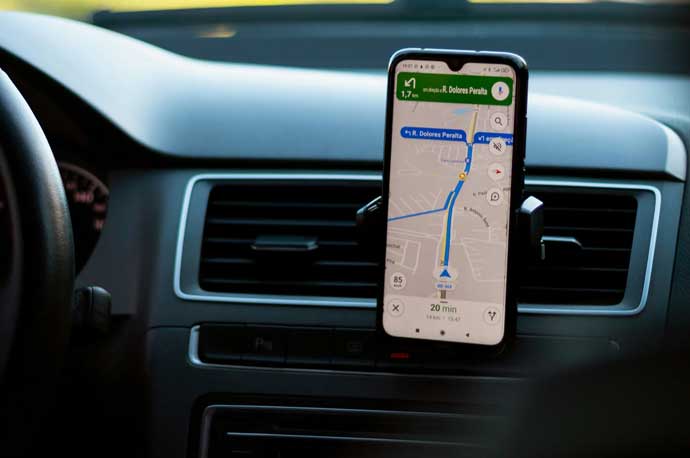
Picture it: You’re heading on a cross-country trip. You get into your car, armed only with a printed map from the early 2000s. You trace the route with your finger, circle a few stops and hit the road. But as soon as you pull onto the highway, you’re not met with an open road. Construction, a traffic jam, an unanticipated detour renders that paper map useless. No updates. No reroutes. Just you and an outdated plan, hoping and wishing for the best.
Now compare that with driving with your favorite map application on your phone. Every twist, every slowdown, every better route appears in real time. It’s telling you where you should go, guiding you as you drive, helping you avoid pitfalls and arrive faster, smoother and with less stress. Or at least fewer traffic jams.
This is exactly what feedback does in the workplace. Without it, we are all driving blind with a static plan, forced to guess how to reach our organizational “destination” of success. With feedback and constructive critique, we have a responsive system. Clear directions, real-time adjustments and reassurance to keep us on track. And just like we’d never go back to navigating with a static map, we cannot expect employees to thrive without meaningful feedback.
The Data Says It All
Engagement And Performance Rise With Feedback
Gallup’s research shows disengaged employees cost the global economy $8.8 trillion, or 9 percent of GDP. Teams that receive regular, constructive feedback report 20 percent higher performance and are 87 percent less likely to leave their company.
Employees Want Feedback More Often
A PwC survey found 60 percent of employees want feedback at least weekly—far more frequent than traditional annual reviews provide. Forbes reports that 87 percent of employees want growth opportunities, but only one-third feel they receive the feedback needed to achieve them.
Continuous And 360-Degree Feedback Drive Growth
Both PwC and Deloitte have moved away from rigid annual reviews toward real-time, multi-source feedback. Deloitte’s 360-degree approach gathers input from peers, managers, subordinates and clients, offering a well-rounded view of performance.
Positive Feedback Packs A Punch
Research published on arXiv (2023) found positive feedback consistently improves performance, while purely negative feedback often fails to produce meaningful change. The key is balance: Pair constructive input with recognition to reinforce progress.
Feedback Must Lead To Action
Harvard Business Review warns that asking for feedback without acting on it can damage trust. Employees need to see that their input is valued and implemented.
How Formal Reviews Still Shape Pay
While continuous feedback is on the rise, midyear and annual performance reviews are still a staple for most organizations with about 71 percent of them still conducting annual reviews. Many pair them with midyear check-ins to adjust goals and offer course corrections.
These formal reviews often carry direct financial weight. In many companies, performance ratings from these reviews influence:
- Merit-based raises
- Bonuses
- Promotions and advancement opportunities
In more progressive and inclusive organizations, feedback and compensation conversations are separated. Leaders use reviews to focus on development then hold follow-up meetings to discuss pay. This approach reduces anxiety, keeps employees focused on growth and helps minimize bias.
Still, timing matters. Linking pay increases closely to reviews reinforces the connection between strong performance and reward. Without that link, employees may not receive the “GPS signal” of feedback and be organizationally disconnected, or worse: lost.
Practical Strategies For Leaders
- Make feedback a habit, not a meeting: Replace once-a-year reviews with ongoing conversations.
- Balance praise with constructive direction: Recognize what’s working before addressing what needs improvement.
- Use multiple sources: Incorporate peer and client insight for a fuller picture.
- Act on what you hear: Close the loop by showing how feedback influences change.
- Leverage technology: Use digital tools to capture, track and respond to feedback in real time, just like a GPS updates your route.
- Connect the dots on pay: Be transparent about how performance and compensation are linked, even if conversations are held separately.
The Bottom Line
Feedback is the workplace GPS. Without it, employees may still arrive at their goals, but the journey will be slower, more stressful and less efficient. With it, they gain clarity, confidence and a path that adjusts to their needs and challenges—ultimately getting them to success faster.
And just like you wouldn’t drive a cross-country trip without your navigation app open, you shouldn’t guide a career without the real-time recalculations that great feedback provides.
The Inclusive Leadership Newsletter is a must-read for news, tips, and strategies focused on advancing successful diversity, equity, and inclusion initiatives in technology and across the IT channel. Subscribe today!