10 MSP Execs On How AI Is Changing Their Workforce In 2025
The executives tell CRN that AI-powered tools are transforming their management of IT and security for their customers.
For MSP leaders such as Cesar Avila, the AI revolution for managed service workforces is not some sort of future event. “We’re seeing it on a daily basis,” Avila told CRN.
Avila, founder and CIO of Fort Lauderdale, Fla.-based AVLA, was among the numerous MSP executives who spoke with CRN this week about the impact of AI on their workforces.
[Related: Pax8 CEO: AI Agents Will Turn MSPs Into Self-Running Businesses]
The executives weighed in during interviews at XChange August 2025, an event hosted by CRN parent The Channel Company in Denver.
Unsurprisingly, AI was also a ubiquitous topic of discussion on the main stage at XChange August 2025, where executives such as Pax8 CEO Scott Chasin and OpenText’s Michael DePalma sought to help MSPs envision where AI could be going next for their businesses.
“The way that you’re making money will look different three to five years from now, [and] AI is going to be a big part of it,” said DePalma, vice president of business development at OpenText, during a keynote session Monday.
What follows are comments from 10 MSP executives on how AI is changing their workforce in 2025, as shared with CRN this week.
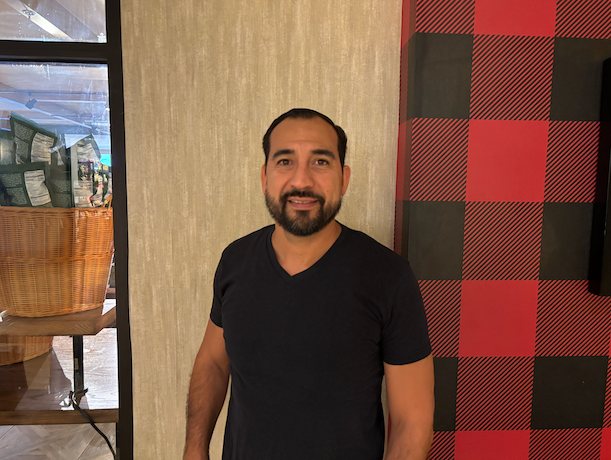
Cesar Avila
Founder, CIO
AVLA
Fort Lauderdale, Fla.
In our company, everybody has agents right there, available to use. We realized that using those, we became more productive. Answers were delivered quicker to the customers. You don’t have to go through the traditional checklist. You can grab an AI agent and talk to it and say, ‘I have this issue, and I already tried all of this, and this is not working. What else am I missing?’ [AI doesn’t give the full] answer, but [it gives] a hint—‘Have you tried this?’ And you’re like, ‘That’s brilliant.’ We’re seeing it changing the way we are answering our customers. The speed that we’re using to answer customers is changing. And the way the techs are using this, it’s speeding up the learning process. We’re seeing it on a daily basis.
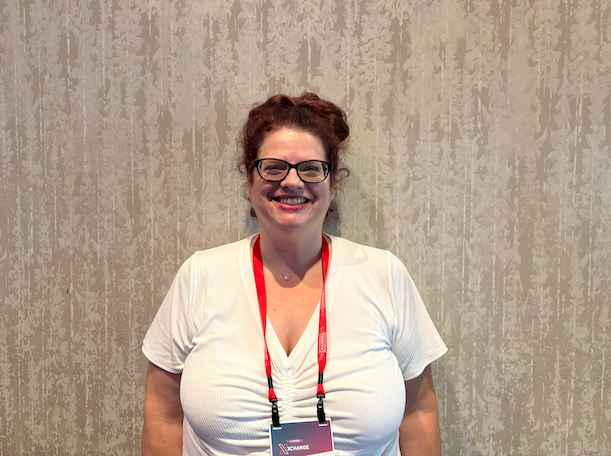
Tiphanie Wood
Alliances, Vendor Manager
MRE Consulting
Houston
At our MSP, we’ve been moving to a different toolset. We’ve moved from ConnectWise to HaloPSA. We’ve implemented Thread, Rewst and Ninja for AI and automation to make everything more streamlined, make it better for our client experience and more user-friendly. So the tools that we use at our company have more AI in them and have all that additional information. And then we can help with deploying AI for our customers as well. But we’re not just saying, ‘Let’s deploy AI for our customers’—we’re doing it ourselves. But it took a while for us, because we did want to put that [preparatory] process in for ourselves before we did it for customers.
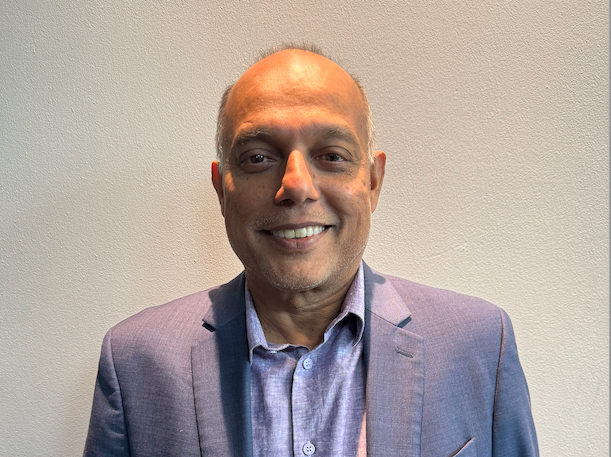
Faisal Ahmed
CEO
Benchmark Network Solutions
Durham, N.C.
It could make things more efficient where I don’t have to hire more people. Maybe I can provide service at a higher level and at a better quality. I may be able to take a response time that is on average an hour down to 30 minutes. That changes the game. That is a big value to my clients. That could mean higher satisfaction, better content and more growth. On the other hand, one of our value propositions is our high-touch model. Our clients trust us. Our clients are our biggest raving fans. They love what we do for them, and you can’t replace that with AI. AI can be a tool to make us better and more efficient, but you cannot lose that human interaction. At the end of the day, we are providing peace of mind for our customers.

Manuel Villa
Founder, President
VIA Technology
San Antonio
When we hire somebody, we hire them based upon the four core values of the company. How is AI going to help me with that? The four core values of the company are: We invest in our people. We give back to the community. We never surrender, and last but not least we always do the right thing. Those four core values are critical for every single one of our employees. We’re going to use AI for the easy stuff, on-boarding and documentation, but it won’t change the hiring process.
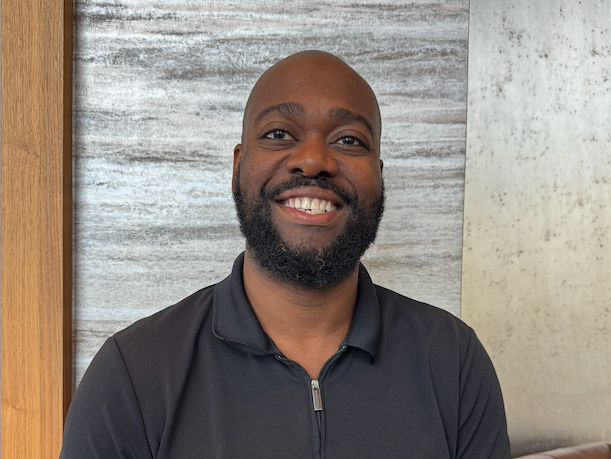
Stanley Louissaint
Founder, Principal
Fluid Designs
Watchung, N.J.
Look at how the MSP model changed break/fix. When the MSP model came out, a lot of people needed more level one technicians than level two or level three technicians. All the people that were level three techs struggled because organizations didn’t need them as much because of the tools that MSPs had in their possession. At that time, you needed more level one techs. AI is going to allow us to focus on bigger issues, which will lead to more level three techs. The miniscule stuff, the administrative stuff, is going to be handled by AI.

Zach Evans
VP, Service Operations
IP Pathways
Columbus, Ohio
From a hiring perspective, we will certainly keep an eye out for folks that have some [AI] experience. But more than anything else I think it will be how we implement AI internally and then how we train around that with our existing staff. A lot of that is bringing our team into this and operationalizing what we do and how we do it and making sure we are using AI intelligently instead of a shotgun approach to AI because I think that can get you into more trouble rather than helping you.
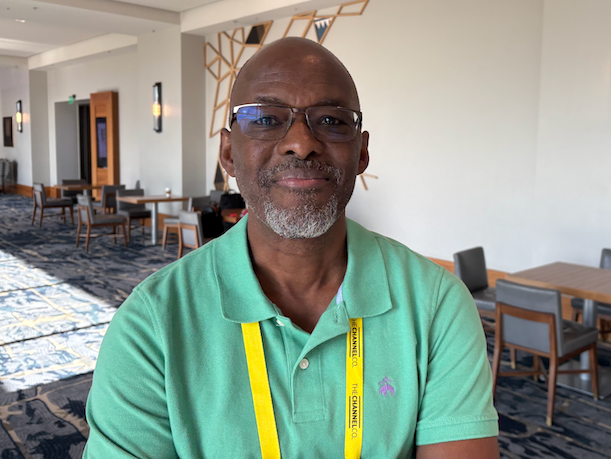
Danny Perry
Managing Partner
ITCubed
Houston
I think it’s going to affect the workforce pretty dramatically. It’s going to impact everything that everyone at every level does, but particularly at the tech level—a lot of the Tier 1 stuff. You already see that being automated, and with AI agents the skills that are going to be required in that role will change. I think that’s the biggest thing, managing these tools that are managing the companies that we serve. AI is going to help us really engage in higher-level tasks and punch above our weight, and that’s happening now.
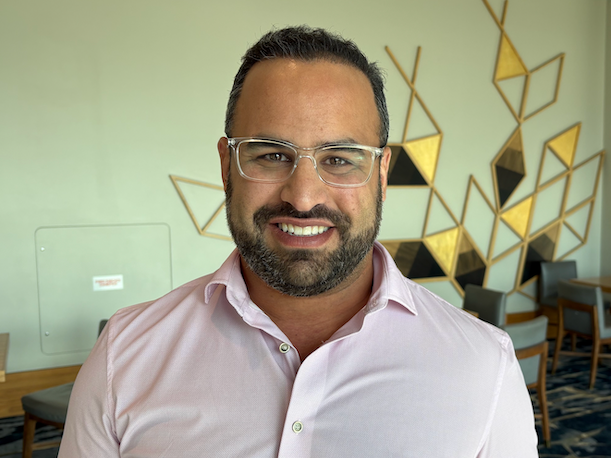
Kevin Damghani
Founder, CEO
ITPartners+
Grand Rapids, Mich.
We’re currently in the final stages of our early AI adoption phase where every role across the company is expected to integrate large language models to enhance their work, making it faster and more effective. Looking ahead, we need skilled individuals who know how to leverage AI to deliver the best outcomes for our partners and the business. And as we experience natural attrition, we’re re-evaluating each role to determine whether it truly needs to be replaced and, if so, what that role should look like now that AI is a core part of our workflow.

Bala Sriraghavan
Co-Founder, CEO
Datanetiix Solutions
Irvine, Calif.
Datanetiix has been working in robotic process automation for last seven years. So AI is not new to us. People are thinking AI is going to ruin their life or get their work. No. Actually, it’s going to benefit them. They’re going to get more additional work or a new dimensional world or new areas to grow. So I think it’s going to help a lot. It’s going to streamline our processes. We build bots for health care or any companies. AI is going to help us organize and streamline the process. We work on HR-based bots for on-boarding or off-boarding. So, for example, if a new engineer is on-boarded, we make sure they understand whatever has happened in last couple of years so the new guy won’t be the new guy. He knows everything.
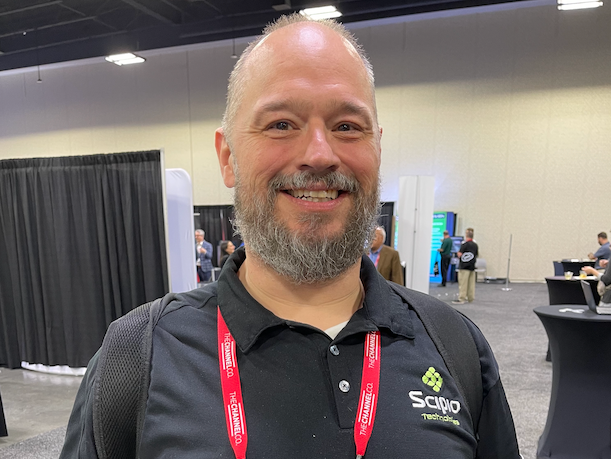
Paul Telesco
Director, Business Development
Scipio Technologies
Chattanooga, Tenn.
I would say AI is going to enable our workforce. I don’t see a decrease in it, for sure. I think it’s going to allow us to get more done with fewer people or take on more clients without as much head count. I think it’s going to make their jobs easier, a little more ‘assisted,’ giving them a little help, a little more insight into what they’re doing.
We haven’t implemented AI yet, but we’re definitely looking at solutions, looking at what AI ConnectWise and our cybersecurity providers are using. But it’s definitely coming, and I think we’re going to benefit from it. I would say some of our employees are already using it, even if they’re not talking about it. They’re talking about what answers they can trust from it, things like that. AI is definitely getting driven up in the company. The people on the ground are seeing the benefits of it. And if you encourage that and say, ‘Hey, what can we do with AI? What are you struggling with? What’s taking a lot of time that you think this would help?’ I think they’re going to say, ‘Hey, we need this.’