BCM One, TD Synnex Partnership Aims To Help MSPs Cash In On Voice, AI Opportunity
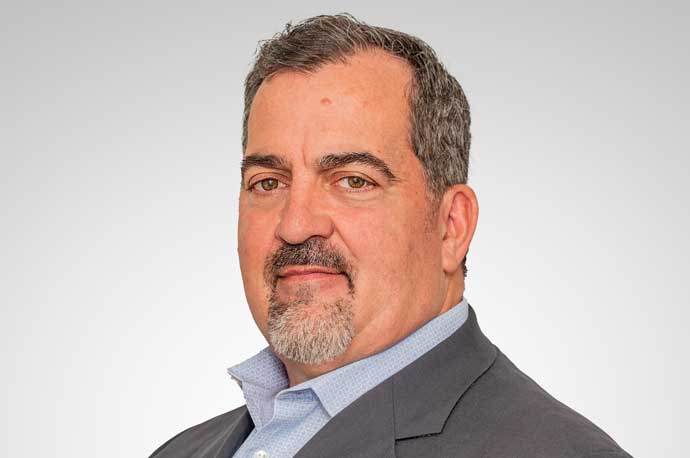
‘We see the trend being [taken advantage of by] more and more MSPs. People who weren’t so voice-centric have recognized the opportunity,’ says Bryan Sheppeck, CRO at BCM One.
A new partnership between BCM One and TD Synnex aims to help MSPs break into telecom and AI-powered communications services without getting buried under the regulatory headaches that have traditionally scared many of them away.
For BCM One and TD Synex partner ITPartners+, that’s the real opportunity, says Kevin Damghani, founder and CEO of the Grand Rapids, Mich.-based comapny.
“I think that having this through TD Synnex will allow MSPs to get access to more VoIP options,” Damghani told CRN. “One of the big blockers that MSPs typically will have with VoIP and go-to- market is taxation and compliance.”
Through the TD Synnex partnership, MSPs can now offer the telecommunications vendor’s Pure IP global voice and network services alongside SkySwitch’s white-label Unified-Communications-as-a-Service platform. The move opens up new avenues to sell communications services under a partner’s own brand while BCM One handles the majority of the telecom compliance and tax complexity behind the scenes.
[Related: TD Synnex CEO On Record Quarter, Seeing ‘Lots Of Tailwinds In The Market’]
And for many MSPs, that challenge has typically been enough to stay out of voice services altogether.
“Taxes are different state to state, county to county, municipality to municipality, and even at the parish level,” Bryan Sheppeck, CRO at New York-based BCM One, told CRN in an interview. “You may, if you cover six or seven states, have hundreds of filings that you have to do every month, every quarter, every year. So that’s been intimidating for folks.”
According to Sheppeck, the partnership is about helping MSPs unlock new recurring revenue streams while positioning themselves closer to customers’ day-to-day operations.
“We see the trend being [taken advantage of by] more and more MSPs,” he said. “People who weren’t so voice-centric have recognized the opportunity.”
That opportunity extends beyond traditional phone systems as Sheppeck said MSPs increasingly want to sit in the middle of customer communications as it creates a pathway into AI-powered automation services.
“Being in the middle of the calls between the pizza shop and the pizza shop’s customers, or the hair salon and the hair salon’s customers, enables them to help that small business manage customer communications using AI tools,” he said.
For TD Synnex, the opportunity reflects what partners have been requesting as MSPs evolve from infrastructure providers into broader technology advisers.
“If I say ‘voice’ to some MSPs today, they’re like, ‘Absolutely not. Not touching it,’” Marcie Stout, vice president of Google Cloud marketplaces and ISV alliances at TD Synnex, told CRN in an interview.
But customers want integrated solutions from a single trusted provider, according to Stout. “They were really looking to build out the voice side of the house because a lot of them stayed away from that because of the complexities,” she said.
The Fremont, Calif.-based distributor plans to focus on enablement over the next year, helping MSPs understand pricing, sales motions and how to package telecom into broader AI and cloud conversations.
“This is going to take the first few months of really getting our resellers on-boarded, making sure they’re trained,” she said. “[And we’re] helping them build out their strategic routes to market too.”
She added that AI is forcing partners to rethink their identities altogether.
“It’s pushing everybody into a different mindset,” she said. “Not, ‘Hey, I’m a hardware reseller. I’m a voice reseller.’ It’s everybody looking at it from, ‘I need to be a solution aggregator.’”
Damghani said BCM One has already demonstrated value where many MSPs struggle most. “They’ve been a good partner in helping with our taxation and compliance as it relates to VoIP,” he said.
For BCM One, the broader goal is to give MSPs a way into telecom and AI-enabled communications without forcing them to become telecom experts first.
“They don’t have to walk past that voice opportunity anymore,” Sheppeck said.