Here Are What 20 MSP 500 Executives See As The Biggest Challenges To Their Business In 2026
As part of the CRN MSP 500 project, we asked top MSP executives to tell us what they see as the biggest challenges to their managed services businesses this year. From finding and hiring IT talent and dealing with economic uncertainty to helping clients adopt AI and protect them from ever-more sophisticated cyberthreats, here’s what 20 MSP execs said is keeping them awake at night.
Uncertain Times
Managed service providers entered 2026 facing a number of challenges. Some of these are relatively new, including helping clients adopt AI tech while tempering their expectations about what AI can do. Others are perennial challenges such as finding and hiring employees with the skills needed MSPs need to remain competitive in the rapidly evolving IT landscape.
As part of the CRN 2026 MSP 500, we asked top managed service provider executives to tell us what they expect to be the biggest challenges to their managed services business this year. The responses to the emerging technology opportunity question from all MSPs on the list can be found as part of the MSP 500 profiles.
Many of the MSP executives on this year’s list cited AI as a major opportunity in 2026. But many also see AI as generating a whole host of new challenges, including the need to hire IT workers with AI skills, to developing comprehensive AI solutions and services, to keeping in check clients’ expectations about AI’s benefits amid huge industry hype.
“Customers often expect AI to be magical: effortless, cheap, and DIY-ready,” said Faisal Bhutto, president and CEO of Alykas Tech, a Houston-based MSP and IT consultant. “They overlook the significant investment required to build real agentic solutions, leading to unrealistic expectations driven by market hype.”
A number of MSP executives cited economic and geopolitical uncertainty, inflation and supply chain issues as concerns. Some worried about ongoing consolidation in the MSP industry while others noted that low-cost/low-value service providers—many with private equity backing—are putting pressure on profit margins even as MSPs try to maintain a high level of service. Many pointed to the growing number, variety and complexity of cyberthreats as a challenge.
The following is a sampling of responses from 20 MSP executives to the question: What do you expect to be the biggest challenge to your managed services business for 2025? The responses have been lightly edited for clarity.
Abacus Group
Anthony D’Ambrosi
CEO
As providers, we have to balance client budgets with shifts in cybersecurity best practices, and insurance and compliance requirements. Clients sometimes think that after they make the initial investment in security, they’re set. As their partner, we have to teach clients security is a road they must continuously journey.
AllCloud
Eran Gil
CEO
Price sensitivity will remain a challenge as we move into 2026. Many organizations, especially in tech, are feeling pressure to do more with less and may still be impacted from slower growth over the last two years.
Alykas Tech
Faisal Bhutto
President and CEO
Customers often expect AI to be magical: effortless, cheap, and DIY-ready. They overlook the significant investment required to build real agentic solutions, leading to unrealistic expectations driven by market hype.
AVI-SPL
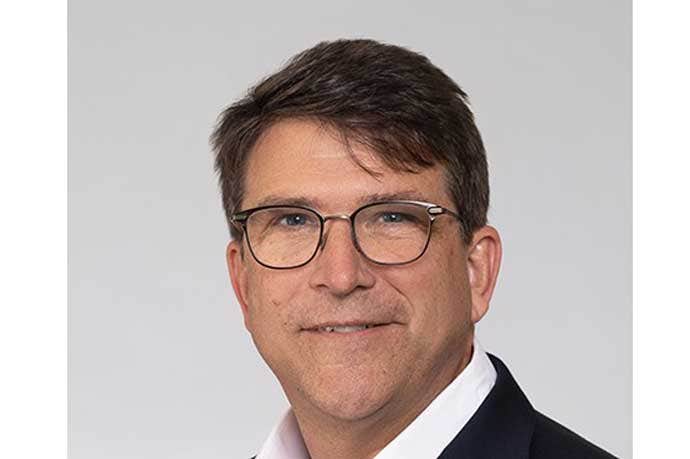
John Zettel
CEO
The demand for skilled talent continues to grow as the market expands and technology evolves. The pace of change, supply chain pressures, and higher customer expectations are also real challenges in our industry.
Cetrom
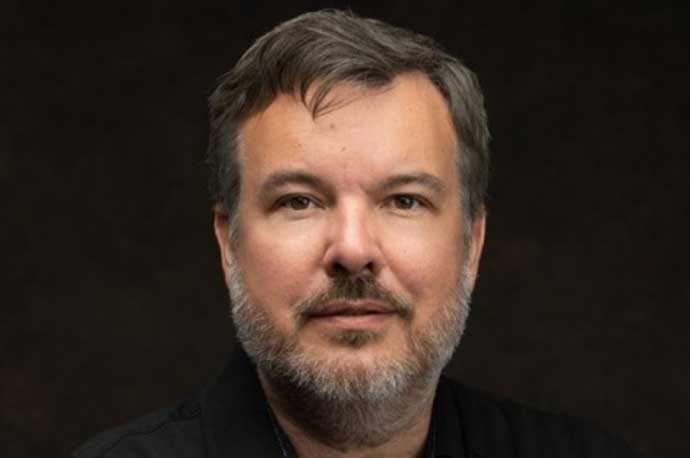
Christopher Stark
CEO
The rapid pace of technological change, including advancements in artificial intelligence, automation, and cloud infrastructure demands continuous adaptation. That’s why Cetrom has made investments in research and development to continue to drive innovation that helps firms modernize their tech stack.
Dataprise
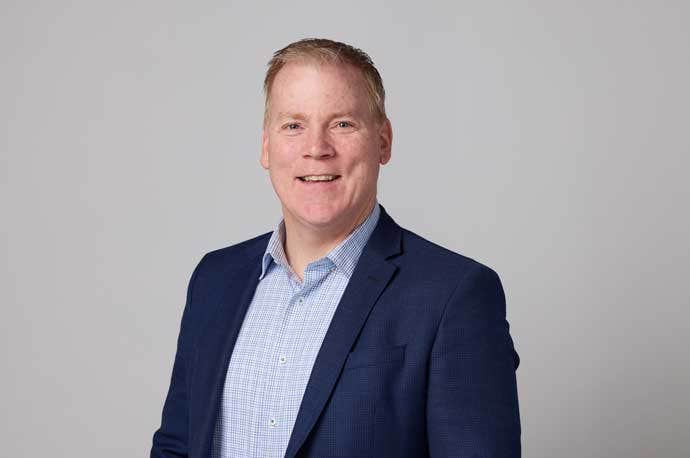
William Flannery
CEO
The economic landscape in 2026 will impact many businesses and their growth choices. Trends from reputable surveyors show that IT spending will rise, but organizations will have to closely and delicately evaluate where they further optimize their IT to ensure their organizational needs are met.
Far Out Solutions
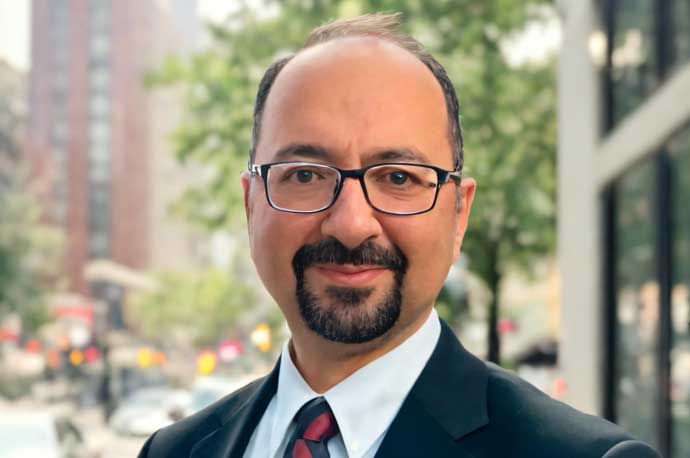
Zaid AlChalabi
COO
The biggest challenge will be navigating shifting market conditions, especially as businesses tighten budgets and evaluate vendors more aggressively. Staying ahead means proving value quickly, strengthening our security posture, and helping clients adopt AI without disruption. The MSPs that adapt fastest will win.
Ihloom
Garrett Brown
Founder and President
Continuing to vet new vendors and to ensure that our tech stack has the best offerings for our client base.

Imperium Data
Nicholas Scarsella
CEO
The biggest challenge for our managed services business in 2026 will be hiring the right talent to expand our hours of operation to 24x7x365. This is critical to growing our NOC [Network Operating Center] services capabilities and meeting the increasing demand for continuous, reliable support from our customers.
Infinite IT
Joe Ussia
CEO
The biggest challenge will be competing for shrinking IT budgets as companies tighten spending due to rising costs and inflation. Demonstrating clear ROI and differentiating value will be critical to winning business in a market where cost control dominates decision-making.
Kosh Solutions
Travis Alsup
CEO
Our biggest headwind is crafting a CMMC [Cybersecurity Maturity Model Certification] offering to capture an emerging opportunity. This is a challenge not only technically but requires a major shift in organization maturity. All the while continually delivering superior customer service.
NetGain Technologies
Hank Dallam
CEO
The biggest challenge is cybersecurity and AI—helping clients adopt and use AI safely and combating new cyber threats born from AI. While AI tools accelerate productivity, they introduce new risks. Balancing rapid innovation with governance, compliance, and security is essential to protect clients without slowing momentum.

Network Management Group
Jason Korb
Co-President/CEO
Migration of on-premise [IT] to cloud and other hosted technologies. Also, the fallout from the Broadcom/VMWare decisions.
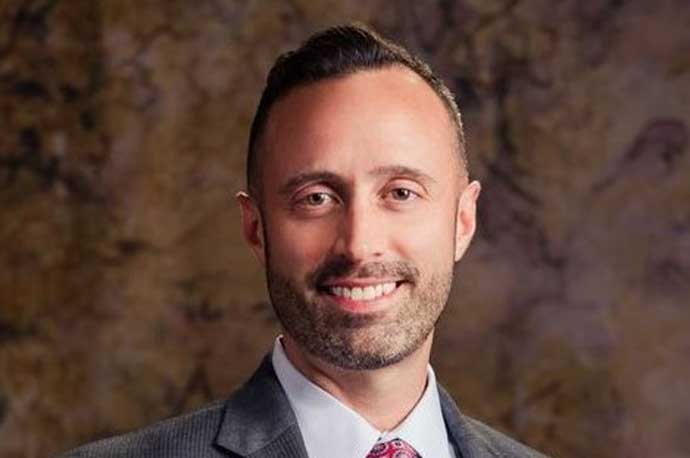
Pearl Technology
Anthony Mini
President and CISO
Hybrid cloud and helping organizations understand how to best plan and position their enterprise architecture based on capex, opex, security, and future proofing.
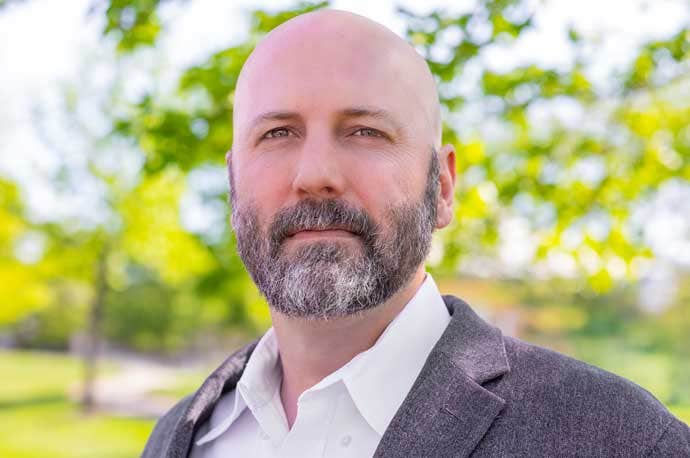
Single Point Global
Gregory Browning
CEO
Our biggest challenge continues to be competing with PE-backed [private equity] companies. Their quotes continue to drive down the market because they can use their numbers and scale to reach lower pricing per seat while maintaining their gross margin targets.
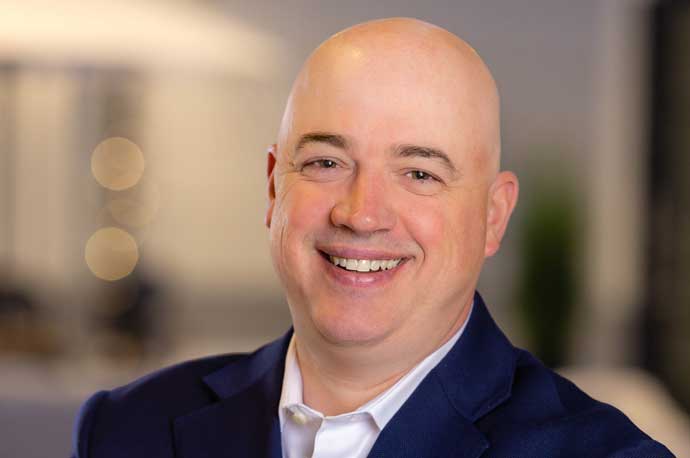
Sourcepass
Matthew Brown
President
Our biggest challenge in 2026 will be navigating the commoditization of Microsoft services while managing rising AI-security demands and margin pressure. This will require a continued shift toward higher-value, higher-margin offerings, particularly in NOC, SOC, advanced security, and AI-enabled services.
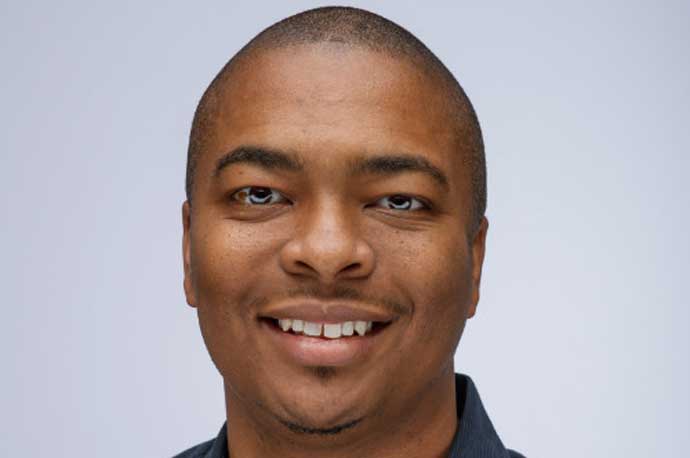
Storied
Harvey Green
CEO
The biggest challenge will be keeping up with demand as more customers replace VMware and look for long-term platform operations. Hiring senior engineers with EUC [end-user computing], cloud, and identity experience will be competitive, and scaling without lowering quality will be the main pressure on the managed services side.
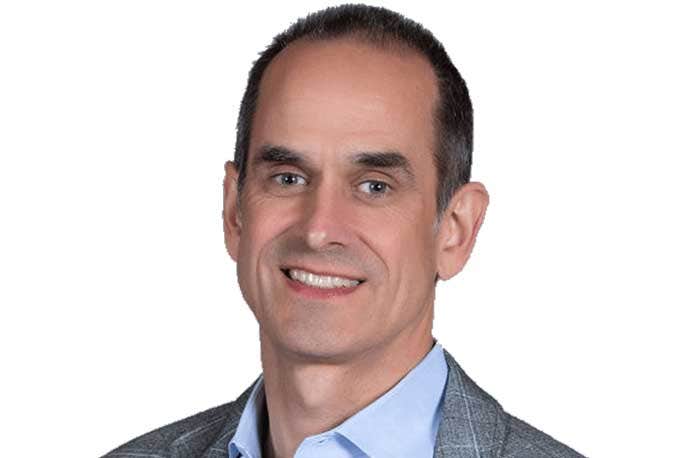
Synoptek
Stephen Currie
Senior Vice President, Managed Services
Our biggest challenge in 2026 will be maximizing ROI from AI and automation investments. As adoption accelerates, ensuring effective integration, change management, and measurable value realization will be critical to maintaining service quality, managing costs, and achieving the full benefits of AI-enabled managed services.
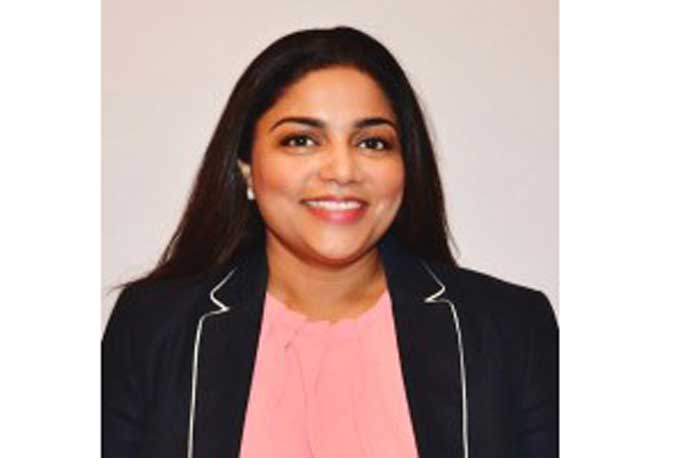
SystemDomain
Shubhi Garg
CEO
AI-driven automation as a baseline, not a premium.
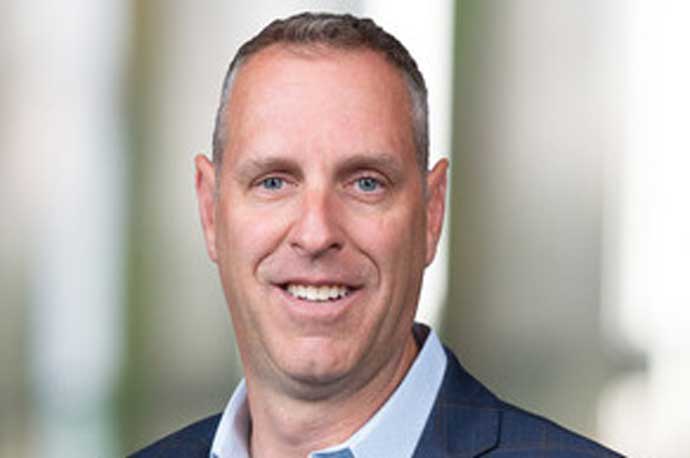
Vertilocity
Bruce Nelson
President
The biggest challenge will be ongoing M&A activity and consolidation within the MSP and vendor ecosystem, which may impact partner stability, pricing, and competitive dynamics. Vertilocity will mitigate this risk through strong vendor relationships, operational agility, and continued investment in differentiated services.