Here’s What 20 Channel Chiefs See As The Biggest Challenges Facing Partners In 2026
Channel executives on the CRN 2026 Channel Chiefs list were asked what they see as the biggest challenges channel partners face this year. Here’s what 20 channel chiefs had to say.
Channel Challenges Ahead
As businesses and organizations wrestle with how to implement and utilize AI technology for competitive gain and ROI, many are relying on their solution providers and strategic service providers for guidance. That means in 2026 the channel must be at the top of its game in terms of developing AI skills and expertise.
The IT industry also enters 2026 with a boatload of economic and geopolitical uncertainty. Throw in the always-present hurdles of keeping pace with the rapidly shifting IT landscape (including vendor consolidation and the emergence of new technologies) combined with the Sisyphean task of hiring and retaining skilled employees, and the new year is proving to be as challenging as any other for the channel.
As part of the CRN 2026 Channel Chiefs project, we asked the more than 500 channel executives that made the list to tell us what they see as the biggest challenges facing their channel partners this year. Here’s what 20 had to say.
The following responses are taken directly from the 2026 Channel Chief applications and have been lightly edited for clarity.
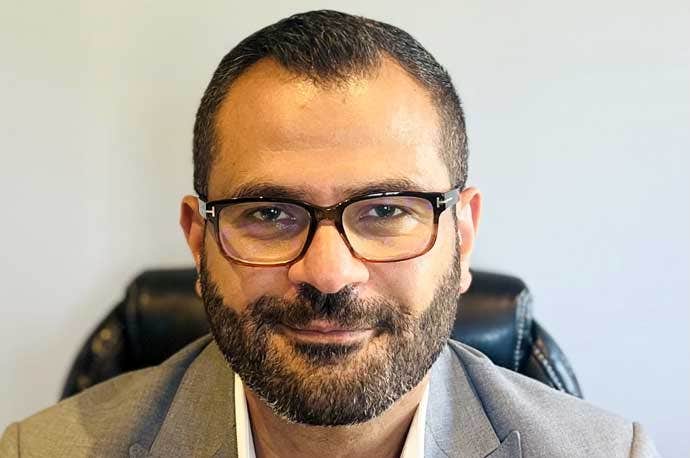
11:11 Systems
Moosa Matariyeh
VP, Global Channels
It continues to be the distractions of the shiny new object, which again this year is AI. While AI is a game-changing advancement, it often distracts from crucial discussions about risk mitigation and operational improvements. With limited time with their clients and the amount of investment being made in AI, it tends to draw attention away from conversations about risk mitigation and operational improvements that should be made as they are important conversations that drive long-term success.
Axelera AI
Alexis Crowell
Chief Marketing Officer, General Manager, Americas
Many organizations are still in the experimental stage when it comes to AI. They face challenges converting POC [proof of concept] AI projects into wide-scale deployments, particularly at the edge. Across key verticals like retail, healthcare, manufacturing and security, customers need solution providers who can deliver an integrated, end-to-end AI stack. The biggest challenge for our partners will be in helping their customers scale AI projects at a reasonable cost and with the kind of performance that delivers real business value.

Barracuda Networks
Michelle Hodges
SVP, Global Channels, Alliances
Channel partners today face the complexity and rapid evolution of managed services, with many partners struggling to meet diverse customer needs, new market routes, and the demand for integrated solutions over siloed products. Many lack strong marketing skills and scalable demand generation, putting them at a disadvantage in a crowded market.
One of the ways Barracuda is helping partners overcome these challenges is by making partner prtograms more “fit for purpose.” This approach entails customizing our programs to accommodate various partner types, including MSPs, system integrators, and emerging cloud providers, instead of relying on “one size fits all” models.
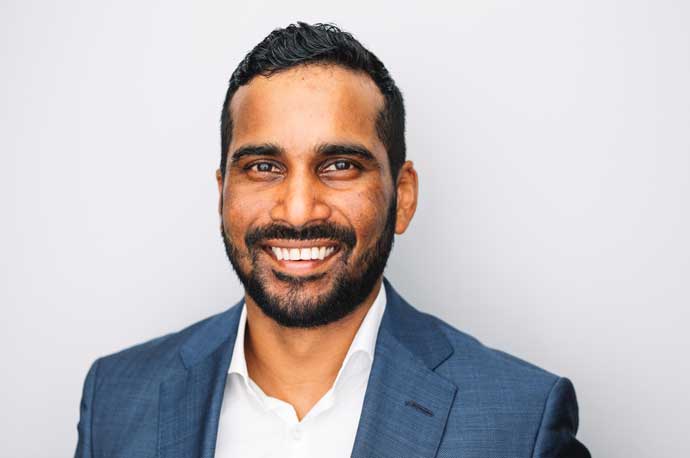
Ciena
Gian de Silva
Sr. Director, Americas Partners
In 2026, partners will experience continued macro uncertainty and supply dynamics. They will face increasing pressure to evolve their capabilities around AI-driven solutions and adapt to shifting GTM models. These models will increasingly emphasize co-opetition (competition and cooperation) and personalized customer experiences. Standing out in a crowded market will require strategic foresight and innovation.
We’re here to support our partners through collaborative GTM programs, data-driven decision tools, and thought leadership that helps them anticipate change and act with confidence. Strong communication will be critical. It is a top priority as we jointly navigate the dynamics ahead.

Cloudera
Michelle Hoover
SVP, Global Alliances, Channels
Going into 2026, the ever-evolving landscape of AI adoption and data management will present a challenge and opportunity for Cloudera’s channel partners. As organizations increasingly modernize and migrate to hybrid and multi-cloud environments, partners will need to adapt to a rapidly changing infrastructure and support customers navigating complex data architectures.
Furthermore, as enterprises struggle to scale AI initiatives and modernize their data warehouses, partners may face obstacles in optimizing solutions for big data at scale while overcoming the limitations of traditional point solutions. To keep up, partners must adopt more comprehensive, integrated approaches to data analytics.

D&H Distributing
Anthony Graziano
SVP, Marketing
In 2026, partners will face challenges integrating AI, meeting rising customer expectations, and shifting to services-led models. Many will need help moving from transactional sales to outcome-based solutions. D&H will support them through programs like Go Big AI, lifecycle management tools, and expanded services enablement. We’ll offer expert-led training, strategic guidance, and curated resources to drive recurring revenue and business outcomes. To further accelerate transformation, our new Experience Centers provide immersive environments where partners can explore advanced technologies, gain hands-on training, and build confidence in delivering modern IT strategies.

Five9
Jennifer Kuipers
RVP, Channel Sales
The biggest challenge facing our partners in 2025 would be overcoming the procrastination of IT buyers to invest in cloud-based solutions, which means our partners and Five9 will need to work together to build compelling reasons for customers to make the move. The good news is, I am 100-percent confident we have a plan for that. Five9 is committed to helping our partners overcome this obstacle with a determined and dedicated partner account team, consistently refreshed content in the Five9 Partner Portal, and a strong position as thought leaders in the market.

HPE
Jeremiah Jenson
VP, North America Channel, Partner Ecosystem
Partners will be challenged to maintain a balance between driving current revenue growth and evolving their business model as they navigate AI adoption. Developing new skills and capabilities will be critical for partners to develop specialized expertise, distinguish themselves from the competition, and take their business to the next level of maturity. HPE is providing comprehensive training and enablement for partners to turbocharge their AI adoption and transform innovation into value.

Judy Security
Brian Stoner
SVP, Growth
In 2026, the biggest challenge partners will face is breaking free from outdated approaches: selling point products, relying on pricing gimmicks, or operating without a true SOC or MDR team behind them. These models will not sustain success in a world where compliance mandates are extending directly to MSPs and their customers. Partners who fail to adapt will struggle to compete. At Judy, we will help partners overcome these challenges by leading with compliance, enabling OpenXDR-driven solutions, and backing them with our SOC and MDR expertise to drive trust, differentiation, and long-term success.

Lenovo
Pascal Bourguet
COO, Chief Sales Strategy, Channels Officer, International Markets
In 2026, partners will face a critical challenge: The pace of AI innovation will outstrip workforce adoption. Building robust service capabilities to support AI and emerging technologies will require sustained investment and strategic alignment. We’ll work closely with partners to map capabilities and co-create pathways for customer success. A key shift will be educating sales teams on outcome-based selling, moving beyond transactional approaches to capture AI-driven opportunities.
These challenges mirror Lenovo’s own transformation journey—emphasizing readiness, enablement, and training. By prioritizing sales enablement and collaborative planning, we’ll help partners navigate complexity and thrive in an evolving, AI-powered market

Logitech
Jennifer Jakubowicz
Head of Global Channel Marketing
As competition intensifies and buyer expectations evolve, partners will continue to face margin pressure in 2026. Success will depend on their ability to differentiate through value, expanding into services, managed offerings, and/or vertical specializations to enhance customer outcomes. We will support partners by investing in training, enablement and go-to-market resources that will help them strengthen their expertise, deliver complete solutions, and capture recurring revenue opportunities that extend well beyond the initial sale.

MongoDB
Oliver Zieleniecki
Global VP, Worldwide Partners
In 2026, partners will face increasing pressure to help customers modernize legacy systems and operationalize AI at scale while managing cost, complexity, and governance. Many organizations are still constrained by outdated infrastructure and fragmented tech stacks that slow innovation. The focus must be on delivering flexibility and trusted expertise—helping customers future-proof the stack, unify their data, and deploy AI responsibly.
By investing in the right ecosystem collaborations, partners can guide customers through digital transformation more effectively, delivering secure, future-ready solutions—including AI applications—that deliver long-term business value across industries.

Nile Global
Vivek Khemani
VP, Worldwide Channels
Partners will face several pivotal challenges in the coming year requiring them to rethink their value equation. One of the most significant will be navigating the evolving AI landscape, determining when to embrace AI-driven automation versus relying on manual, home-grown processes, especially in professional services delivery. Another key challenge lies in moving beyond traditional product sales to deliver measurable business outcomes that truly differentiate their value. Nile can help partners address both by providing a modern, outcome-oriented platform and a partner model that empowers them to lead with innovation, drive efficiency, and strengthen their strategic relevance with customers.

Nozomi Networks
Julie Rosenberg
Head of Global Partner Programs
Heading into 2026, we’ll continue to feel the headwinds created by the current macro environment and geo-political instability. Additionally, the OT [operational technology] market is still on the path to maturity, marked by many conversations with key customer stakeholders and budget owners who are still trying to identify their risk. Partners are also highly dependent on technical resources to be successful—especially in cybersecurity. These resources are in high demand, so partners need to find creative ways to retain their technical talent.

Qlik
Peter Kwisthout
VP, Global Channels
Our partners have some of the deepest industry (vertical) and systems (horizontal) expertise in the industry. Surfacing that expertise to our prospects and clients, with our sellers and tech alliance partners, is difficult in a noisy space. This is complicated by mergers, consolidations and other industry noise. Working better together, leveraging our relationships in the ecosystem and helping partners build marketplace and co-selling acumen will drive high-quality platform adoption and growth.

Red Hat
Kevin Kennedy
VP, Global Partner Ecosystem
The biggest challenge facing partners in 2026 is the rise of multi-partner engagements. Analysts report that the average technology sale today involves up to seven partners. This trend is particularly pronounced in high-growth areas like virtualization, automation and AI, which are central to our future growth. To address this, we will be increasingly leveraging our distribution partners’ ability to act as an aggregator while also improving our partner program to reward multi-partner engagements.

Sage
Gretchen O’Hara
EVP, Worldwide Partners, Business Development
In 2026, partners’ biggest challenges will be sustaining growth amid evolving customer expectations, rapid AI advancement, and economic uncertainty. The competition for talent—especially in AI and industry specialization—will intensify, testing partners’ ability to innovate and scale. Sage is committed to helping partners overcome these hurdles through targeted enablement, advanced AI solutions, and a collaborative ecosystem. By investing in skills, deepening specialization, and co-innovating with Sage, partners can turn these challenges into opportunities, driving greater customer value, competitive differentiation, and sustainable long-term growth in a fast-changing market.

Skyhawk Security
Jennifer Duman
Channel Director
The most consistent challenge in recent years is the number of cybersecurity vendors and where they all “fit.” There are so many emerging vendors creating new categories, it’s overwhelming to the partner ecosystem. Add to that the fragmentation of IT and security spend across more vendors than ever before, and it’s up to us to deliver clear messaging to break through the noise.

Tanium
Mark Miller
VP, Global Strategic Partners
Our most strategic partners are being challenged by customers not interested in large, outcomes-based consulting engagements and wanting to take on much of the managed services in-house. They are also challenged by more traditional resellers to improve their services capabilities. Tanium can help them by providing insight into specialized services around software rationalization, regulatory compliance, and newly emerging IT concerns around post quantum cryptography that will differentiate them from traditional service revenue streams.

Tenable
Jeff Brooks
SVP, Channels, Alliances
1: AWS Marketplace, which naturally competes with distributors and many partners in certain geos. We have a process to always insert a CPPO [certified public procurement Officer] in all AWS transactions. 2: The buy-direct/DOGE movement in the US Federal Government space, which is also looking to cut out the channel or greatly reduce its margins. Likewise, we have a no-exception process where we always insert a partner. 3: Getting more discrete marketing budget for the channel, particularly for the GSIs.