N-able’s David Weeks Talks EMEA Roadshows, Monetizing AI And Compliance As A Service
‘What’s interesting is that compliance naturally feeds the rest of the business. When you start doing compliance assessments, you uncover gaps. Those gaps turn into requirements and those requirements need solutions. So it actually drives additional revenue back into the MSP,’ says N-able channel chief David Weeks.
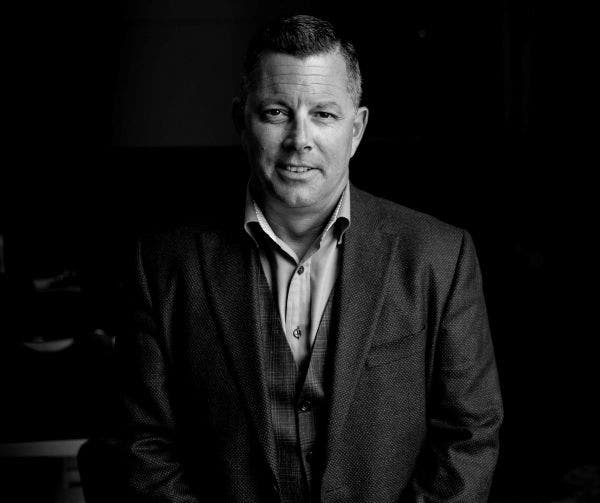
N-able is rethinking how it shows up for MSPs, and in 2026 that means hitting the road.
Instead of anchoring its partner engagement strategy around a single flagship event in Europe, the Burlington, Mass.-based vendor is taking a more distributed, hands-on approach bringing its messaging, training and leadership directly to MSPs through roadshows across the EMEA (Europe, the Middle East and Africa) region.
“Partners have been pretty clear: they want us to meet them where they are,” David Weeks, vice president of enterprise at N-able, told CRN. “So instead of expecting them to come to us, we go to them.”
Weeks, who is a longtime CRN channel chief, leads customer acquisition and customer growth across North America. He is now based in London where he oversees the same business unit across the U.K. and EMEA regions.
The shift in strategy, he said, reflects the recognition that MSPs are navigating an increasingly complex landscape with AI and compliance requirements.
On the ground, that means a deeper emphasis on technical depth and real-world application. Sessions will be designed to help engineers and technicians “really get the most out of the tools,” while also giving space for peer collaboration. “No single person has all the answers,” he said. “The answer is in the room.”
“The biggest question I get isn’t about building AI, it’s about monetizing it,” he said.
By meeting partners in their own markets, N-able plans to better address regional nuances while also forming closer connections.
“We’re seeing more MSPs expand globally, moving across regions and entering new markets,” Weeks said. “That’s really changing the dynamics of the industry.”
CRN spoke further with Weeks about the shift to regional events, the challenge of monetizing AI and why compliance could become the next major revenue engine for the IT channel.
N-able is shifting strategy, moving away from one large EMEA event to more regional roadshows. Why make that change?
It’s really about bringing Empower on the road, taking it out to a wider base. Partners have been pretty clear: they want us to meet them where they are, and this model actually lets us do that. We can still deliver the same message globally, still bring all the Empower news, but do it regionally. So instead of expecting them to come to us, we go to them.
It’s going to feel very familiar if you’ve been to Empower. You’ll hear the strategy, the roadmap…that all carries over. But we’re also layering in more hands-on elements. We’re doing technical training sessions, making sure engineers and technicians are really getting the most out of the tools. And then, of course, bringing the broader message about what’s changing in the market, where we’re headed and how partners can take advantage of that.
Are partners’ needs different depending on the region?
Yes and no. The core challenges are similar, but the context changes. A lot of it comes down to macro and microeconomic factors, and then regulatory environments. For example, in the U.K. there’s the major Cyber Security and Resilience Bill coming later this year that directly impacts MSPs. That’s not something we’re seeing everywhere else.
Historically, the MSP industry has been largely self-regulated—and honestly, it’s done a great job. But now we’re seeing more external involvement. And that’s going to change how MSPs sell, how they operate and what they bring to customers. It’s definitely reshaping the landscape.
What are U.K. partners saying specifically about AI and regulation?
It’s actually very similar to what we’re hearing here in North America. Everyone’s still figuring it out, we’re kind of in test mode. You’ve got some partners who are very advanced, with full AI practices already built out. But a large portion are still trying to get their arms around it.
And the biggest question I get isn’t about building AI, it’s about monetizing it. Most of them already have someone on the team who can develop something. The real challenge is how do you productize that?
So how are some of those MSPs making money from AI today?
Right now, a lot of it is through professional services: consulting, implementation, building workflows. Then over time, those capabilities get rolled into recurring revenue contracts. But the bigger question is where billing models go from here. Today, we’re still largely using traditional managed services pricing. But does that evolve into more of a utility-based model for AI? That’s still to be determined.
And then what are the biggest pain points for North American partners right now?
One of the biggest is expanding into larger addressable markets…finding new growth opportunities. But across the board, whether it’s North America or elsewhere, two themes keep coming up: AI and cyber resiliency.
There’s a constant question MSPs are asking themselves: ‘Am I doing enough for my customers on the security side? Is there something I’m missing?’ And that question doesn’t depend on size…small providers and large ones are all asking it.
So how is N-able helping partners navigate those concerns?
It really comes down to education and support. Wherever there’s concern, there’s opportunity. Our job is to help partners identify that opportunity, figure out how to build it into their practice and then monetize it effectively. That’s where things like the roadshows come in with strategy sessions, technical training and collaboration. Because honestly, no single person has all the answers. The answer is in the room. When partners come together and share what’s working, that’s when things really start to click.
What are your top priorities for the year ahead?
A big one is leveling up MSPs around compliance, specifically compliance as a service and GRC (governance, risk, and compliance). There’s a massive opportunity there, and not enough MSPs are taking advantage of it yet. But they’re going to be pulled into it, whether they’re ready or not, and a lot of that pressure will come from the insurance industry.
So the focus is helping partners build that capability, whether that means developing it internally or bringing in the right expertise. What’s interesting is that compliance naturally feeds the rest of the business. When you start doing compliance assessments, you uncover gaps. Those gaps turn into requirements and those requirements need solutions. So it actually drives additional revenue back into the MSP.
We’re even seeing partners introduce things like fractional compliance officers for their customers, similar to how fractional CIOs became popular. It’s a whole new layer of service.
How should MSPs be talking to customers about compliance?
It’s about starting the conversation early. You don’t want to wait until a regulation is enforced and then scramble to respond. By that point, you’re already behind and someone else is probably knocking on your customer’s door.
The best approach is to prepare customers now. Help them understand what’s coming, what it means and how to get ahead of it.
Beyond AI and compliance, what trends are you watching right now?
M&A activity is picking up, and that’s always interesting. We’re seeing more MSPs expand globally, moving across regions and entering new markets. That’s really changing the dynamics of the industry. And it’s not just traditional acquisitions anymore. Yeah, MSPs are still buying other MSPs, but we’re also seeing more strategic acquisitions: AI firms, GRC specialists…bringing those capabilities in-house.
What do you think is driving that global expansion?
A mix of strategy and economics. In some cases, currency differences are actually driving decisions. For example, MSPs in South Africa may look to acquire in the U.K. or the U.S. to benefit from stronger currencies like the pound or the dollar. So it’s not just about growth, it’s also about financial positioning.
When it comes to AI, where do you want partners to be 12 months from now?
I want them to have clear frameworks in place, both for AI and for governance. Those two areas are going to go hand in hand. And once you have that structure, it becomes much easier to monetize everything we’ve been talking about. That’s really the goal, helping partners move from experimentation to structured, repeatable, revenue-generating practices.