13 Major Intel Executive Hires, Exits And Other Moves Under Lip-Bu Tan
CRN rounds up 13 big executive moves within Intel that show the significant mark CEO Lip-Bu Tan has already left on the semiconductor giant within the first six months of his tenure.
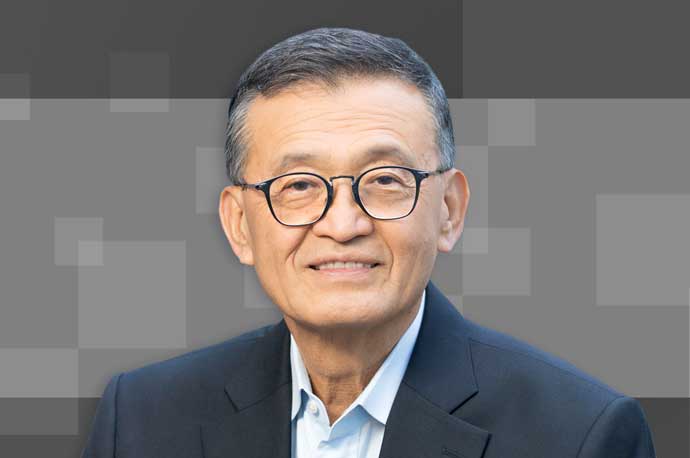
For the six months that Lip-Bu Tan has been Intel’s CEO, the semiconductor giant has seen significant changes to its executive leadership team and other top positions.
Making big changes to Intel’s executive team structure was one of Tan’s early priorities, which coincided with some departures earlier in the year, such as former CTO Greg Lavender and former Chief People Officer Christy Pambianchi.
[Related: Exclusive: Intel Is Losing Its Second Xeon Chief Architect This Year]
But the CEO has continued to make his mark on the chipmaker from a personnel perspective since then, whether it’s the 15 percent cut he made to Intel’s workforce over the summer or the new executives he has brought in from the outside to lead design efforts for custom chips, AI accelerator chips and server CPUs.
As Tan brought in fresh executive talent and promoted some officials from within, he lost a long-time leader, Michelle Johnston Holthaus, as well as a few others.
The result is an executive leadership team that has a mix of old and new faces, looking different but not entirely so from that of former Intel CEO Pat Gelsinger. Key holdovers include Intel CFO David Zinsner, Network and Edge Group leader Sachin Katti, Chief Legal Officer April Miller Boise and Intel Foundry leader Naga Chandrasekaran.
What follows are 13 big Intel executive hires, exits and other moves that happened under Tan’s leadership over the past six months in chronological order by departure or announcement.
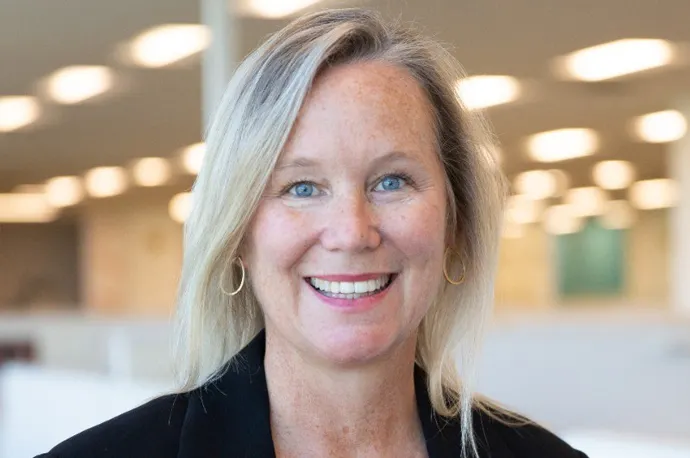
Christy Pambianchi
Intel Chief People Officer Pambianchi left the chipmaker in late April to take the top human resources job at construction giant Caterpillar.
Tan informed employees about Pambianchi’s departure at the beginning of the month. Later in the month, the CEO announced Victoria Holroyd-Fogg, vice president of human resources in the company’s products group, as Intel’s interim chief people officer.
Caterpillar, based in Irving, Texas, announced in a press release that Pambianchi would become its chief human resources officer on May 1.
An Intel spokesperson told CRN in a statement that the company is “grateful for Christy’s dedicated service and contributions to Intel,” wishing her “continued success.”
Tan, who started as Intel’s CEO in March, wrote that he has “known Christy for several years,” having “worked together often during my time as an Intel board member, as well as through my service on the Intel Foundry advisory board.”
“Every step of the way, I have viewed Christy as a trusted adviser who cares deeply about our business and our people,” he wrote.
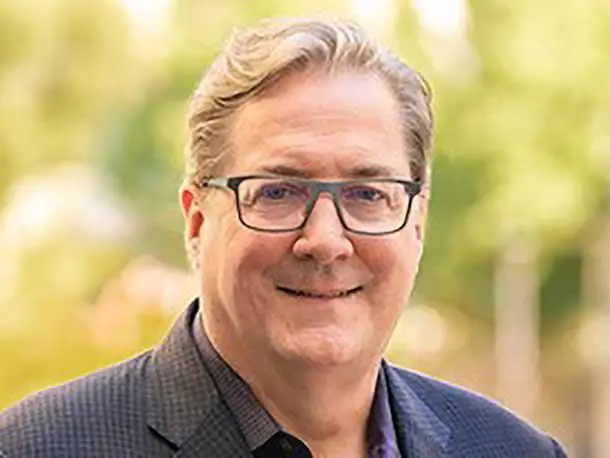
Greg Lavender
Tan said in mid-April that CTO Lavender was retiring after giving business leader Sachin Katti the new role of chief technology and AI officer.
Lavender, who left the company in June, was hired by Gelsinger in 2021 to serve as CTO and leader of a newly formed group that was known as the Software and Advanced Technology Group, which included Intel Labs and several software divisions.
During his tenure, Lavender oversaw Intel’s revitalized campaign to convince software developers to embrace the company as their silicon platform of choice. He also led Intel’s software commercialization efforts, which have been pared back in the past year.
Prior to joining Intel, Lavender was VMware’s CTO when Gelsinger led the virtualization giant as CEO. He previously served in CTO and engineering leadership roles at Citi, Cisco Systems and Sun Microsystems.
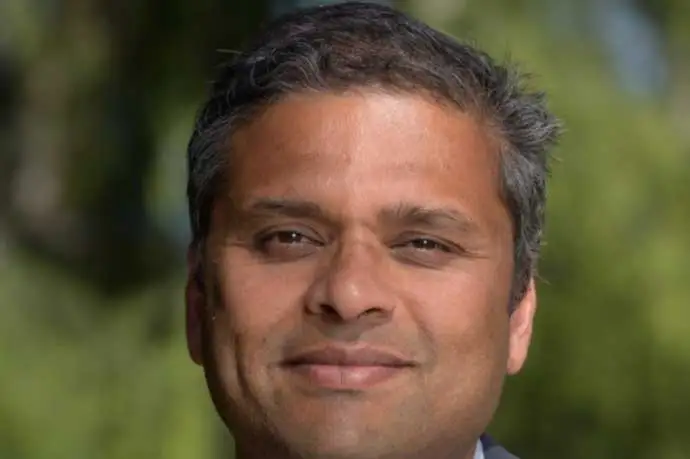
Sachin Katti
In mid-April, Intel gave the company’s networking business leader, Katti, the additional role of chief technology and AI officer.
The new title put Katti in charge of Intel’s “overall AI strategy and AI product road map as well as Intel Labs and our relationships with the startup and developer ecosystems,” Tan said in a memo to employees at the time.
Tan made the changes in his bid to turn around Intel, which, among other things, has failed to find traction in the data center accelerator chip space dominated by Nvidia—whose annual revenue has surpassed Intel for the past two years—and is facing a growing number of competitive threats in the CPU market for data centers and PCs.
In a separate memo to employees, Katti said he will “lead the strategy, definition and execution for our data center accelerator portfolio as well as product positioning and customer engagements” in his new role as chief technology and AI officer.
The executive said his group has absorbed Saurabh Kulkarni, vice president of AI systems design, and the AI systems and GPU product management team. This team was previously a part of the Data Center and AI Group, which was renamed the Data Center Group and reverted its focus back to CPUs when Katti was given the new role.
Katti said the CTO and AI organization also took in Anil Rao and the systems architecture and engineering team as well as what is called the Intel Cloud Services team. The latter team was most recently led by Markus Flierl, who launched the Intel Tiber AI Cloud service last year and “has decided to leave Intel to pursue external opportunities,” according to Katti. Katti said he planned to name Flierl’s successor.
Other teams who joined Katti’s organization included Melissa Evers and the software ecosystem enablement team; Rich Uhlig and the Intel Labs team; and Hannah Kirby and the developer relations execution team, according to Katti’s memo. Some of these teams, such as Intel Labs and Intel Cloud Services, previously sat under Lavender, Katti said in his memo.
Evers and Kirby left Intel in July, according to their LinkedIn profiles. Evers said in a LinkedIn post around that time that she was impacted by Intel’s companywide layoffs. The cuts impacted 15 percent of Intel’s workforce, the company said in late July.
“These are important steps toward refining our AI strategy and attacking opportunities to gain greater relevance in the AI market,” Katti wrote in his April memo to employees. “This team is at the center of building a new Intel—one that is posed to lead, innovate and make a lasting impact. Let’s make it happen.”
Months after his appointment as chief technology and AI officer, Katti announced to customers in July that Intel plans to spin off the Network and Edge Group, which he has led as its general manager since early 2023.
Christoph Schell
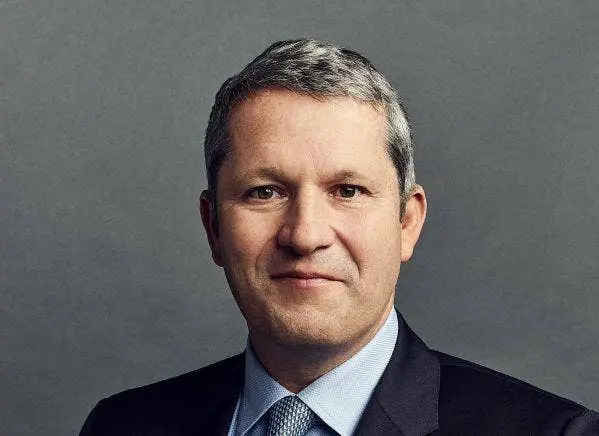
Intel announced in late April that Chief Commercial Officer Schell was resigning from the company after leading its Sales and Marketing Group since 2022.
Schell, who was hired by Gelsinger, informed the company of his decision to leave by the end of June to “pursue another career opportunity,” Intel said in a regulatory filing with the U.S. Securities and Exchange Commission.
Tan told employees in a memo seen by CRN that Schell was leaving to become CEO of Kuka, a German automation company with annual sales of roughly 4 billion euros and approximately 15,000 employees. Schell had served as a member of Kuka’s supervisory board since 2023, according to his LinkedIn profile.
“Since joining Intel in 2022, Christoph has poured his heart and soul into our business and worked tirelessly in service of our customers,” Tan wrote. “He has helped to steer our Sales and Marketing Group (SMG) through a challenging period and built a strong team along the way. I am grateful for his contributions and wish him success in his next role.”
Greg Ernst, corporate vice president and general manager of Americas sales, had “agreed to step in” as interim leader of SMG, Tan said in the memo. Tan made Ernst the permanent leader of SMG and gave him the title of CRO in mid-June.
During his tenure, Schell, a former HP Inc. executive, oversaw major changes to SMG, including a significant reduction in costs and head count that were carried out as part of Gelsinger’s move last year to slash Intel’s workforce by more than 15 percent and reduce spending by over $10 billion in response to deteriorating financial conditions.
When Intel announced the job cuts last August, the company told SMG employees that it would cut the division’s costs by more than 35 percent, CRN reported at the time.
These cuts hit Intel’s global partner organization, which reduced direct partner coverage and reworked its market development funds while it increased overall partner funding, Intel Global Channel Chief Dave Guzzi told CRN in January.
These moves happened after Intel changed its coverage model for an unspecified number of channel partners, who now receive support from third-party distributors instead of Intel salespeople, in response to an earlier cost-cutting wave Gelsinger announced in 2022.
Greg Ernst
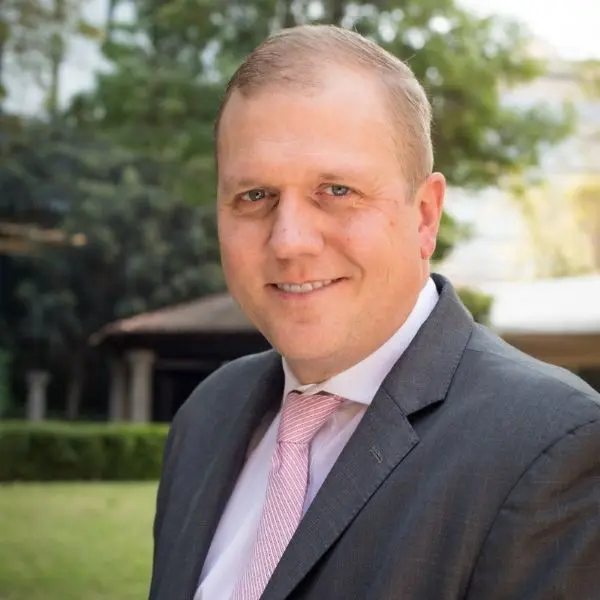
Intel announced in mid-June that 25-year sales veteran Ernst would become the company’s new CRO.
In his new role, Ernst would continue to lead Intel’s Sales and Marketing Group, a responsibility he had held since the previous month following the resignation of Schell.
In a Wednesday post on LinkedIn, Ernst said he is taking over the Sales and Marketing Group at a “pivotal time” for the company, which will put an emphasis on engaging with customers and partners on an engineering level.
“The foundation of our engagement with customers will be an engineering-to-engineering engagement that fosters innovation for our partners,” he wrote, adding that “executing with partners and customers” will be a top priority.
“There is progress to make, trust to build, and we’re all in to help our customers and partners win with Intel,” Ernst said near the end of his post.
Before Ernst became interim chief commercial officer to lead SMG in May, he had served as corporate vice president and general manager of Americas sales, which includes the company’s sales efforts with channel partners.
When Tan appointed Ernst as interim chief commercial officer in April, the CEO called him a “people-first, customer-centric executive with nearly 20 years of Intel sales experience” in a memo to employees seen by CRN.
“He and I have been spending time together as we do deep dives on key accounts, and I look forward to working more closely with him going forward,” Tan wrote at the time.
Jean-Didier Allegrucci, Shailendra Desai
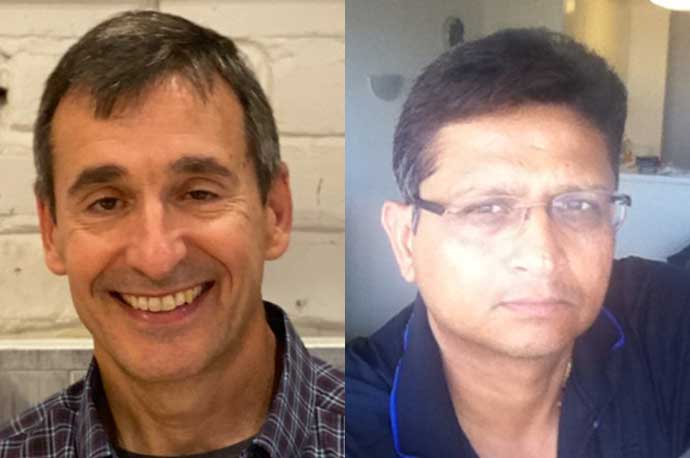
Intel announced in mid-June that it hired veteran semiconductor engineers Allegrucci and Desai to boost its AI computing efforts.
The company said that Allegrucci (pictured above left), a longtime chip designer who spent 17 years at Apple, would become vice president of AI system-on-chip (SoC) engineering.
Allegrucci “will be responsible for managing the development of multiple SoCs that will be part of Intel’s AI road map,” according to the company.
The company gave the title of vice president of AI fabric and networking to Desai (pictured above right), who led silicon engineering, architecture design and platform solutions for multiple mobile SoC designs at Google.
With this role, Desai will lead “development of innovative SoC architectures for Intel’s AI GPUs and forward-looking road map,” according to the company.
Intel said Allegrucci and Desai would report to Katti.
Allegrucci most recently led AI silicon engineering as vice president of engineering at Rain AI, a chip startup backed by OpenAI CEO Sam Altman.
Prior to joining Rain AI, Allegrucci spent 17 years, including most recently as a senior director, at Apple, “where he oversaw the development of more than 30 SoC designs used across many of the company’s flagship products,” according to Intel.
Desai had joined Google in 2021 through its acquisition of Provino Technologies, a chip startup he led and founded that was focused on developing an interconnect platform.
Prior to starting Provino in 2015, he served as a senior engineering manager for five years at Apple and in the same role before that at chip design firm PA Semi, which Apple acquired in 2008 and has served a major role in that company’s homegrown chip efforts.
Srinivasan Iyengar
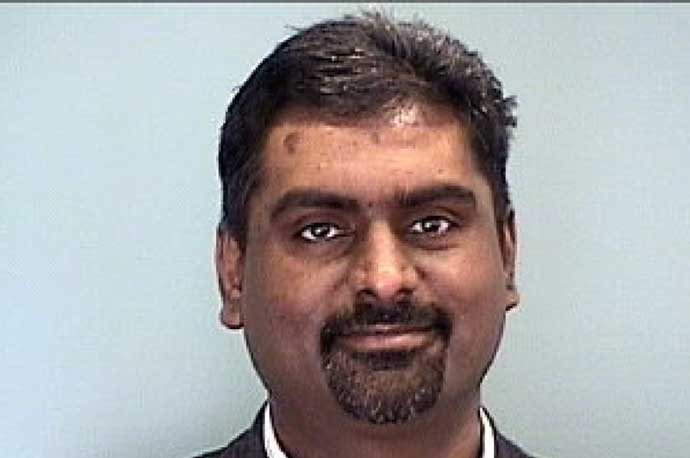
Intel in mid-June announced that it hired Iyengar, a silicon engineering leader at Cadence Design Systems, to boost its efforts to design custom chips for customers.
The company said Iyengar would lead a new customer engineering Center of Excellence as senior vice president and fellow.
Then in September, Intel said it was giving Iyengar an expanded role as the leader of new Central Engineering Group in which he will “lead horizontal engineering functions and build a new custom silicon business to serve a broad range of external customers.”
“With Srini leading Central Engineering, we’re aligning innovation and execution more tightly in service to customers,” Tan said in a statement.
Prior to joining Intel, Iyengar had worked since at least 1997 for Cadence, a major supplier of chip design software that Tan led as CEO from 2009 to 2021.
The chipmaker said in June that Iyengar, who most recently held the title of corporate vice president at Cadence, has “extensive experience and expertise in helping customers create best-in-class custom silicon, including a deep focus on hyperscale data center solutions optimized for key workloads.”
Intel has been ramping up its efforts to design custom chips over the last several months as hyperscalers like Amazon Web Services, Microsoft Azure and Google Cloud increasingly lean on homegrown chip designs to meet their unique needs.
Before Gelsinger was reportedly forced to quit by Intel’s board last December, the now-former CEO had announced a few months prior a “multiyear, multibillion-dollar framework” where it will design and manufacture custom chips for Amazon Web Services.
That vision continues under Tan, who said at the Intel Vision event in late March that he believes the company can “play an important role in developing custom silicon that [are tailored] for specific applications.”
Most recently in September, the company announced a joint development deal with Nvidia that will see Intel develop a custom server CPU for Nvidia rack-scale platforms and a laptop system-on-chip that incorporates an Nvidia GPU chiplet.
Michelle Johnston Holthaus
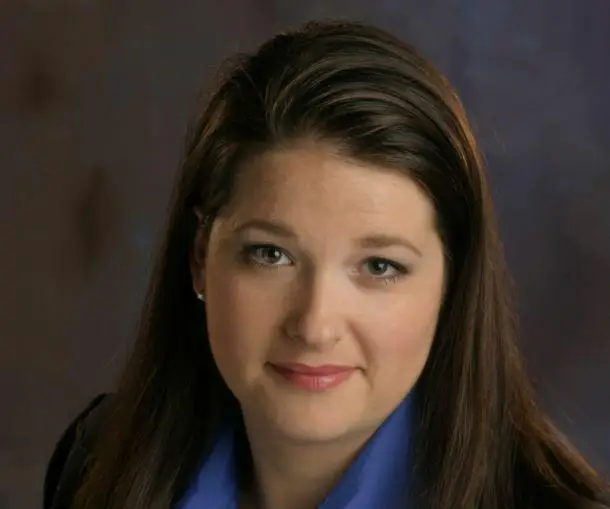
Intel said in early September that Intel Products CEO Holthaus was stepping down after working for the company for nearly three decades.
Holthaus was given the products leadership role in early December after Gelsinger was reportedly forced to resign by the company’s board of directors. At the time, she and Intel CFO Zinsner were also given the interim roles of co-CEOs.
The Intel Products CEO title had given her oversight of the company’s main business units—the Client Computing Group, the Data Center Group and the Network and Edge Group—with the leaders of each group reporting directly to her.
But roughly a month after Tan became Intel’s CEO in March, he said that the leaders of Intel’s main business units would report directly to him. At the time, Tan said that Holthaus would remain CEO of Intel Products and see her responsibilities expand.
“As Michelle and I drive this work, we plan to evolve and expand her role with more details to come in the future,” he said in a memo to employees in April.
Prior to taking the products leadership role, Holthaus had served as executive vice president and general manager of the Client Computing Group since early 2022. Before that, she had been general manager of Intel’s Sales and Marketing Group since 2017.
Jim Johnson
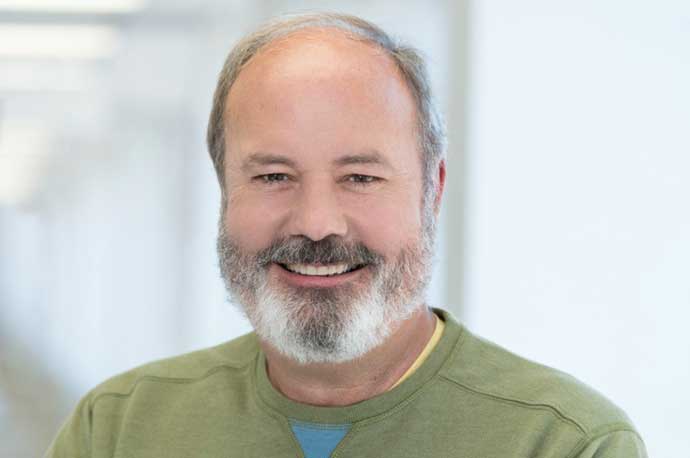
Intel announced in early September that 40-year company veteran Johnson would become the permanent leader of its Client Computing Group.
Johnson had been the interim leader of the Client Computing Group since early December when the business unit’s previous leader, Holthaus, was given the roles of interim co-CEO and CEO of Intel Products.
Intel said that Johnson has held “various engineering and leadership roles across the company, including in the Technology and Manufacturing Group, the Networking and Communications Group, and general manager of several global businesses and manufacturing plants.”
“Jim’s steady leadership and trusted relationships across the computing industry are driving continued progress in our client business as we prepare to launch a new generation of products,” Tan said in a statement.
Kevork Kechichian
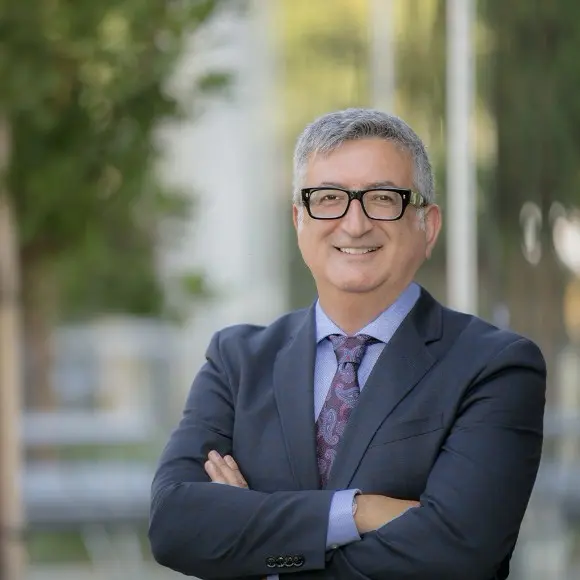
Intel announced in early September that it appointed two-year Arm executive Kechichian as the new leader of its Data Center Group.
Kechichian took over the Data Center Group from Karin Eibschitz, who led the Data Center Group on an interim basis after the division’s previous leader, Justin Hotard, departed Intel to become the CEO of Nokia earlier this year.
“Kevork brings a powerful combination of strategic vision, technical depth and operational rigor that will help us seize growth opportunities across the data center market,” Tan said in a statement.
Tan reorganized the Data Center Group in April to focus solely on CPUs while moving Intel’s AI accelerator chip efforts under a new group led by Katti.
Kechichian was most recently executive vice president of solutions engineering for Arm, the British chip designer that has empowered Amazon Web Services, Microsoft Azure, Google Cloud and Nvidia to create substantial competition for Intel CPUs in the data center and cloud infrastructure markets.
During his more than two-and-a-half-year tenure at Arm, Kechichian “led technology development with ecosystem partners and managed the company's transformation from IP licensing to delivering full-stack solutions,” according to Intel.
Prior to joining Arm in 2023, Kechichian worked for three years at NXP Semiconductors, where he most recently served as executive vice president of MCU and MPU engineering. Before NXP, he spent 12 years at Qualcomm, where he held top engineering roles.
Naga Chandrasekaran
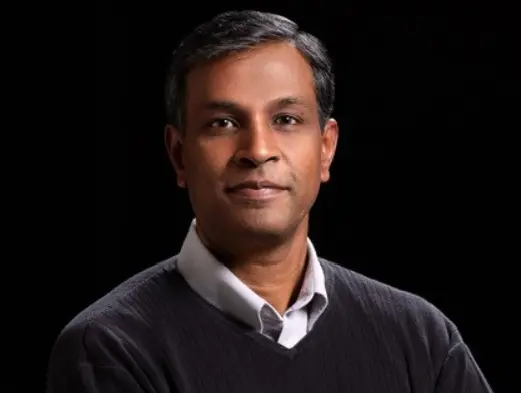
Intel said in early September that Intel Foundry executive Chandrasekaran would take on additional leadership responsibilities for the contract chip manufacturing division.
Chandrasekaran, executive vice president and chief technology and operations officer of Intel Foundry, saw his role expand to Intel Foundry Services, the customer-facing division of the company’s contract chip manufacturing business.
As a result, Kevin O’Buckley, senior vice president and general manager of Intel Foundry Services, is reporting to Chandrasekaran after he previously reported directly to Tan.
The company said this move will create a “more integrated structure spanning technology development, manufacturing and go-to-market to better serve customers.”
Intel noted that it had “consolidated technology development and manufacturing under Chandrasekaran’s leadership earlier this year.”
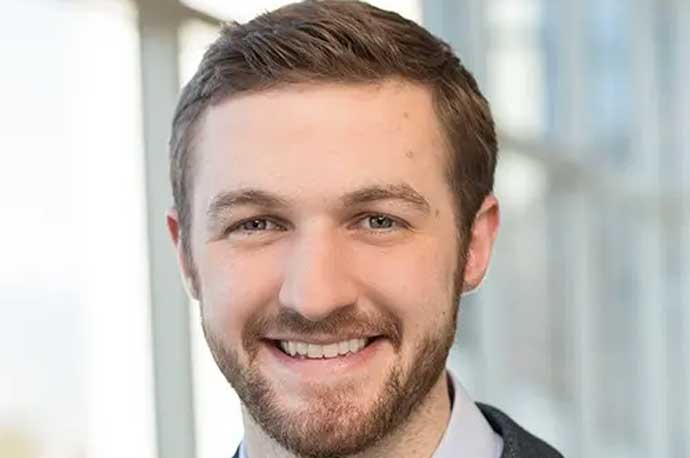
Christopher George
George, the executive who led Intel’s business with the U.S. government, said in mid-September that he would leave the company on Oct. 1.
George, who has been leading the Intel Government Technologies subsidiary since February of last year, made the announcement in a LinkedIn post nearly a month after President Trump announced an agreement for the U.S. government to take a nearly 10 percent stake in the chipmaker using previously awarded grant money.
In his LinkedIn post, George thanked his Intel colleagues and partners and said he is “incredibly proud of the milestones we’ve achieved together and, more importantly, the mission impact we’ve delivered for the U.S. and governments around the world.”
An Intel spokesperson said in a statement to CRN, “We thank Christopher for his contributions over many years of service and wish him well in his future endeavors.”
The company declined to say who would succeed George. George declined to comment.
Formerly known as Intel Federal, Intel Government Technologies is “responsible for managing Intel’s business with the U.S. federal government,” according to a recent job listing on its recruitment website. One of its key functions is to work with defense companies and systems integrators to deliver technology solutions and services to U.S. government customers.
As the president of Intel Government Technologies, George led Intel’s “strategy and engagement across the public sector, delivering mission-ready technologies to defense, intelligence and civilian communities,” according to his LinkedIn profile.
Prior to becoming the head of Intel’s U.S. government business, George was CTO of Intel’s Corporate Strategy and Ventures Group as well as chief of staff to former Intel CEOs Gelsinger and Bob Swan, according to his LinkedIn profile.