5 Things To Know About New HP CEO Emma Walmsley
Following a nine-month search, the PC and printer giant announced that it has hired the former GSK CEO as its new chief executive, effective in early January.
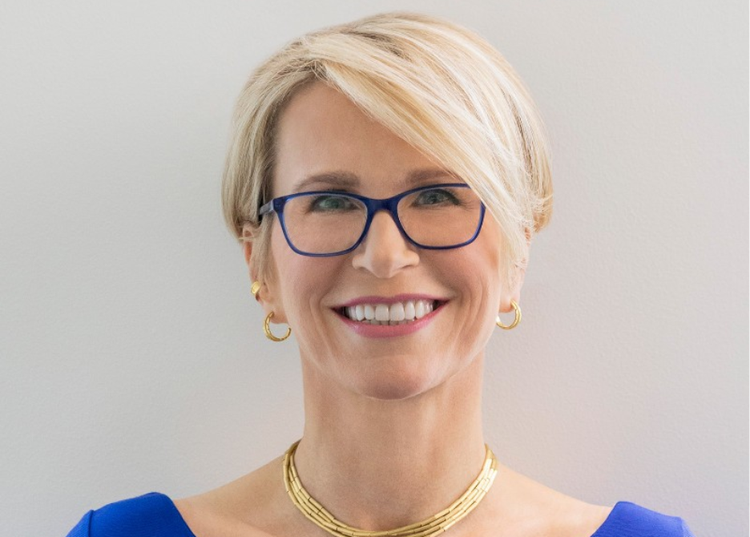
HP Inc. announced Wednesday it has named Emma Walmsley, a former biopharmaceuticals CEO, as its next chief executive as the PC and printer giant continues to pursue AI-driven growth and manage surging memory costs.
Walmsley will become CEO at HP Inc. effective Jan. 4, the company said.
[Related: HP’s Strategy Remains ‘Rock Solid’ Amid CEO Transition, Shortages: Partners]
The announcement came after a nine-month search for a new chief executive, following the departure of CEO Enrique Lores in early February. Lores had stepped down to become the CEO of PayPal.
In a statement included in HP’s news release Wednesday, Walmsley called HP Inc. an “iconic company” that has “a defining role in shaping the future of work on a global scale.”
What follows are five things to know about new HP CEO Emma Walmsley.
Walmsley’s Experience
In hiring Walmsley as its new CEO, HP Inc. is bringing aboard a longtime executive from outside the IT industry.
Walmsley has spent the past 15 years at biopharmaceuticals and biotechnology firm GSK, which has included serving as CEO of GSK for nearly the past nine years.
Accomplishments included leading “a significant transformation of the global biopharmaceutical company” and delivering a major improvement in the operating performance of the company, HP said in its news release.
“She sharpened the company’s strategic focus on specialty medicines and vaccines, reinvigorated its R&D pipeline and strengthened the balance sheet following the successful separation of its consumer healthcare business,” HP said in the release.
Walmsley began at GSK as president of the company’s consumer healthcare division in 2010, before moving up to CEO of the division in 2015 and then being named GSK’s CEO in April 2017.
Prior to GSK, Walmsley had served in executive roles at L’Oréal for 17 years.
Experience within the tech industry has come from spending the past seven years as a board member at Microsoft.
Her appointment marks a different path to the role of HP CEO from that of Lores—who had begun his career at HP as an engineering intern and rose to become CEO in 2019.
AI Growth Priorities
HP is positioning the hire of Walmsley as a key step in its effort to drive accelerated growth through the shift toward running AI on laptops and other PCs.
“HP has an extraordinary innovation heritage, an inspiring purpose and an incredible opportunity ahead as AI reshapes technology and what customers need from it,” Walmsley wrote in a LinkedIn post Wednesday. “I’m excited to build on those strengths and help translate innovation into impact.”
In CRN interviews with HP executives in 2026, executives said the vendor is committed to expanding the adoption of AI-capable devices with the help of partners.
HP Chief Commercial Officer Dave McQuarrie told CRN in April that the company was working with more than 100 software companies to bring AI workloads from the cloud to local devices and workstations.
For solution providers, the strategy creates massive opportunities to bring together hardware, software and services in ways that address specific workplace needs, HP executives have said.
“The biggest opportunity for our partners is to identify the persona-based use cases in customers,” Kobi Elbaz, senior vice president and general manager for global revenue operations at HP, told CRN in February.
“If [partners] understand the pain point, [they can understand] how they can bring more solutions and services around the devices,” Elbaz said.
Component Costs
Walmsley will take over as HP looks to invigorate its growth with the help of AI—and demand for better ways to run AI—while managing ongoing cost increases for components such as memory and storage.
For its fiscal third quarter ended July 31, HP reported revenue of $15.67 billion, up 12.5 percent from a year earlier. Personal Systems revenue climbed 18 percent to $11.76 billion, even as total unit shipments declined 16 percent.
During the vendor’s quarterly call in August, CFO Karen Parkhill said HP expected input costs to continue rising into fiscal 2027, although at a slower pace than the company had experienced during fiscal 2026.
HP has been working with partners to reduce the impact through measures including bundling products, adjusting device configurations and extending the life of existing PCs through services, McQuarrie told CRN in April.
Channel Priorities
Maintaining partner trust through challenges around surging component costs has been a major priority, according to McQuarrie.
“At the end of it, partners’ trust and customers’ trust is going to be the thing that will persist—or the lack thereof, if we don’t handle it well,” he said.
Meanwhile, HP Inc. promoted longtime executive Neil MacDonald to become its new North America commercial channel chief in June, the company disclosed.
HP partners have expressed confidence that the vendor’s channel commitment would remain consistent throughout the CEO transition.
HP is “an organization that is deeply committed to not only working with the channel, but improving how we interact with them, how we reduce friction, how we simplify, how we bring more value,” Harry Zarek, president and CEO of Richmond Hill, Ontario-based Compugen, No. 68 on CRN’s 2026 Solution Provider 500, told CRN in February.
Lengthy CEO Search
The appointment of Walmsley concludes a search that stretched across much of 2026. Board member Bruce Broussard has been serving as the vendor’s interim CEO.
Walmsley’s Jan. 4 start date will mean that the transition to a permanent CEO, following the departure of Lores, will have lasted approximately 11 months.