HP CFO: Memory Prices Up 100 Percent This Quarter, Not Yet At ‘Peak’
Prices for memory chips have doubled coming into the PC maker’s fiscal second quarter, which began Feb. 1, compared to the prior quarter—‘and we do expect them to further increase in the latter part of the year,’ HP CFO Karen Parkhill said Tuesday.
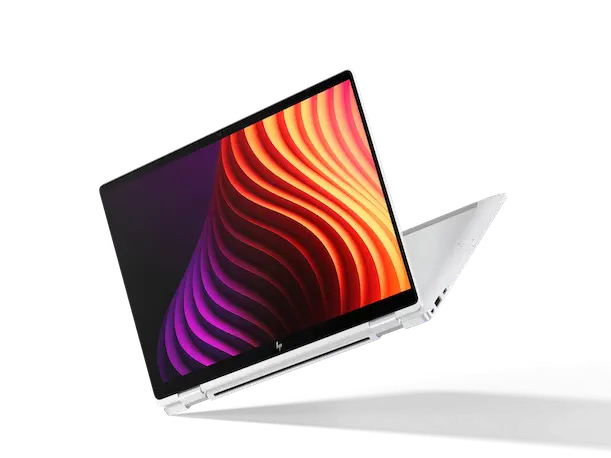
HP Inc. believes it has a solid strategy to recover from the impacts of the industry-wide memory crisis “over time” even as the PC maker reports that prices for memory chips have surged by approximately 100 percent quarter-over-quarter, HP CFO Karen Parkhill said Tuesday.
The spike in memory prices—which has been impacting HP starting with its fiscal second quarter, which began Feb. 1—equates to roughly double what the prices were during the company’s fiscal first quarter, ended Jan. 31, Parkhill told analysts during HP’s quarterly call.
[Related: 5 Things To Know About HP Inc. As CEO Enrique Lores Departs]
The surging costs for DRAM and NAND chips come as suppliers have prioritized memory for meeting AI-related demand, such as from AI data centers, which has dramatically tightened supply.
For PC giant HP Inc., “we’re seeing current prices up about 100 percent sequentially [from] Q1 to Q2,” Parkhill said. “And we do expect [memory prices] to further increase in the latter part of the year. We'll see how much they increase, but we don't expect to have reached peak [during] Q2.”
HP has responded with a series of mitigation measures, Parkhill and HP Interim CEO Bruce Broussard said during the call Tuesday.
Those have included securing long-term agreements with suppliers and qualifying new suppliers, as well as taking steps to reduce the time necessary to qualify additional suppliers, Broussard said.
Meanwhile, HP has also instituted company-wide cost reductions, he said.
Additionally, on the product front, “we are also configuring our products and shaping demand to align the supply we have with our customer needs, and we are taking targeted pricing actions to offset the remaining cost impact,” Broussard said.
The executives said the strategy and mitigation measures should allow HP to recoup the impacts of the surging memory prices.
“We have a combination of product cost actions, company-wide cost actions and price increases to help us recover that entire impact over time,” Parkhill said.
HP has consistently prioritized communication with partners about the pricing issues, solution provider executives told CRN earlier this month.
“HP has always been first to sound the alarm and communicate what’s going to happen,” said Mike Turicchi, vice president for strategic relations and marketing at Manassas, Va.-based NCS Technologies, in a previous interview.
“With any price changes that are coming down the pike, they’ve been very forthcoming about it—and very open about why they’re raising their prices,” Turicchi said. “We see it in the news every day—but for them to acknowledge that and work with us, I think, is fantastic. It shows real, true partnership.”
Quarterly Results
For the first quarter of HP’s fiscal 2026, the company reported that net revenue climbed 6.9 percent from the same period a year earlier to reach $14.44 billion.
That easily surpassed the Wall Street analyst consensus estimate for the quarter, which had expected HP to report quarterly net revenue of $13.93 billion.
HP also saw earnings beat analyst estimates during the quarter, with the company reporting non-GAAP diluted earnings of 81 cents per share, compared to the 77 cents that Wall Street had expected.
CEO Search
In early February, HP disclosed that CEO Enrique Lores had stepped down to become the CEO of PayPal, following a 36-year career with HP. Lores had served as HP CEO since 2019.
The search process for a permanent CEO is “well underway,” Broussard said during the quarterly call Tuesday.
In its consideration of candidates for permanent CEO, HP’s board has a “preference for proven executives who have successfully operated a large, multi-segment business in a complex and dynamic environment,” he said.
AI PC Opportunity
Speaking with CRN earlier this month, Kobi Elbaz, senior vice president and general manager for global revenue operations at HP, said that the company is in the midst of a major AI PC shift that is bringing massive opportunities for partners.
Because AI chips are being prioritized right now by suppliers, “I think we’re going to see that the mix of AI PC is going to increase in the overall [market],” Elbaz said.
AI PC is “a massive market,” he said. “We see more and more use cases coming into play, and also more powerful devices in terms of the numbers of TOPS [trillion operations per second] they can run.”
Ultimately, “I do believe this will continue to fuel the PC industry revenue growth,” Elbaz said. “We see increased demand.”