HP’s AI PC, Memory Crisis Updates: Big Takeaways From Q2 Results
Here are the five biggest things to know from HP Inc.’s fiscal second quarter 2026 financial report.
HP Q2 Takeaways
Prices for memory chips are expected to continue to rise in coming quarters, as expected, though HP Inc. is finding that its AI PC strategy is paying off with increased momentum in the segment, HP executives said Wednesday.
During a call with analysts for HP Inc.’s fiscal second quarter of 2026, ended April 30, executives shared updates on AI PC traction, the memory costs outlook and the search for a permanent CEO. HP surpassed Wall Street expectations for both revenue and earnings during the quarter.
“Consistent with our strategy, we gained share in the premium PC categories” during the quarter, HP CFO Karen Parkhill said during the call Wednesday. “We also drove strong performance in key growth areas with double digit, year-over-year revenue growth in AI PCs, advanced compute solutions and workforce solutions.”
In terms of components pricing, “as anticipated, memory and storage costs increased sequentially” during HP’s fiscal Q2, interim CEO Bruce Broussard said Wednesday.
Speaking with CRN in April, HP Chief Commercial Officer Dave McQuarrie said the company is vigorously working with solution providers to leverage the vendor’s broader portfolio as a way to offset some of the price hikes. Notably, McQuarrie disclosed that the company is “increasingly” able to honor price quotes for 30 days.
Meanwhile, in early February, HP disclosed that CEO Enrique Lores had stepped down to become the CEO of PayPal, following a 36-year career with HP. The search continues for a permanent replacement, Broussard said Wednesday.
What follows are the five biggest things to know from HP Inc.’s fiscal second quarter 2026 financial report.
AI PCs Gaining Traction
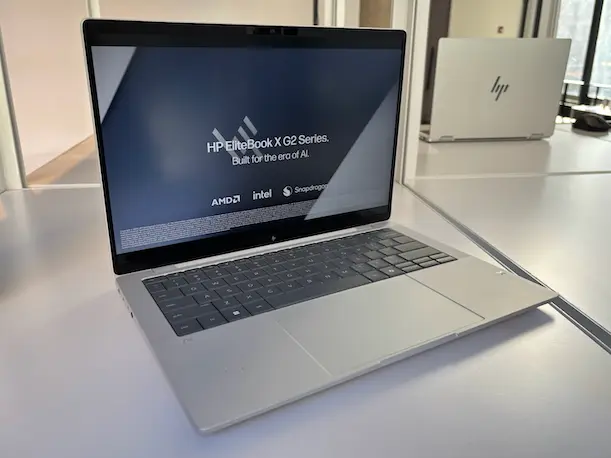
HP executives disclosed that the company is seeing increased traction for its AI PC push, which is helping to drive market share gains in commercial PCs.
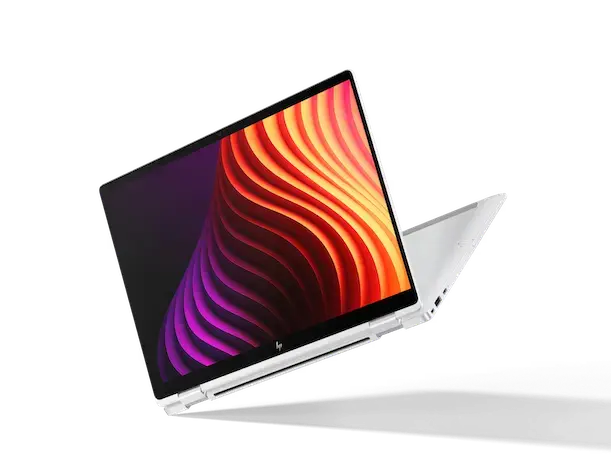
The quarterly results for HP “includes continued momentum in AI PCs, which increased from more than 35 percent to 44 percent of our shipment mix in the quarter, as well as continued strength in advanced compute solutions and workforce solutions,” Parkhill said Wednesday.
Personal Systems net revenue reached $10.2 billion for the quarter, up 13 percent from the same period a year earlier, though the growth was “partly offset by lower volume” in PC unit sales, she said.
Repricing Actions In Personal Systems
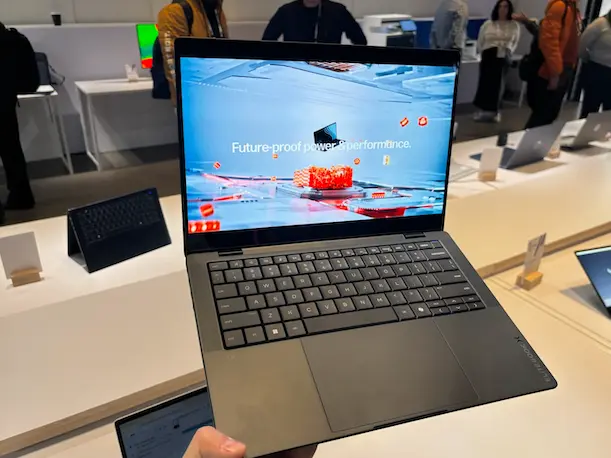
HP executives mentioned at several points that repricing actions, in response to surging memory and storage costs, has been a major factor in the vendor’s strategy.
Since the start of the year, “we took action to reprice for commodity increases,” Parkhill said.
The company also has accelerated product reconfigurations, qualified lower-cost components and optimized the usage of lower-cost inventory while incentivizing the shift to higher-margin devices, she said.
“Together, these actions had a meaningful impact on our operating profit in the quarter, enabling us to deliver results above expectations,” Parkhill said.
Memory Costs Outlook
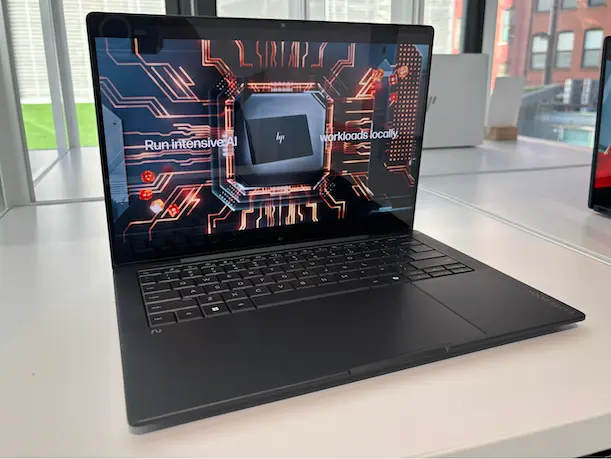
While HP executives did not offer specifics around future pricing increases for memory, the executives did confirm that the issues will persist at least through the rest of the year.
“We expect this trend to continue in the second half of 2026, with costs increasing in fiscal Q3 and Q4,” Broussard said.
“Looking ahead, we expect the memory and storage environment to remain constrained,” he said.
Strong Quarterly Results
In spite of the components pricing pressures, HP reported fiscal Q2 results that beat the consensus expectations of Wall Street analysts.
The company disclosed net revenue of $14.4 billion, up 9 percent from the same period a year ago and above beating analyst estimates by $340 million.
Meanwhile, HP reported non-GAAP diluted earnings of 86 cents per share, compared to the 72 cents that Wall Street had expected.
HP Inc.’s stock price was down 1.2 percent, to $25.49 a share, as of this writing in after-hours trading Wednesday.
No Timeline Yet On CEO Search
Following the departure of Lores, who had served as HP CEO since 2019, in February, HP continues its “comprehensive process to select the best leader for HP,” Broussard said Wednesday. However, HP is still “not in a position to provide a timeline” for the hiring of a permanent CEO, he said. At this point, the board is “actively evaluating candidates who align with HP’s needs,” he said.
Without a doubt, Lores left behind a solid strategy for HP’s growth going forward, according to Harry Zarek, president and CEO of Richmond Hill, Ontario-based Compugen, No. 65 on CRN’s Solution Provider 500 for 2025. “They have really positioned themselves in a leadership role in a lot of the components that make up the endpoint experience,” Zarek told CRN previously.