9 Women Of The Year Finalists On How To Be A Better Executive Mentor
As CRN prepares to hand out its third annual Women of the Year Awards, we share what the nine finalists in the Executive Mentor of the Year category say are the key attributes needed to successfully guide and advise others on their channel careers.

As the 2025 CRN Women of the Year Gala in December approaches, we will be spotlighting some of the awards finalists over the next several weeks, taking a look at their achievements, what inspires them and what advice they have to share with others in the channel.
The gala will honor the winners of the third-annual CRN Women of the Year Awards—spanning 15 individual categories and three company categories—aiming to illuminate women who have made significant contributions to the channel throughout 2025 and the companies that support them.
The finalists were revealed on Sept. 22, and the winners will be disclosed live at the gala on Dec. 9 in New York City (tickets are available here).
Here, we look at the finalists for the Executive Mentor of the Year category, which celebrates women who have a passion for developing others’ careers, proactively helping others build up their skills and rise to leadership positions in the channel. Each finalist shared in her awards application the three qualities that she believes make a good mentor. Read on for insight on how to be a better channel coach.

Kelsey Besser
Director, Inside Sales, Americas
Arctic Wolf
1. Genuine Listening Over Talking: The best mentors ask great questions and actually listen to the answers. I’ve learned that mentees usually have the solutions inside them—they just need someone to help them think it through. It’s about creating space where they feel safe to share their real challenges, not just the surface-level topics.
2. Real Talk About Your Own Struggles: I share my failures as much as my wins. When I tell my mentees about the times I completely bombed a presentation or felt like I didn’t belong in the room, it normalizes their own struggles. Especially for women in tech, knowing that someone else has navigated similar challenges makes all the difference.
3. Focus on Their Unique Brand, Not Cookie-Cutter Advice: Every mentee is different, and I spend a lot of time helping them figure out what makes them uniquely valuable. Rather than giving generic career advice, I help them identify their personal brand and how to communicate effectively. What works for one person might be completely wrong for another, so it’s about understanding who they are, what their legacy and lasting effect will be.

Crystal Ferreira
Global Head Of Channels, Alliances
Logitech
1. Patience: Growth takes time. Holding space for someone else’s journey requires it.
2. Kindness: A mentor’s job is to build, not break. Leading with kindness fosters trust and confidence.
3. Strategic Thinking: It’s not just about solving today’s problem but helping someone build the mindset to navigate tomorrow’s problem, too. It’s understanding people, environment and listening.

Sabine Howest
SVP, Platform Services, Support
Ingram Micro
1. Empathy: To provide the best guidance, you must be able to discern and understand the context behind the questions your mentee is asking. From knowing if they’re facing challenges at home to understanding their prior experiences and perspectives, being able to put yourself in their shoes and understand where they’re coming from is key to finding the right guidance to provide.
2. Kindness: In addition to showing someone empathy, you have to always be kind in how you approach them. To truly reach people, you must lead with kindness. I’ve been told that I am a “warm executive,” and I take great pride in that.
3. Honesty: As a mentor, you need to tell your mentee things they need to hear, the tough messages. Of course, you have to be kind when delivering those messages, and you have to pick your words carefully so they are least likely to be misunderstood. But you have to be brave enough to tell your mentee when something went wrong and shouldn’t be repeated. Many times, instead of telling them, you can do this by asking leading questions that can help them get the point you want to convey.
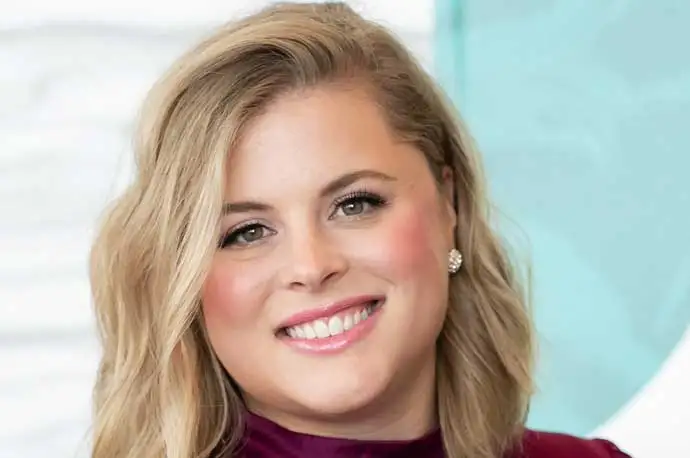
Calhoun McKinney
VP, North America Go-to-Market
TD SYNNEX
1. Empathy: Mentorship begins with understanding—not just someone’s goals, but their fears, pressures and lived experience. Empathy builds the trust needed for real growth.
2. Honesty: Great mentors tell the truth—with kindness and clarity. I’ve learned that direct, compassionate feedback is a gift. It equips others to rise with both strength and awareness.
3. Intentionality: Mentoring requires more than good advice. It demands preparation, follow-through and consistent effort. I show up with questions, frameworks, and options—because someone’s future deserves more than a quick chat.
Together, these qualities create a foundation where mentees feel seen, supported and challenged to lead with purpose.

Andrea Morrison
Chief People Officer
NWN
1. Generational Empathy: In today’s multigenerational workplace, where individuals are navigating challenges and societal shifts that differ significantly from those of previous eras, generational empathy is an essential quality for any mentor. Demonstrating empathy fosters trust and creates a supportive environment for growth. Each mentee is on a unique path, and honoring both where they are in their journey and where they aspire to go is fundamental to effective mentorship.
2. Active Listening: As an executive coach, I have developed and refined my active listening skills, recognizing that effective mentorship begins with truly understanding the individual. A strong mentor listens more than they speak, attuning not only to what is said but also to what is left unsaid. This depth of listening enables mentors to provide thoughtful, personalized guidance that resonates with the mentee’s unique goals and challenges.
3. Deliver Dynamic Feedback: Feedback is a powerful tool for growth, and when delivered thoughtfully, it becomes a catalyst for meaningful development. Effective mentors offer feedback that is timely, relevant and forward-thinking.

Alicia Olson
VP, Communications, Engagement
Optiv
1. Emotional Intelligence (EQ): Being a good mentor is about active listening and truth telling. Listening to understand, not just respond. Shedding new light on a situation and providing feedback in a constructive manner. A mentor with a higher EQ will ultimately help drive a more successful relationship.
2. Humble: A good mentor needs to leave his or her ego at the door. This is about the mentee and helping the mentee get to the next level with a growth mindset. While mentors always benefit just as much for a mentor/mentee relationship, it’s not about them.
3. Experience. A good mentor needs “been there, done that” experience.

Alicia Rasta
VP, Head Of Global Sales
Televerde
1. Credibility Through Action: You have to lead from the front. People believe what they see, not what they’re told. My team sees me in the trenches with them, coaching through setbacks, celebrating the wins and showing that nothing is beneath me. That kind of leadership builds trust.
2. Empathy With Backbone: Great mentors care deeply, but they also challenge you to rise. That tension is where growth happens. A good mentor sees the whole person. Many of the women I mentor are navigating trauma, shame and rebuilding from zero. I meet them with compassion—but I don’t let them stay small. I challenge them to rise.
3. Consistency: Show up. Be there on the hard days. Celebrate the wins. Consistency builds trust, and trust fuels transformation. Mentorship isn’t a one-off chat. It’s being there for the tough calls, the late nights, the self-doubt. The best mentors balance support with high expectations. They don’t just build skills, they build belief, and that’s what changes careers and lives.
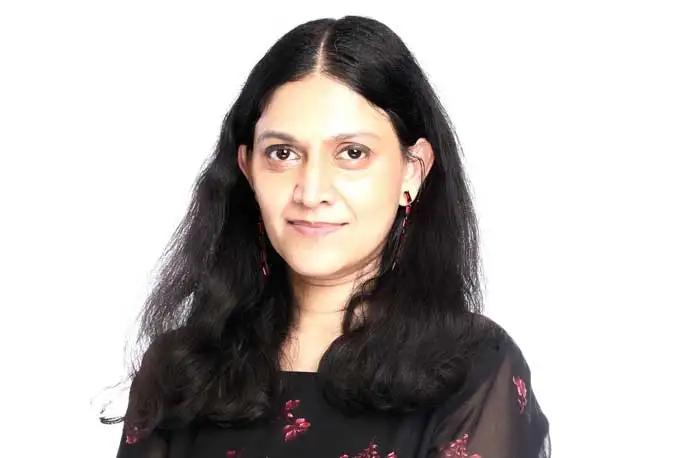
Mahin Sonia
Head Of Partner Solution Architecture, APJ
Amazon Web Services
I believe that a great business mentor possesses the following essential qualities that make them truly effective:
Firstly, they have experienced both success and failure firsthand. This real-world experience allows them to share practical insights rather than just theoretical knowledge, helping mentees avoid common pitfalls while building resilience through learned wisdom.
Secondly, strong active listening skills are crucial. Great mentors focus on truly understanding their mentee’s situation by asking probing questions and creating a safe space for honest dialogue. This enables them to identify underlying issues and opportunities that mentees might miss and also challenge their mentees to grow out of their comfort zones.
Thirdly, they prioritize development over direction. Instead of simply telling mentees what to do, effective mentors guide them toward developing their own decision-making abilities. They take a long-term view of growth, share their networks, and provide accountability while maintaining supportive encouragement.
These qualities work together synergistically: experience provides the knowledge base, listening skills ensure proper understanding of the mentee’s needs, and a development-focused approach helps transform that knowledge into lasting growth. This leads to, not just better business decisions, but the development of more capable business leaders who can think independently and navigate challenges effectively.

Jackie Steinberg
Channel Chief
DartPoints
The top three qualities that make a great business mentor are honesty, grit and confidence.
Honesty builds trust—the foundation of any mentoring relationship. Mentees deserve transparent, constructive feedback that helps them grow, not sugar-coated advice. I believe in telling it like it is, in a way that empowers rather than discourages.
Grit is about perseverance. A great mentor leads by example, showing mentees how to push through obstacles and keep moving forward, even when things get tough. It’s about modeling resilience and reminding them that setbacks are part of the process.
Confidence is contagious. You don’t have to be the smartest person in the room, but you do need to own your role, show up with conviction, and know where to find the answers when you don’t have them. Demonstrating confidence teaches mentees how to speak up, trust their instincts and lead with authority.
These qualities together create a mentor who not only guides but inspires—someone who helps others see what’s possible and gives them the tools to get there.

For more information about the gala, including details on how to attend, click here.