The Best Ideas Aren't Always The Loudest, Inclusive Channel Leaders Say
From elevating overlooked voices to embracing diverse perspectives, CRN's 2026 Inclusive Channel Leaders share why listening to create opportunity and belonging are critical to building high-performing organizations.
Inclusion has long been associated with representation, equity and creating opportunities for people from all backgrounds. But among CRN's 2026 Inclusive Channel Leaders honorees, another theme emerged repeatedly: inclusive leadership starts with listening.
At a time when the channel is navigating rapid advances in AI, changing workforce demographics and evolving customer expectations, leaders say inclusion is about more than culture. It's about knowing that the best ideas can come from anywhere and creating an environment where those ideas are heard.
For Kathy Flick, vice president of partner channel at Nextiva, inclusive leadership is rooted in personal experience.
"I've been in rooms where I didn't feel valued or respected," Flick wrote in her application for the Inclusive Channel Leaders project. "I don't want anyone, especially anyone on my team, to feel that way."
Flick said that, as a leader, she feels responsible for creating an inclusive environment.
"Leaders should help create a culture of belonging where each team member feels respected and valued," she said.
Several honorees also pointed to the business benefits that come from listening to a broader range of voices and incorporating diverse viewpoints into decision-making.
Tom Evans, chief partner officer at Cloudflare, described inclusive leadership as "a business imperative" that fuels innovation and diversity of thought.
"Knowing the best ideas come from unexpected places, it's our responsibility as leaders to create an environment where those ideas can surface and thrive," Evans wrote.
Lloyd McCoy, senior director of public sector marketing at TD Synnex, in his application shared a similar perspective, arguing that inclusion helps organizations elevate the strongest ideas rather than simply the ones shared most forcefully.
"Inclusive leadership ensures the best ideas surface, not just the loudest voices," McCoy said. He added that leaders must be intentional about visibility, development and opportunity, ensuring employees are "heard, trusted and expected to lead."
Taken together, these perspectives suggest that inclusive leadership is ultimately about creating conditions where people can contribute fully. Whether it's ensuring team members feel respected, elevating overlooked voices or embracing new perspectives, the goal is the same: building organizations that are stronger because every voice has impact.
Here’s a look at what some of the honorees said motivates them to strive for inclusive channel leadership.
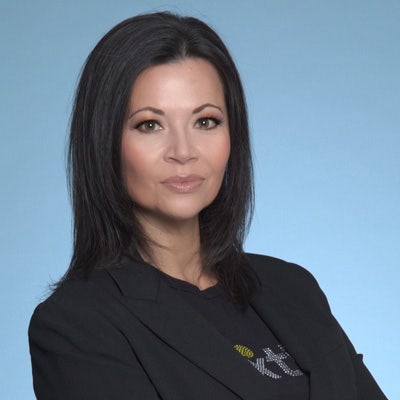
VP, Partner Channel
Nextiva
I've been in rooms where I didn't feel valued or respected. I don't want anyone, especially anyone on my team, to feel that way. As a leader, I am responsible for helping to create an inclusive environment. This responsibility motivates me along with my desire to never let my team down. Inclusive leadership is crucial for building high-performing teams. Leaders should help create a culture of belonging where each team member feels respected and valued.
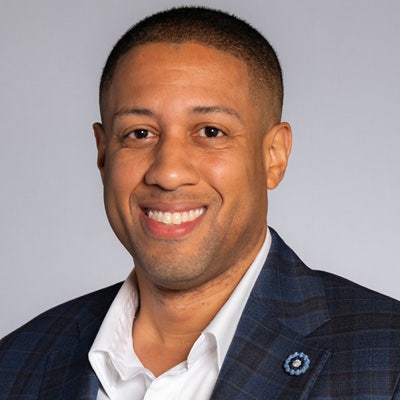
Sr. Director, Public Sector Marketing
TD Synnex
Inclusive leadership ensures the best ideas surface, not just the loudest voices. I've seen how capable individuals are overlooked without intentional advocacy, which shaped how I lead. It is also personal: as a father of twin daughters, I want leadership pathways defined by merit, not bias. I take ownership of creating environments where people are heard, trusted and expected to lead. That means being intentional about visibility, development, and who is trusted with opportunities. Inclusion drives stronger teams, better decisions and more durable outcomes. My role is to remove barriers, expand access and ensure leadership opportunities are earned and visible.
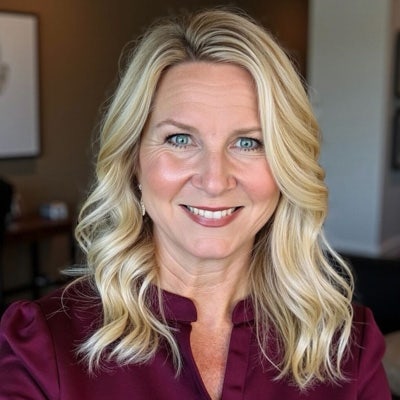
Global VP, Channel, Alliances
1Password
Inclusive leadership directly shapes how teams perform, grow and innovate. When people feel seen, heard and valued, their contributions drive better outcomes for our partners and customers. Leading a global organization has reinforced how critical diverse perspectives are to better decision-making and adaptability. My motivation is personal. I've seen both the barriers people face and the impact of resilience up close in my family, which has driven me to take action through mentoring, creating pathways into tech and advocating for inclusive practices. I'm committed to building environments where opportunity is accessible and people can succeed on their own terms.
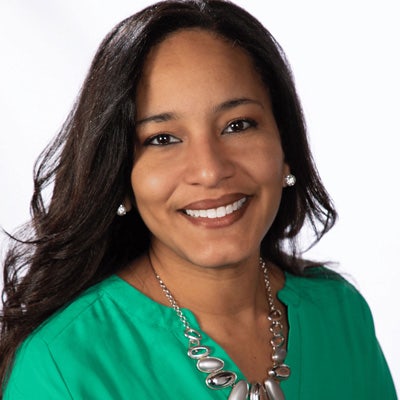
Technical Architect
NWN
I've seen firsthand how access and opportunity can inspire a career path. I'm proud to have been involved with programs like the Boys & Girls Club that have provided me with exposure and support. My prior experiences opened doors for me and continue to influence how I show up as a leader today. Inclusive leadership is about making sure every voice is heard and valued. I'm motivated by the opportunity to extend my impact beyond the workplace. By building bridges between people, teams, organizations and within our communities, more individuals can access opportunities and feel empowered to pursue them.

Managing Director
Trace3
Growing up in India, I witnessed firsthand how systemic barriers shape who participates and who is left out. I saw women, including my own family, navigate a world that required them to prove themselves twice only to be taken half as seriously. That experience continues to shape how I show up every day. I am intentional about never being the person who makes someone feel like they do not belong at the table. I lead by being the connective tissue across teams, bringing together people who would not normally be in the same room and turning it into genuine relationships.
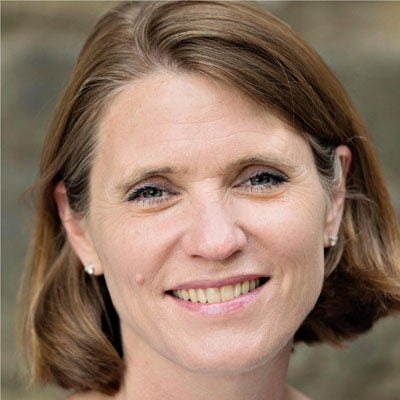
VP, Global Channel Marketing
RingCentral
While gender equality and embracing different viewpoints continue to be priorities, I'm increasingly realizing the value different generations bring to the table. The world has changed, and often I find younger employees bring a fresh perspective. The world I grew up in no longer exists. Going forward, if we want our message to be heard, we must connect with a new voice. Those who matured online have valuable insights into what resonates. As a leader, I've come to understand that what worked in the past may not anymore, and new perspectives are invaluable.

Director, Americas Channel Sales
Opengear
Inclusive leadership is important to me first and foremost as I am a diverse senior leader in that I am a woman and I also represent the LGBT community, which is rare in the channel. It is also important to me to push diversity in hiring and internal teams. Companies need to hear multiple voices, as this not only creates higher-performing workplaces but having diversity ensures that all people feel respected, valued and empowered to contribute to the company success.

Chief Partner Officer
Cloudflare
To me, inclusive leadership is a business imperative that drives the innovation and diversity of thought needed to tackle today's complex tech landscape. I am motivated by the collective success that thrives when every voice in our organization has a seat at the table and the opportunity to lead. Knowing the best ideas come from unexpected places, it's our responsibility as leaders to create an environment where those ideas can surface and thrive.
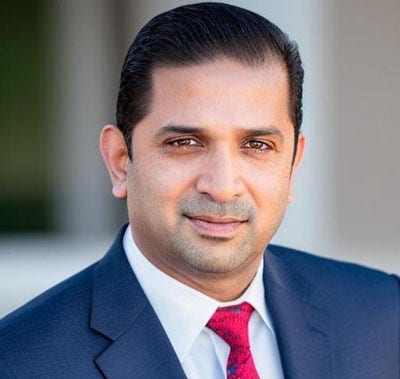
Global Head of Cybersecurity
SVAM International
Inclusive leadership, for me, is the deliberate work of expanding who gets to participate in the IT channel and who gets to lead. As the head of a certified MWBE [Minority- and Women-owned Business Enterprise] firm competing alongside the largest MSPs in the country, I demonstrate daily that minority-owned businesses deliver at the highest level. My "human first" philosophy is not aspirational, it is operational. From mentoring diverse graduate students at Columbia to amplifying underrepresented perspectives through Forbes Technology Council and the [Harvard Business Review] Cybersecurity Advisory Board, I intentionally build pathways so talent from every background can belong and thrive in this industry.
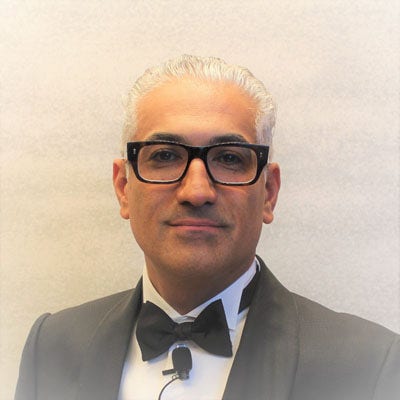
VP, Global Sales
Sycomp A Technology Company
For me, inclusive leadership isn't just a corporate initiative or a 'nice-to-have'—it's a fundamental belief that directly translates into business performance. It's important because the most complex problems we face cannot be solved with a singular perspective. True innovation and robust decision-making only happen when a wide array of viewpoints, experiences and backgrounds are brought to the table, respected, and genuinely considered. An inclusive environment is where that becomes possible.