Cloud Security Startup Upwind Lands $250M Funding Round, $1.5B Valuation
The company is touting an expansion in channel partnerships that preceded the new round, which makes Upwind ‘the first unicorn in modern cloud security,’ CEO Amiram Shachar says.
Cloud security startup Upwind, which has seen a major expansion in channel partnerships over the past year, announced Monday it has raised $250 million in new funding and achieved a $1.5 billion valuation.
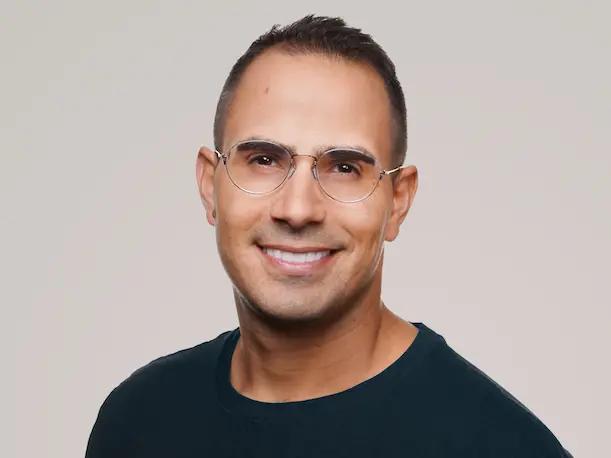
The round makes Upwind “the first unicorn in modern cloud security,” co-founder and CEO Amiram Shachar (pictured) wrote in a blog post.
[Related: Stellar Startup Security Technology Vendors To Know In 2025]
The startup disclosed that the Series B funding round, which was led by Bessemer Venture Partners, brings the company to a total of $430 million raised to date. The company was founded in 2022 by the former leadership team of Spot.io, which was acquired by NetApp in 2020.
Upwind—which has received numerous recognitions from CRN in recent years including an appearance on the 2025 Stellar Startups list—disclosed in its news release Monday that the startup has added more than 100 new partners during the past year. In particular, those partners have included channel players such as MSPs and VARs, according to the company.
Upwind offers a comprehensive runtime cloud security platform, including an eBPF-based sensor that provides visibility into workloads, configurations and applications in real time, according to the company.
The new funding will enable Upwind to accelerate its efforts to scale, “expanding our cloud security platform across AI, data, code, and whatever comes next,” Shachar wrote in the blog post Monday.
Channel-Driven Growth
Recent years have seen many cybersecurity startups placing a high priority on working with channel partners even from the early phases of their sales efforts.
Those have included Upwind, which has been focusing on driving its growth through solution and service provider partnerships, Shachar told CRN previously. “I’m a big believer in channel,” he said in the previous interview.
Partnerships have included smaller VARs as well as major solution and service providers, Shachar said. “Most of our big accounts that we have right now came from channel,” he said at the time.