Palo Alto Networks May Gain ‘First-Mover Advantage’ On Quantum Readiness: Analyst
The cybersecurity giant is urging the industry to pay attention to the threat from quantum computing and is well-positioned to play a key role in enabling the post-quantum shift, according to TD Cowen’s Shaul Eyal.
Palo Alto Networks is well-positioned to help lead the way within the cybersecurity industry on the coming post-quantum transition, according to TD Cowen analyst Shaul Eyal.
The cybersecurity giant Tuesday urged the industry to pay more attention to the risks posed by the advent of ultra-powerful quantum computers by holding its online Quantum Safe Summit event featuring high-profile speakers discussing post-quantum cryptography and related issues.
[Related: Why Quantum Computing Threat Will Impact ‘Absolutely Everyone’ In Security: Experts]
Many in the industry believe that the continued advancement of quantum computers could render existing data encryption methods obsolete in the future. The date when this could happen, referred to as “Q-Day,” is seen as impossible to predict at this stage.
But the fact is that organizations will need years of preparation to be ready for Q-Day, which suggests that starting to lay the groundwork now is essential, experts said during the Quantum Safe Summit event. Speakers included Jerry Chow, CTO for Quantum-Centric Supercomputing at IBM, as well as John Martinis, a 2025 winner of the Nobel Prize in Physics and co-founder of quantum computing hardware maker Qolab.
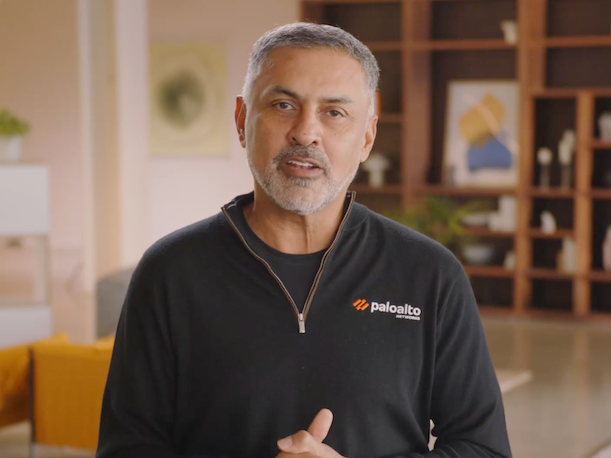
Without a doubt, “there’s a need for all of us” to begin post-quantum preparations, Palo Alto Networks CEO Nikesh Arora (pictured) said during the online event.
The purpose of gathering experts on the topic, Arora said, is to “make sure you understand that this is real."
“It's going to show up in short order in front of us,” he said.
In a note to investors Wednesday, Eyal applauded Palo Alto Networks for raising attention on the issue, as well as for making clear where the company intends to offer its own technologies for enabling the post-quantum shift.
“While it may still take years to see RSA encryption keys being broken by quantum computing, early quantum readiness capabilities position PANW with a potential first-mover advantage, which we favorably view,” wrote Eyal, a managing director and senior analyst at TD Cowen.
For starters, Palo Alto Networks is offering next-generation firewall and SASE customers “complete visibility and control over their cryptographic risk posture” through a Quantum Readiness Dashboard, the company said in a news release announcing the capability in August.
The vendor is also enabling the implementation of “quantum-safe” security for external communications, as well as procurement of new next-gen firewall models that can process post-quantum cryptography, Eyal noted.
Ultimately, Palo Alto Networks is poised to stand out with “the ability to enable 'Quantum-Readiness' across its solutions’ portfolio at this early point,” he wrote.