5 Reasons Partners Should Get Their Hands On The Intel Compute Card
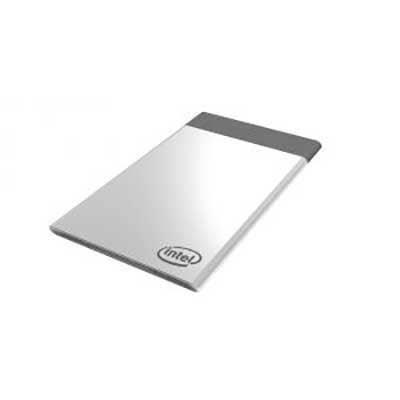
Compute Card Power
Intel's Compute Card may only be the size of a credit card, but the chip maker said its newest small form factor PC brings the power of connectivity to virtually any product.
This 5mm-thick device, which will be released mid-2017, will help power the next generation of Intel-based IoT devices, encouraging businesses to more quickly embrace IoT applications, Intel says. Intel has created several small computing form factors recently. Last year it released the Compute Stick that can transform any HDMI display into a desktop computer. The new Compute Card, unveiled at CES 2017 earlier this month, is it's most dimminutive yet.
Here are five things about the Compute Card that Intel partners might find interesting.

1. Partner Go-To Market Strategy
Intel said that it plans to develop an ecosystem of products based on the Compute Card. According to the company, these technology partners are "working to develop products that can take advantage of the simplified design, ease of serviceability and user upgradeability of the Intel Compute Card."
Intel envisions a world where smart devices such as kiosks, security cameras and refrigerators are powered by Compute Cards.
In terms of OEMs, Intel said it will partner with Dell, Lenovo, Sharp and HP to build products based on the small form factor. However, the Santa Clara, Calif.-based company will also work with regional partners to push the development of additional connected devices – such as Seneca, Nexdock, TabletKiosk, and InFocus.
2. Components
The Compute Card has an array of features that play into a simplified design for customers, according to Intel.
The small card is equipped with a standardized I/O interface to support multiple devices, using a variant of the USB-C port called the USB-C plus extension to plug into other systems. According to Intel, that feature enables connected devices to directly access not only HDMI and DisplayPort video inputs, but also USB and PCIe inputs.
The card also comes with the option of a range of processors – including the seventh-generation Intel Core vPro. According to Intel, the Compute Card also features low-wattage computing with cooling integrated in the dock.

3. More Than Just Compute
In addition to processing power, memory, storage and I/O capabilities, the Compute Card also offers built-in, integrated Wi-Fi and Bluetooth wireless connectivity. The card also comes with secure docking – so whether it is installed internally or inserted externally into devices, it remains secure through what Intel calls an "integrated locking mechanism."

4. Applications
One of the biggest and most practical applications of the Compute Card is that it can be added to any certified device to increase its compute capabilities and lifecycle.
For instance, the Compute Card can plug into your smart TV or other appliances to extent the processing hardware inside it, as opposed to buying a new device. The Compute Card also enables users to transform their appliances into Internet of Things devices, such as digital kiosks or signage screens.

5. Pricing And Availability
Intel has not yet talked about pricing, but the company said it will reveal more information on specs, cost and availability in the second quarter of 2017. The Compute Card itself will be available mid-2017, according to Intel. It's previous product, the Intel Compute Stick, carried was attractively priced at $150 for a Microsoft Windows version.