Extreme Networks' Leading Strategist On Plan To 'Aggressively' Take Market Share From Cisco, HPE-Aruba, Arista

Going Head To Head With Competitors
Extreme Networks' leading strategist, Dan Dulac, said the networking vendor has its sights set on rivals Cisco Systems, Hewlett Packard Enterprise-Aruba and Arista Networks with a new arsenal of technologies acquired from Avaya, Brocade Communications and Zebra Technologies.
"The way we think about Extreme now in the marketplace is, we are really the only alternative to Cisco as it relates to end to end, the data center and all the way out to the wireless edge," said Dulac, vice president of product management and strategy for Extreme, adding his company can now go "head to head" with Arista.
In an interview with CRN, Dulac talks about how Extreme's product and M&A strategy is turning up the heat on its enterprise networking competitors.
Just how broad is Extreme's networking portfolio now?
This is absolutely the broadest portfolio that we've ever had. Not only the broadest, but the depth as well. The way I think about these acquisitions is we acquired purpose-built technologies. Meaning with the Zebra technology, it's purpose-built Wi-Fi technology that was architected, engineered and designed to solve what I call the 'hyper-distribution problem.' When you think about the networking assets we acquired from Avaya, the key technology pieces we were very interested in was all of the innovation around campus automation, specifically around fabric technology. … We are not only growing our business and taking market share, but we acquired a tremendous new customer base as well.
How can partners leverage Extreme's new portfolio to better compete in the enterprise?
The way we think about Extreme now in the marketplace is we are really the only alternative to Cisco as it relates to end to end, the data center and all the way out to the wireless edge. [Hewlett Packard Enterprise] is actually backing out of the data center. When we think about the places in the network from the data center all the way out to the campus, all the way out to the access edge – whether it be wired or wireless -- we're really the only alternative to Cisco, given that HPE has defocused and is moving out of the data center.
So you think Extreme now has leverage over HPE-Aruba?
Yes, because a lot of their investment in technology is into the Aruba asset and some of the access and campus switching. The end-to-end piece is really where we're the clear and only alternative to Cisco with this kind of portfolio breadth as we bring in the Brocade technologies. We closed on the Avaya technologies and then the Zebra Technologies wireless LAN about a year ago.

What is your new approach in the data center?
With the acquisition of Brocade's SRA products -- the switching, routing, analytics -- we not only have significant depth and the capability to upsell and cross-sell within our newly expanded install base, it's purpose-built technology. We can now go head to head with Arista's technologies. They don't have wireless. They don't have campus. They're really focused in the data center. Given the new depth and maniacal focus Brocade's SRA team has been working on, we can actually go after and attack in the competitor's landscape with the likes of Arista and Cisco who have competing data center products. We're aggressively attacking that.
What's one new Extreme data center product that will shake up the industry?
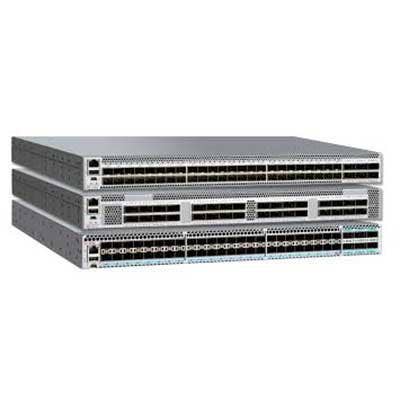
A year ago in September, the data center team at Brocade launched the new flagship SLX platform. So as we fold that into our portfolio, we have a brand-new flagship technology that will carry our data center technology strategy into the next 10 years. It's not something we're going to have to build; it's already been built. So we acquired some brand-new cutting-edge technology where Brocade had already borne the expense of developing it. Now we have it, we've just got to execute and build on top of it. We're super excited about that. It definitely rounds out the depth and our data center solution set in a very big way.

How behind was Extreme's data center business a few years ago?
Brocade has been laser-focused on building world-class, hyper-scalable data center technology – switching, routing and analytics. That wasn't an area that heritage Extreme, prior to these acquisitions, was focused on. While we did have some data center products, it was just enough to give us a chance to compete, but not enough depth where we could really expand and grow at that place in the network. With our heritage data center solutions, it was usually bought by existing Extreme customers either on the campus or edge because we were already an incumbent. In some cases we were successful, in some cases we weren't because of the lack of depth in those data center products. But that's no longer the case.
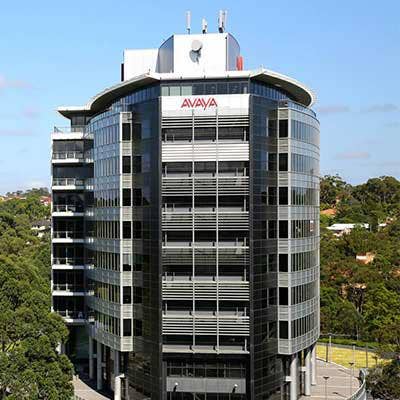
What's one technology acquired from Avaya that you're excited about?
Avaya's Fabric Connect. The operational efficiencies that come with the Fabric Connect capability -- the automation provisioning, the stealth networking, the hyper-segmentation capability of how we can segment simply and easily data traffic for security, driving a higher application user experience – all of those things are really at the nucleus of how we are strengthening the depth in our campus WAN solutions from a modular switching platform, which is brand new. The VSP [Virtual Services Platform] 8600 just launched in July. It's a brand-new modular platform that we'll be investing in very strongly going forward.

You only paid $210 million in total for the Brocade, Zebra and Avaya assets. How did Extreme do that?
A lot of vendors now are refocusing their business on their core competencies. When you look at Zebra Technologies, years ago Zebra acquired Motorola Wi-Fi assets to pull into their business. Zebra's core competencies are really mobile device scanner, mobile printers, these things you see in retail environments, the warehouses, the handheld scanner devices, etc. – that's their core competency. They went out and acquired Motorola wireless. Well about one year into it, they came to the realization that, 'Gosh, we don't have the sales expertise or the go-to-market expertise or partners to actually go in and compete with wireless against Aruba [Networks], against Ruckus [Wireless], against Cisco.'
So basically a defocus on the wireless engineering road maps really became a thorn in their side and a distraction. They decided they were going to refocus their business on their core competencies. As such, the Zebra wireless LAN assets came up for sale. That gives us tremendous negotiating leverage when they're trying to offload that cost and expense. We were able to strike a very accreditive deal to acquire those assets.
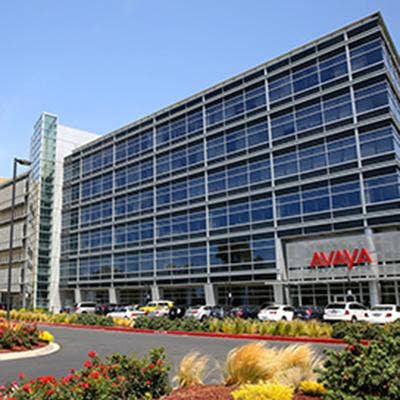
What about only paying $100 million for Avaya's networking business?
So Avaya is very similar [to Zebra]. Avaya is a voice and unified communications company. Years ago, they acquired the Nortel assets under the very similar premise [as Zebra]. Avaya said, 'Look, we're deploying these VoIP or voice or Wi-Fi solutions, we need an extension of our voice and UC in the network. So let's buy these networking assets so we have a holistic end-to-end solution.' But again, many years into it, their networking became the distraction. It became a financial anchor that was not growing and struggling because it was defocusing their businesses. They waited so long that, ultimately, they had to go into bankruptcy. Because of the bankruptcy, we had purchase leverage to strike that great deal.
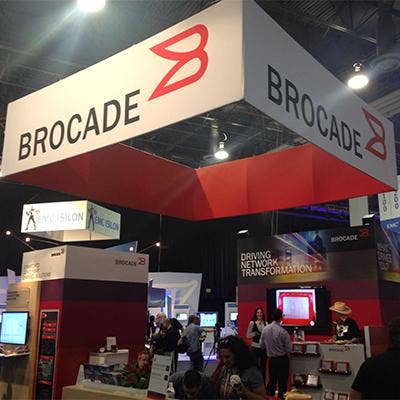
How did you get Brocade's data center business for $55 million?
So Broadcom acquired Brocade about a year ago. Right out of the gate, Broadcom basically said, 'Look, we have no interest in these other networking assets. We're going to divest them right away.' What they really wanted was [Brocade's] Fibre Channel technology.
They tried to divest their Ruckus Wireless, ICX [switching] – so the data center and edge products in one big bundle. They couldn't find a buyer. That's why they broke up those pieces. So Arris agreed to purchase the ICX product line, which is the edge product line with Ruckus Wireless. We already had those products. So we just went out and bought what we really wanted to build upon, which was the data center technology. Because of the timing, Broadcom's inability to sell everything together, and the breakdowns with some of the potential deals, we were able to use that as negotiating leverage to take on and buy that asset.

So what's the industry trend here?
The industry trend in general is businesses repositioning and focusing on what they do and what they do best, which has helped us across all these opportunities. We've just been the benefactor of these other businesses focusing on their core competencies and divesting the pieces that defocus them, which happen to provide us more networking focus. We are focusing our business on our core competencies, that is enterprise networking. … Saying we got a bargain is an understatement.

Talk about the customers you've acquired through these acquisitions.
With these acquisitions, we've acquired a tremendous customer base. When you think about the Zebra acquisition, for example, we acquired UPS as a customer, FedEx, Lowes, Walmart – all of these top 100 businesses in the world. The way we look at that is all these customers own all of our wireless capability, but they don't own our campus switching or data center switching -- yet. The go-to-market opportunity is to go into our install base and expand our solutions at these additional places in the network with our purpose-built technology, whether it be in campus or data center. By being successful there, we'll also take market share from everybody else.

Why should partners be pumped about Extreme Networks?
Partners now have a broader Wi-Fi portfolio to go and grow their businesses in new and different verticals that dictate these topology differences. Now they can maybe go after retailers trying to solve the hyper-distribution problems. Maybe if they're a Zebra partner, now they can go after and sell in the hyper-density environments where BYOD and [Network Access Control] and the Internet of Things is paramount. What we're really getting is not only a broader portfolio, but purpose-built depth and capabilities for each place in the network -- whether it be access, campus or data center across our portfolios.