9 MSP Execs On AI Usage Concerns In 2026
At this week’s XChange August 2026 conference, CRN asked executives from leading MSPs about the biggest challenges their customers are asking for help with. Here’s what they had to say.

AI Anxiety
Customers are increasingly turning to MSPs for help navigating the massive opportunities—and massive risks—surrounding adoption of AI-powered technologies. That was the message from top MSP executives who spoke with CRN this week at XChange August 2026, which was hosted by CRN parent The Channel Company and held in National Harbor, Md.
[Related: MSPs’ Real AI Advantage Is Relationships, Not Technology: OpenText Exec]
When it comes to AI and MSPs’ customers, “there’s almost a panic to use it, because they see the efficiencies that are being driven elsewhere,” said Martin Perkins, founder of Tech Cartographer, an IT and cybersecurity consulting firm based in Wabash, Indiana. “They hear about it everywhere, but they don’t know how to actually do it.”
In reality, however, “AI is not something that you just ‘use,’” Perkins said. “You [need to] have a goal to actually achieve something with AI.”
CRN spoke with executives from nine top MSPs during the conference and asked each the same question: “What is the biggest challenge your customers are asking for help with today that they weren’t talking about a year ago?”
What follows are insights from nine MSP executives on AI usage concerns in 2026.
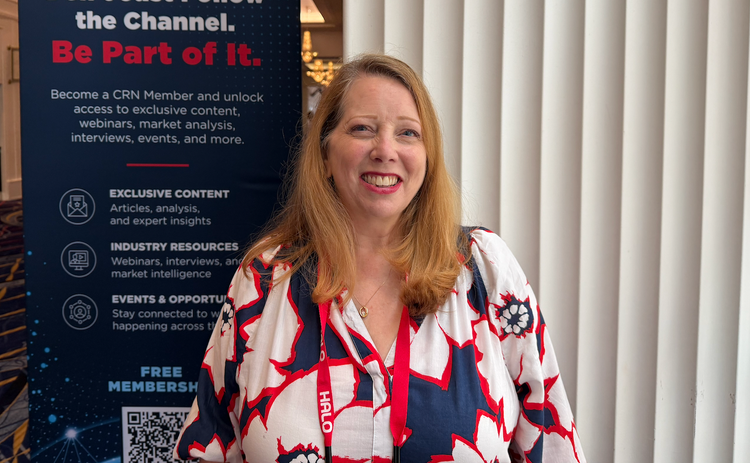
Susan Hilliard
Director Of Field Services
Bell Techlogix
How to use AI is a big one. But a lot of our customers are DOD contractors. For them, [the question] is, “How do we use AI and do it securely within the restrictions that we have?” That’s been a huge challenge for us. There are a lot of people talking about how to use AI, but not within that security-restricted space. That’s been big for us—because we understand that. And so, being able to talk to our customers about, “Here’s what you can do, here’s what you can’t do”—within the confines of whatever requirements you have—has been big for us. We’ve actually made a lot of inroads with some of our existing customers and gotten inquiries from new customers who’ve heard that we can help you do that.
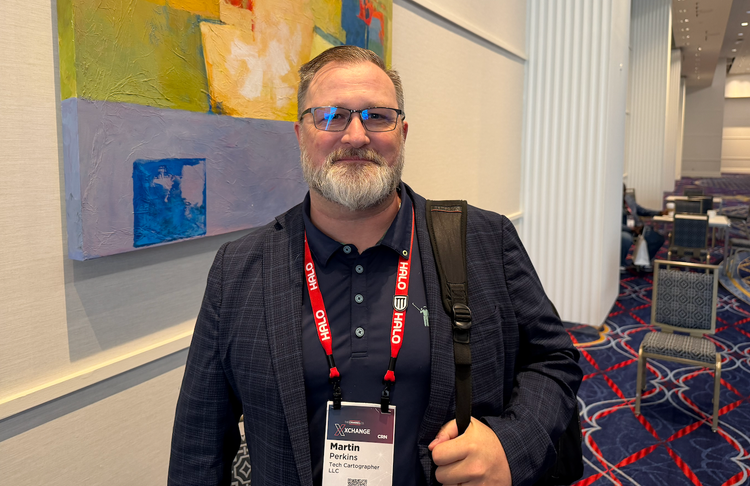
Martin Perkins
Founder
Tech Cartographer
Realistically, my clients know that AI is a thing. They don’t know what it can do for them. There’s almost a panic to use it, because they see the efficiencies that are being driven elsewhere. They hear about it everywhere, but they don’t know how to actually do it. The response to that for me has been, OK, let’s unpack your processes, figure out what your workflows are, find your bottlenecks—and then actually drive toward solutions in that endeavor. That’s really been the biggest conversation starter to date. Those AI conversations are really good at bridging even to non-AI solutions. AI is not something that you just “use.” You [need to] have a goal to actually achieve something with AI. Most businesses don’t even know their own processes well enough, or haven’t broken them down to the point, where they know where those pain points are—the manual process or the bottleneck—to be able to actually develop business use cases for them. Pinning them down and actually helping them map that out is really what needs to happen across the board.
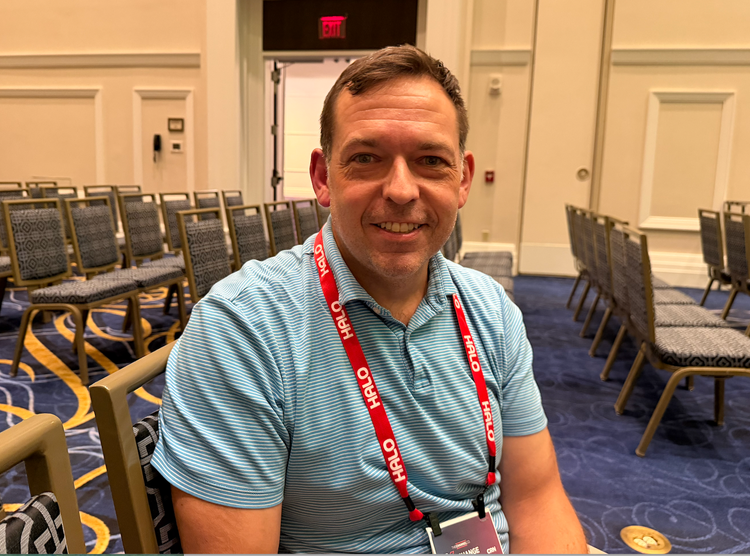
Theron McLarty
Founder, CEO
Skout Advisory
[Safe AI usage] is a top concern. In relation to data leakage, they want to make sure they understand what they’re uploading. Are they anonymizing? Are they reducing or removing any sensitive information before they upload information, and just throw it off to Anthropic? Even Copilot—it seems like there’s this narrative developing that Copilot is safer, and I’m fascinated by that. It’s interesting to try and help people understand that there are still data risks with all the different tools and that you have to maintain proper hygiene. If you’re dealing with sensitive information, the users should still have responsibility to anonymize the data before they submit it to a third-party AI tool.
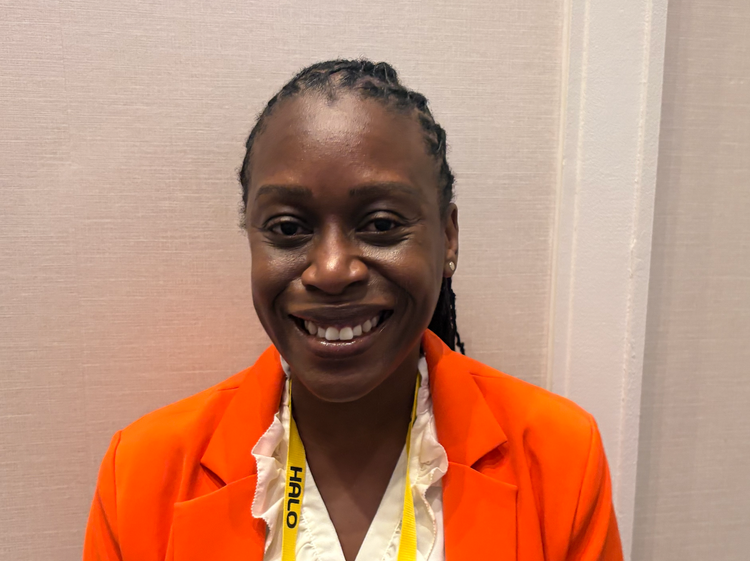
Amie Seisay
Founder, CEO
Seisay IT Solutions
We have a government client that already purchased Copilot licenses, so our team manages their entire Microsoft 365 tenant. Now the conversation is, “OK, we’re building these agents, but how do we deploy them to a specific SharePoint site?” Sometimes they have issues getting the agent deployed to the right SharePoint site. Other times, when the agent gets updated and they republish it, they have a hard time getting the latest skills and information to actually update. So a lot of the support is around managing those agents and making sure they’re deployed and updated properly.

Lonnie Sublett
Owner
LDS Networking
AI in any format. Automation is becoming much bigger than it was before. People weren’t willing to listen to things being automated, but now we’re seeing more and more people adopting it.
They’re asking, “How do I use it? What are the guardrails?” What scares me is they’re not asking enough about security. They just want access to it.
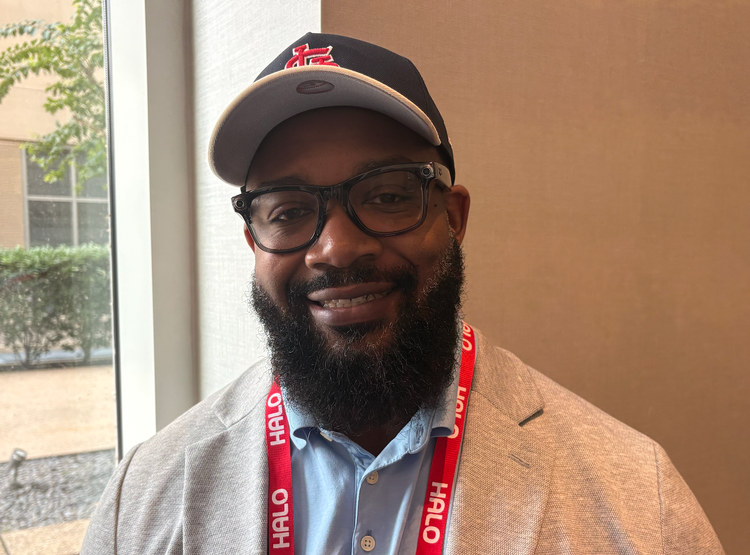
CTO
Stronghold Data
AI leadership, because things are changing so quickly. They want to understand how these agents actually work and, more importantly, how they’re going to work within their business. They’re asking how AI is going to work with their clients, how it’s going to work with their team members and what that’s ultimately going to look like across the organization. They want better instructions on how to actually utilize AI, but they want to start from the top-down perspective. They’re looking for that leadership and strategy around AI.
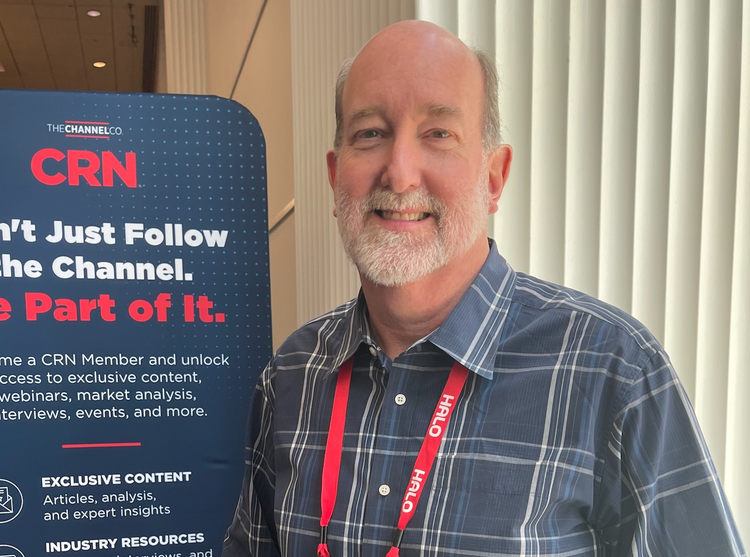
Paul Bush
Principal Consultant
OneSource Technology
Understanding how and where AI might fit in their business. Customers are just hearing about it more—either from business associates of theirs, friends at the country club, or something like that. So they’re more curious about what AI might be able to do for their business. We tell them it takes us some time to learn about what their business is and where AI actually might fit. So it’s engaging us with the customers at a deeper level than we were in the past.
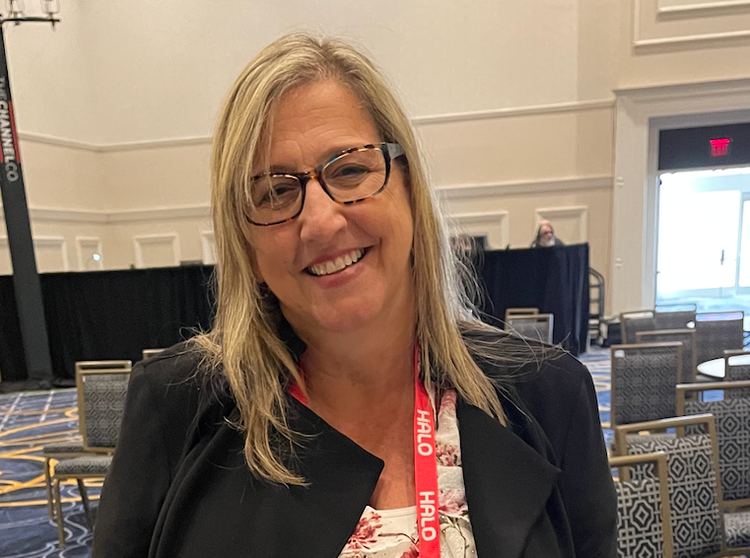
Mary Giardina
Operations Director
The Support Source
Hands down, it’s AI policies—100 percent. I think we set up a little bit of that expectation and education with our clients. We run regular webinar education for our clients, and we’ve always talked about IT policies. So now we’re going a step further into AI policies. By the end of last year, we implemented the necessary tools. We blocked all non-approved AI. Is that 100 percent foolproof? We run audits. So far, so good, but we’re not getting too comfortable.
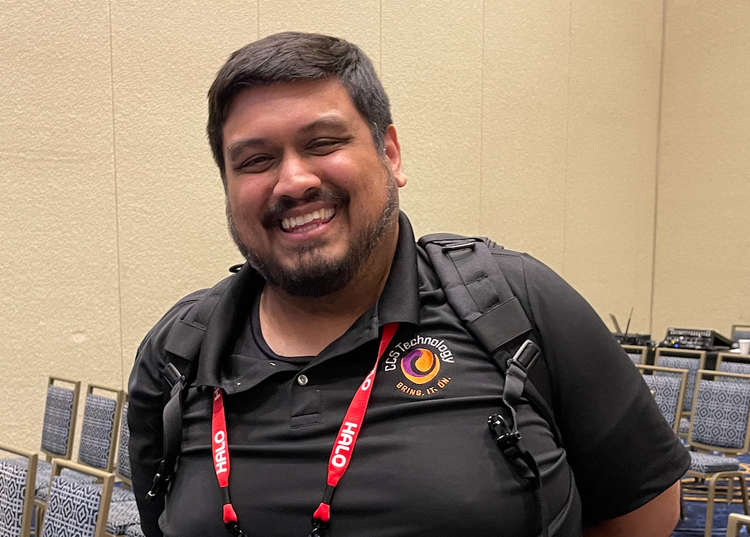
Alex Hussain
Service Manager
CCS Technology Group
I think it’s the two-letter word that everyone hears these days: AI, and how do I use it. The businesses we mostly service are in the manufacturing space, such as woodcutters or metal workers. We do have some property and real estate people, and a therapy health group. But no matter what business they are, they want to know about AI. It’s the buzzword that’s in the news and the headlines every day, and they’re definitely looking for someone to give them that guidance for that. And that’s something I’ve seen as a trend in all the keynotes and all the solution tracks that I’ve been a part of at XChange. Customers want us to be their partner now, not just their IT guys that come in for break-fix things.