CRN’s 2025 Products Of The Year
CRN staff compiled the top partner-friendly products that launched or were significantly updated over the last year and then turned to solution providers to choose this year’s winners.
And The Trophies Go To …
The CRN 2025 Products of the Year awards honor the leading partner-friendly IT products as selected by the solution providers that develop solutions and services around these products and bring them to their customers.
CRN editors selected finalists in 32 technology categories from products that were newly launched or updated between September 2024 and September 2025. The categories range from mainstay channel products in enterprise networking, enterprise storage, and power protection and management, to products in newer technology areas such as application performance and observability, artificial intelligence infrastructure and AI PCs.
We then asked solution providers to rate the products based on three subcategories: technology, revenue and profit, and customer need. Products with the highest overall score (the average of the three subcategory scores) in each product category was named the winner.
What follows are the winners, subcategory winners and finalists for 2025.
Jump to a category:
- Application Performance and Observability
- Artificial Intelligence: AI PCs
- Artificial Intelligence: Infrastructure
- Artificial Intelligence: Software
- Big Data
- Business Applications
- Business Intelligence and Data Analytics
- Desktop as a Service
- Edge Computing/Internet of Things
- Enterprise IT Management
- Hybrid Cloud Infrastructure
- MSP Platforms and Tools
- Networking—Enterprise
- Power Protection and Management
- Processors—CPUs
- Processors—GPUs
- Public Cloud Platforms
- Security—AI
- Security—Cloud and Application Security
- Security—Data Security
- Security—Email and Web Security
- Security—Endpoint Protection/Extended Detection and Response
- Security—Identity and Access Management
- Security—Managed Detection and Response
- Security—Network Security
- Security—Security Access Service Edge
- Security—Security Operations Platform/SIEM
- Storage—Cloud-Focused
- Storage—Data Protection, Management and Resiliency
- Storage—Enterprise-Class
- Unified Communications and Collaboration
- Virtualization
Application Performance and Observability
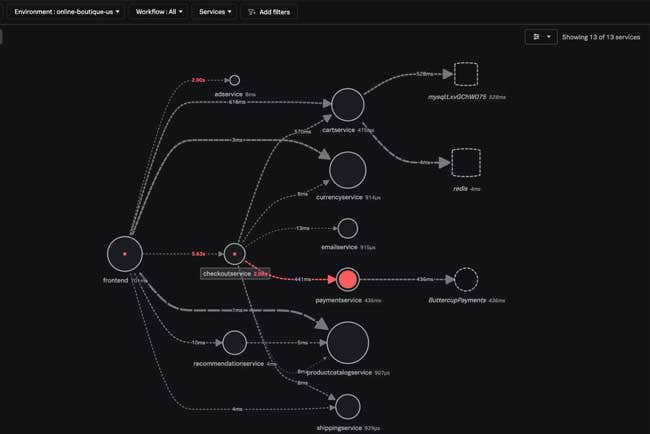
Winner Overall: Splunk Observability Cloud
Splunk Observability Cloud is a unified, integrated platform for monitoring the performance of IT infrastructure and applications in complex, distributed environments, including cloud systems and microservices. The system collects and analyzes metric, trace and log data (it incorporates the OpenTelemetry open-source framework for collecting, processing and exporting telemetry data) to provide full-stack visibility, helping IT teams identify and resolve problems to reduce downtime and improve user experience.
Splunk Observability Cloud scored highest overall in this technology category and highest for technology, revenue and profit, and customer need.
Finalist: Datadog Observability Platform
Finalist: Dynatrace
Finalist: HPE OpsRamp
Finalist: IBM Instana Observability
Finalist: LogicMonitor Envision
Finalist: New Relic Intelligent Observability Platform
Artificial Intelligence: AI PCs
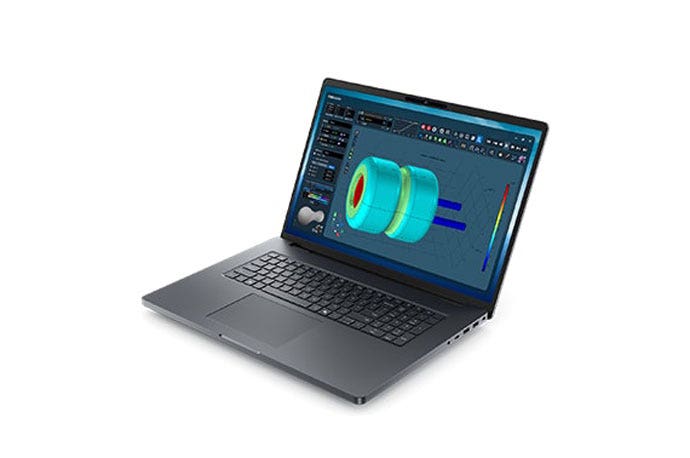
Winner Overall: Dell Pro Max 18 Plus
The Dell Pro Max 18 Plus is a high-performance, 18-inch mobile workstation for demanding workloads such as with advanced capabilities such as AI applications, data analytics, CAD and 3-D rendering. It incorporates Intel Ultra Core HX processors and Nvidia RTX Pro Blackwell graphics chips, and an 18-inch QHD+ display.
The Dell Pro Max 18 Plus scored highest overall in this technology category and highest for technology and customer need.
Subcategory Winner—Revenue and Profit: Acer Swift X 14 AI
Finalist: HP ZBook Fury G1i
Finalist: Lenovo ThinkBook 16p Gen 6
Finalist: Microsoft Surface Laptop 5G
Artificial Intelligence: Infrastructure
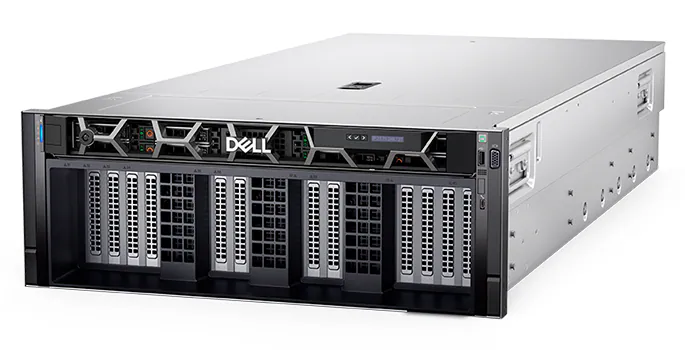
Winner Overall: Dell PowerEdge XE9685L Rack Server
The Dell PowerEdge XE9685L Rack Server, part of Dell Technologies’ PowerEdge server line, is a 4U rack server that the company says is designed for intensive AI, machine learning and high-performance computing workloads. The system incorporates dual AMD EPYC 9005 processors and up to eight Nvidia HGX B200 or H200 Tensor Core CPUs, a direct liquid cooling system, a high-density design and high-speed memory.
The Dell PowerEdge XE9685L Rack Server scored highest overall in this technology category and highest for technology and customer need.
Subcategory Winner—Revenue and Profit: HPE ProLiant Compute DL345 Gen12
Finalist: Cisco UCS C845A M8 Rack Server
Finalist: Lenovo ThinkSystem SC750 V4 Neptune Server
Finalist: Supermicro DLC-2 4U
Artificial Intelligence: Software
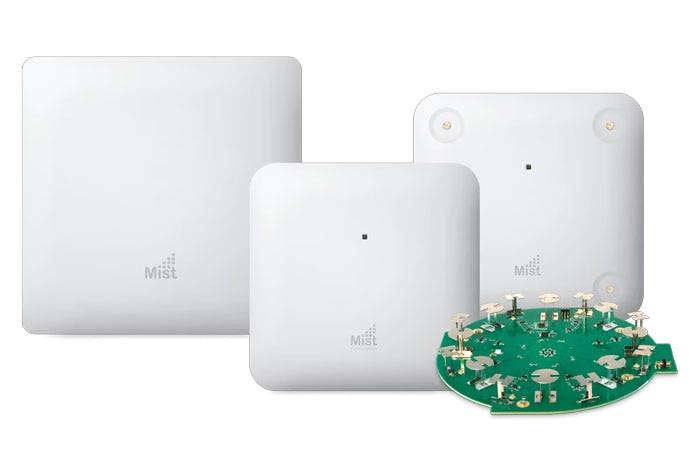
Winner Overall: HPE Juniper Mist
HPE Juniper Mist is an AI-native, cloud-based networking platform that uses AI and machine learning to automate, manage and secure enterprise networks from the client to the cloud. The system provides visibility, optimizes performance, and reduces troubleshooting time for wired, wireless and WAN networks. Juniper Mist was a key addition to HPE’s network product portfolio after it acquired Juniper Networks earlier this year.
HPE Juniper Mist scored highest overall in this product category, scored highest for technology and customer need, and tied for highest score for revenue and profit.
Subcategory Winner—Revenue and Profit: HPE Private Cloud AI (tie)
Finalist: Amazon Web Services Bedrock
Finalist: Cisco AI Canvas
Finalist: Google Gemini
Finalist: IBM Watsonx.ai
Finalist: Microsoft Copilot
Finalist: ServiceNow AI Agent Orchestrator
Big Data
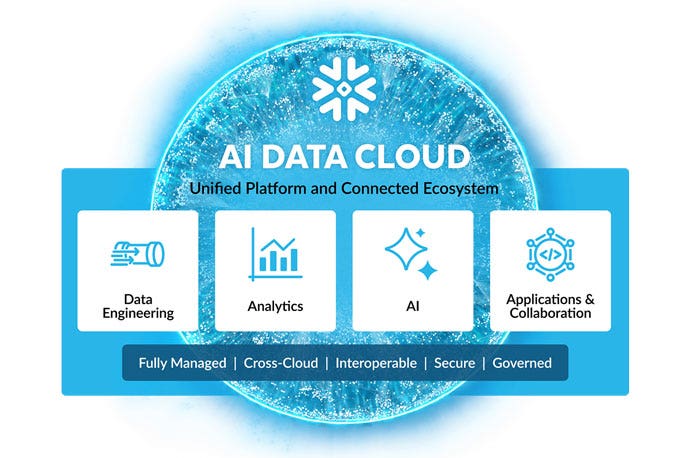
Winner Overall: Snowflake AI Data Cloud
The Snowflake AI Data Cloud combines Snowflake’s cloud-native architecture with a number of AI and machine learning capabilities that help organizations to securely unify, integrate, analyze and share data across multiple cloud systems and geographical regions. The platform powers a range of data-intensive workloads including data engineering, data lakes, cloud-based applications and application development, and AI and ML development and deployment.
Snowflake AI Data Cloud scored highest overall in this technology category and highest for technology, revenue and profit, and customer need.
Finalist: Amazon EMR
Finalist: Cloudera Data Platform
Finalist: Databricks Data Intelligence Platform
Finalist: HPE Data Fabric
Finalist: Microsoft Intelligent Data Platform
Finalist: Oracle Database
Business Applications
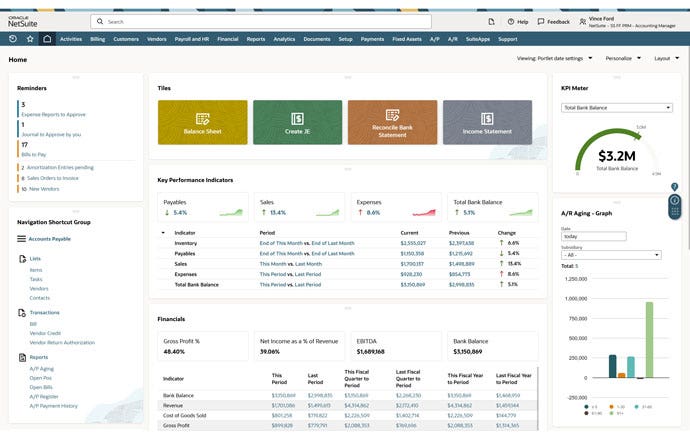
Winner Overall: Oracle NetSuite
Oracle NetSuite is a cloud-based suite of ERP applications that cover a range of business operations including financials, inventory management, CRM and e-commerce. In addition to automating business workflows, NetSuite offers a number of built-in capabilities including real-time analytics, project management and professional services automation. In October of this year Oracle unveiled NetSuite Next, a new generation of the software with built-in AI capabilities.
Oracle NetSuite scored highest overall in this technology category and highest for revenue and profit.
Subcategory Winner—Technology: Salesforce
Subcategory Winner—Customer Need: Microsoft Dynamics 365
Finalist: Epicor ERP
Finalist: Sage ERP/Sage Intacct
Finalist: SAP S/4HANA
Business Intelligence and Data Analytics
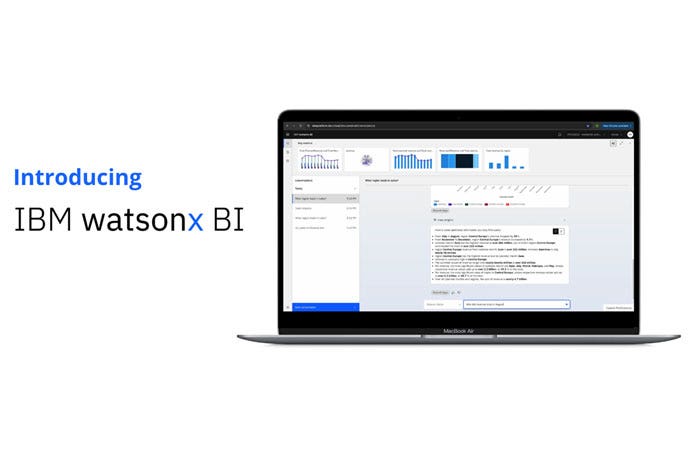
Winner Overall: IBM Watsonx BI
IBM says its Watsonx BI offering goes beyond traditional business intelligence dashboards, providing an AI-based “business insight agent” through which users analyze trusted data in context by asking conversational questions and receiving instant insight and actionable guidance. The software combines generative AI with a governed semantic layer and provides automated data preparation and a centralized metrics catalog.
IBM Watsonx BI scored highest overall in this technology category and highest for customer need.
Subcategory Winner—Technology: Domo (tie)
Subcategory Winner—Technology: Strategy One (tie)
Subcategory Winner—Revenue and Profit: Domo
Finalist: Amazon Redshift
Finalist: Google Cloud BigQuery
Finalist: Microsoft Power BI
Finalist: Qlik Sense
Finalist: ThoughtSpot Agentic Analytics Platform
Desktop as a Service
Winner Overall: Microsoft Azure Virtual Desktop
Microsoft Azure Virtual Desktop is a cloud-based service that provides virtualized desktops and applications, allowing users to access them from anywhere, using any client device. AVD simplifies IT management tasks because only the application images and virtual machines need to be managed while the Azure infrastructure is managed by Microsoft.
Microsoft Azure Virtual Desktop scored highest overall in this technology category and highest for technology, and revenue and profit.
Subcategory Winner—Customer Need: Amazon Workspaces
Finalist: Citrix DaaS
Finalist: Omnissa Horizon
Edge Computing and Internet of Things
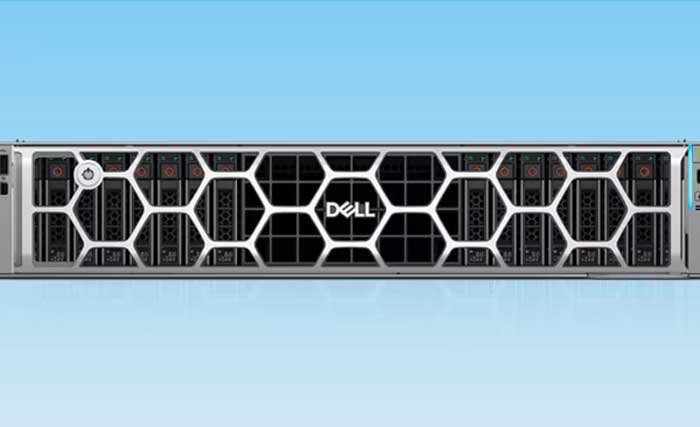
Winner Overall: Dell PowerEdge
The Dell PowerEdge line of high-performance compute servers is designed for a wide range of workloads including high-performance computing, database management, virtualization, complex analytics, AI applications and web hosting. The servers feature a consistent chipset across each generation, simplifying management tasks, and are available in tower, rack-mounted and blade server form factors.
Dell PowerEdge scored highest overall in this technology category and highest for technology and customer need.
Subcategory Winner—Revenue and Profit: Supermicro SYS-112D
Finalist: Aeris IoT Watchtower
Finalist: Digi International Digi X-ON
Finalist: HPE ProLiant Compute DL145 Gen 11

Enterprise IT Management
Winner Overall: Red Hat Ansible
The Red Hat Ansible automation platform is used to centralize and streamline IT operations across an organization. The system is used to create, manage and scale automated tasks for managing IT infrastructure, configuring systems, deploying applications and orchestrating IT workflows.
Red Hat Ansible scored highest overall in this technology category and highest for technology, revenue and profit, and customer need.
Finalist: Cisco Thousand Eyes
Finalist: Dell OpenManage
Finalist: Flexera One
Finalist: HP Workforce Experience Platform
Finalist: HPE Morpheus Enterprise Software
Finalist: IBM Turbonomic
Finalist: Microsoft Intune
Hybrid Cloud Infrastructure
Winner Overall: Red Hat OpenShift
Red Hat OpenShift is a unified application development platform for building, modernizing and deploying enterprise applications at scale across on-premises and hybrid cloud environments. OpenShift incorporates the Kubernetes container system for deploying and managing containerized applications. It also includes built-in tools, such as automated CI/CD pipelines, to simplify application development life cycles.
Red Hat OpenShift scored highest overall in this technology category and highest for technology, revenue and profit, and customer need.
Finalist: Broadcom VMware Cloud Foundation 9.0
Finalist: Dell Apex Hybrid Cloud
Finalist: HPE GreenLake
Finalist: Nutanix Cloud Platform
Finalist: Scale Computing Platform
MSP Platforms
Winner Overall: Rewst
The Rewst low-code, robotic process automation (RPA) platform is designed to help MSPs automate manual tasks and processes. Using Rewst, MSPs can build and deploy automated workflows, integrate with other tools, and use prebuilt, configurable automations called “crates” for common MSP use cases.
Rewst scored highest overall in this technology category and highest for technology, revenue and profit, and customer need.
Finalist: Acronis RMM
Finalist: Atera Autopilot
Finalist: ConnectWise Asio
Finalist: HaloPSA
Finalist: Kaseya 365
Finalist: N-able N-central
Finalist: NinjaOne
Finalist: Syncro XMM Platform
Networking—Enterprise
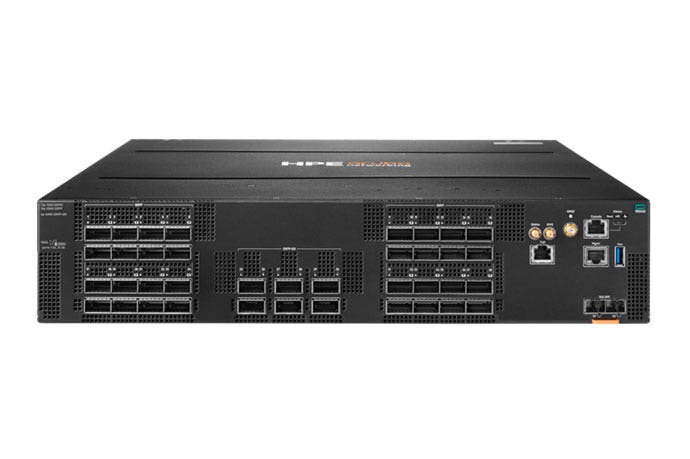
Winner Overall: HPE Aruba Networking CX 10040
The HPE Aruba Networking CX 10040 is a high-performance distributed services “smart switch” for data centers and campuses that require advanced networking and security. Introduced in May 2025, the CX 10040 doubles the scale and performance of the earlier-generation CX 10000 and is designed for higher-end use cases such as service provider or enterprise colocation environments.
The HPE Aruba Networking CX 10040 scored highest overall in this technology category and highest for technology, revenue and profit, and customer need.
Finalist: Cisco C9350/C9619 Smart Switches
Finalist: Cisco Secure Routers (8100, 8200, 8300, 8400 and 8500)
Finalist: Extreme Networks Extreme Platform ONE
Finalist: Extreme Platform ONE Security (previously known as Extreme Cloud Universal ZTNA)
Finalist: F5 Application Delivery and Security Platform (ADSP)
Finalist: Meter Enterprise Networking Solution
Power Protection and Management
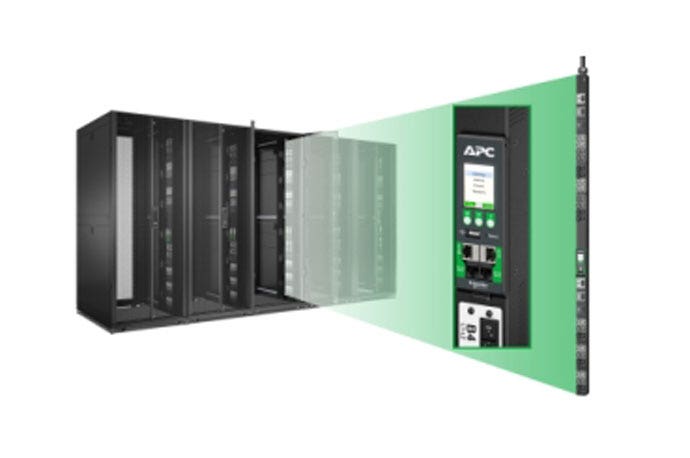
Winner Overall: Schneider Electric NetShelter Rack PDU Advanced
The Schneider Electric NetShelter Rack PDU Advanced is an intelligent power distribution unit designed for high-density data center environments. The system provides power to rack-mounted IT equipment and features such capabilities as remote power monitoring and control, high outlet density, flexible 4-in-1 combination outlets, and environmental monitoring sensor ports.
Schneider Electric NetShelter Rack PDU Advanced scored highest overall in this technology category and highest for revenue and profit.
Subcategory Winner—Technology: Vertiv PowerUPS 9000
Subcategory Winner—Customer Need: Eaton 9PX Gen2
Processors: CPUs
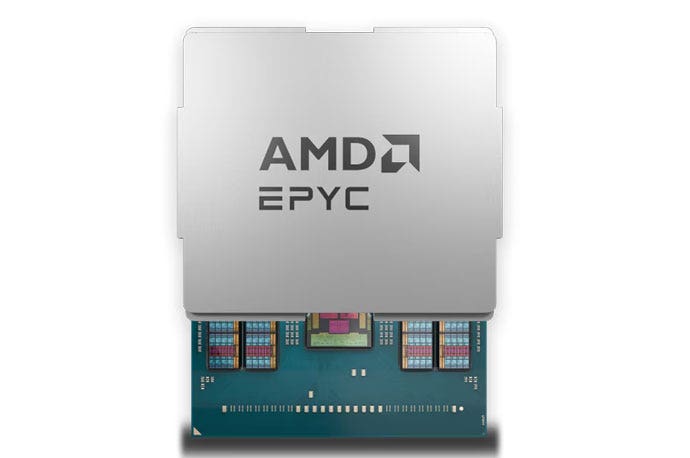
Winner Overall: AMD EPYC 9005 Series
The fifth generation of the AMD EPYC processor line, the EPYC 9005 Series, was introduced in October 2024. The CPUs incorporate a hybrid, multi-chip design and Zen 5 and Zen 5c processor cores to provide performance, density and efficiency for data center, virtualized and cloud environments, as well as supporting new AI workloads.
The AMD EPYC 9005 Series scored highest overall in this technology category and highest for technology, revenue and profit, and customer need.
Finalist: AMD Ryzen Threadripper 9000 WX-Series
Finalist: Intel Core Ultra 200V Series
Finalist: Intel Xeon 6 with P-cores
Finalist: Qualcomm Snapdragon X
Processors: GPUs
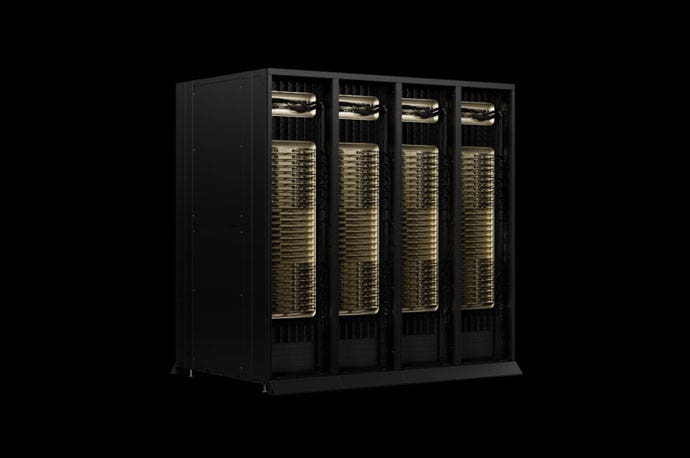
Winner Overall: Nvidia B300/GB300
The Nvidia B300 was Nvidia’s flagship GPU product in the second half of 2025, providing high performance, memory capacity and bandwidth for AI supercomputing tasks. The chipmaker touted the B300’s capabilities as optimized for the demanding workloads of large language model reasoning. (The GB300 rack-scale platform, incorporating the B300 chip, functions as a single, massive GPU.)
Nvidia B300/GB300 scored highest overall in this technology category.
Subcategory Winner—Technology: Intel ARC B580
Subcategory Winner—Revenue and Profit: AMD Instinct MI355X (tie)
Subcategory Winner— Revenue and Profit: AMD Radeon AI Pro R9700 (tie)
Subcategory Winner— Revenue and Profit: Intel ARC B580 (tie)
Subcategory Winner—Customer Need: Nvidia RTX Pro 6000 Blackwell, Server Edition
Public Cloud Platforms
Winner Overall: Google Cloud Platform
The Google Cloud Platform (GCP) is one of the “Big Three” of the industry’s leading cloud hyperscalers, providing an alternative to on-premises data centers for building, deploying and managing IT applications and services, and storing and managing data. Google is in the process of acquiring cloud security startup Wiz for $32 billion in a move to boost GCP’s cloud security capabilities.
Google Cloud Platform scored highest overall in this technology category and highest for technology and revenue and profit, and tied for customer need.
Subcategory Winner—Customer Need: Microsoft Azure (tie)
Finalist: Amazon Web Services Cloud
Finalist: IBM Cloud
Finalist: Oracle Cloud Infrastructure
Finalist: OVHcloud Public Cloud

Security: AI
Winner Overall: Cyera AI Guardian
Cyera AI Guardian is a suite of AI security products designed to protect enterprises as they accelerate the rollout of AI applications and agents. The software provides visibility and security controls for multiple types of AI technologies including public AI systems like ChatGPT, embedded AI such as Microsoft Copilot, and custom-developed AI systems. Core components of Cyera product include AI Security Posture Management (AI-SPM) for discovering AI assets and data access, and AI Runtime Protection for threat detection and response.
Cyera AI Guardian scored highest overall in this technology category and highest for revenue and profit.
Subcategory Winner—Technology: CrowdStrike Falcon Cloud Security AI-SPM
Subcategory Winner—Customer Need: CrowdStrike Falcon Cloud Security AI-SPM
Finalist: Cisco AI Defense
Finalist: Orca Security AI-SPM
Finalist: Palo Alto Networks Prisma AIRs
Finalist: Wiz AI-SPM
Finalist: Zscaler AI Guard
Security: Cloud and Application Security
Winner Overall: CrowdStrike Falcon Cloud Security
CrowdStrike Falcon Cloud Security is a unified cloud-native platform for securing cloud workloads, containers and identities. The system simplifies and automates cloud security by providing end-to-end visibility and protection across hybrid cloud environments. Capabilities include cloud security posture management, cloud workload protection, and cloud detect and response.
CrowdStrike Falcon Cloud Security scored highest overall in this technology category and highest for technology, revenue and profit, and customer need.
Finalist: Orca Cloud Security Platform
Finalist: Palo Alto Networks Cortex Cloud
Finalist: SentinelOne Singularity Cloud Security
Finalist: Snyk AI Trust Platform
Security: Data
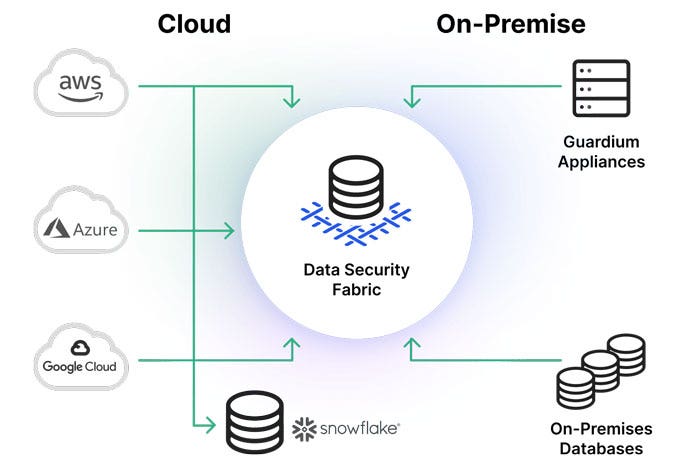
Winner Overall: IBM Guardiam Data Protection
The IBM Guardiam Data Protection data security platform identifies, classifies and protects data across hybrid cloud environments. It monitors data activity in real time to help organizations comply with regulations, detect threats and manage vulnerabilities. The system enforces policies for sensitive data access, including masking or quarantining data based on risk, and aids regulatory compliance tasks by automating the collection of audit data and generating reports.
IBM Guardium Data Protection scored highest overall in this technology category and highest for customer need and tied for revenue and profit.
Subcategory Winner—Technology: Zscaler Data Protection
Subcategory Winner—Revenue and Profit: Cyera Data Security (tie)
Finalist: Proofpoint Unified Data Security Protection
Finalist: Rubrik Security Cloud
Finalist: Wiz DSPM
Security: Email and Web Security
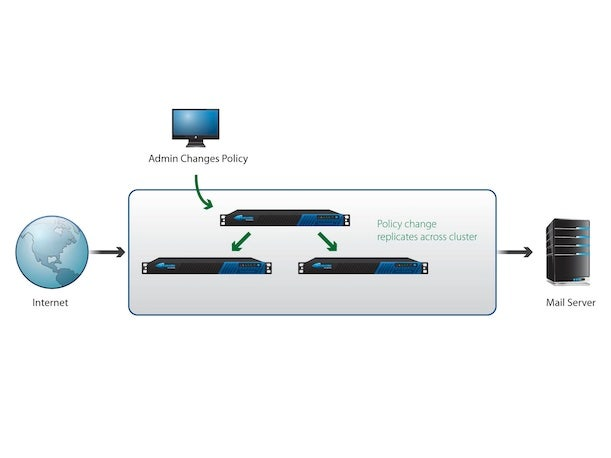
Winner Overall: Barracuda Email Protection
The Barracuda Email Protection suite of cloud-based security software protects organizations from email-based threats including malware, phishing and business email compromise. The solution uses a multilayered approach including AI-powered threat detection, spam filtering and advanced threat protection to secure both incoming and outgoing email. It also provides post-delivery remediation, removing threats that have already been delivered to someone’s inbox.
Barracuda Email Protection scored highest overall in this technology category and highest for revenue and profit.
Subcategory Winner—Technology: Cloudflare Application Security
Subcategory Winner—Customer Need: Cloudflare Application Security
Finalist: Abnormal AI Cloud Email Security
Finalist: Inky Behavioral Email Security Platform
Finalist: Mimecast Advanced Email Security
Finalist: Proofpoint Prime Threat Protection
Security: Endpoint Protection
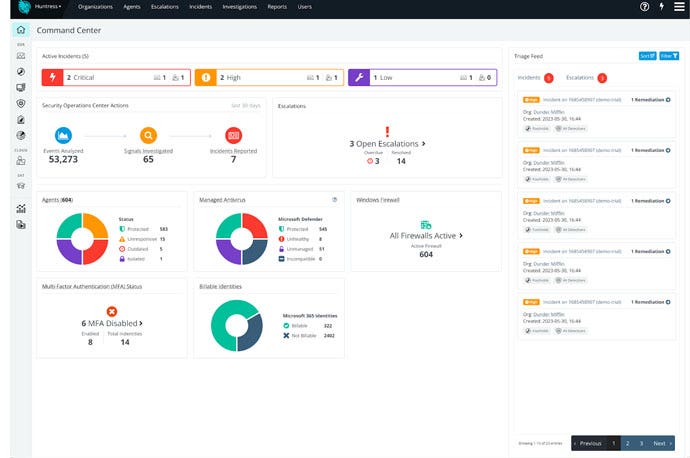
Winner Overall: Huntress Managed EDR
The Huntress Managed EDR is a cybersecurity offering that combines automated endpoint detection and response (EDR) technology with 24x7 Security Operations Center (SOC) services to detect and halt cyberthreats. It detects malicious activity on endpoints using behavioral analysis and machine learning and provides analysis and guided remediation to stop attacks before they cause significant damage.
Huntress Managed EDR scored highest overall in this technology category and highest for technology.
Subcategory Winner—Revenue and Profit: ESET Protect
Subcategory Winner—Customer Need: ThreatLocker Protect
Finalist: CrowdStrike Falcon Platform
Finalist: SentinelOne Singularity Platform
Finalist: Sophos XDR
Security: Identity and Access Management
Winner Overall: SailPoint Identity Security Cloud
The SailPoint Identity Security Cloud Software as a Service, built on the SailPoint Atlas platform, helps organizations manage and secure access to applications and data across an entire IT estate, including on-premises and cloud environments. It uses AI and automation to streamline identity and access management processes and automate tasks such as user provisioning and deprovisioning.
SailPoint Identity Security Cloud scored highest overall in this technology category and highest for revenue and profit and for customer need.
Subcategory Winner—Technology: Okta Platform
Finalist: CrowdStrike Falcon Next-Gen Identity
Finalist: CyberArk Identity Security Platform
Finalist: Microsoft Entra ID
Finalist: Ping Identity Platform
Security: Managed Detection and Response
Winner Overall: Arctic Wolf MDR
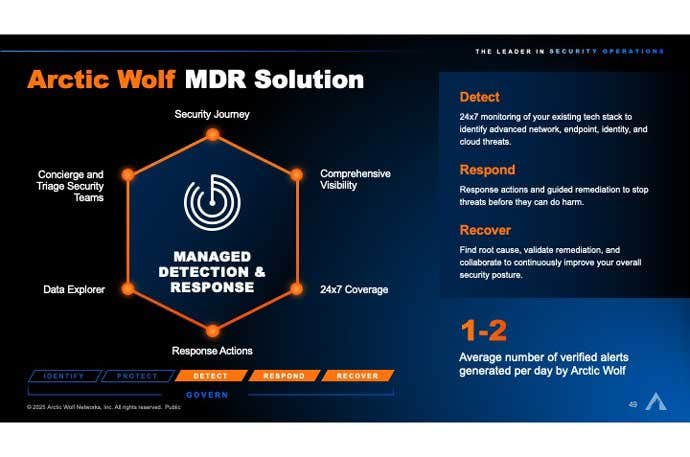
Arctic Wolf’s managed detection and response service provides 24x7 monitoring of networks, endpoints and cloud environments to detect, contain, respond to and remediate cyberattacks. Arctic Wolf MDR combines Security Operations Center (SOC) tools and sensors, along with a security team, to monitor an organization’s IT environment. The company says that MDR addresses the cybersecurity challenges of evolving threats, escalating costs and a shortage of trained security professionals.
Arctic Wolf MDR scored highest overall in this technology category and highest for technology.
Subcategory Winner—Revenue and Profit: Sophos MDR
Subcategory Winner—Customer Need: CrowdStrike Falcon Complete Next-Gen MDR
Finalist: OpenText MDR
Finalist: Red Canary MDR
Finalist: ThreatLocker Cyber Hero MDR
Security: Network
Winner Overall: WatchGuard ThreatSync+ NDR
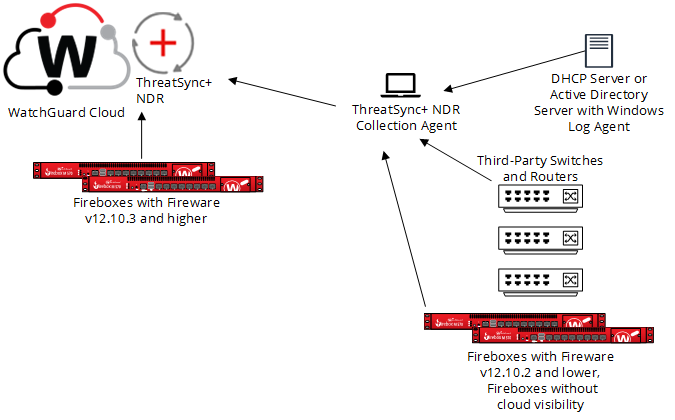
The WatchGuard ThreatSync+ NDR hybrid network defense security service detects and responds to advanced threats across a network. The product monitors internal and external network traffic to identify anomalies and malicious activity that may bypass perimeter defenses. ThreatSync+ NDR provides consolidated alerts, threat analysis, and automation for remediation to help security teams quickly identify and mitigate risks across their network, cloud, user and IoT environments.
WatchGuard ThreatSync+ NDR scored highest overall in this technology category and highest for technology, and for revenue and profit.
Subcategory Winner—Customer Need: Fortinet FortiGate
Finalist: Cisco Hypershield
Finalist: Juniper Secure AI-Native Edge Solution
Finalist: SonicWall Generation 8 Firewalls
Finalist: Sophos XGS Series Firewalls
Security: Security Access Service Edge
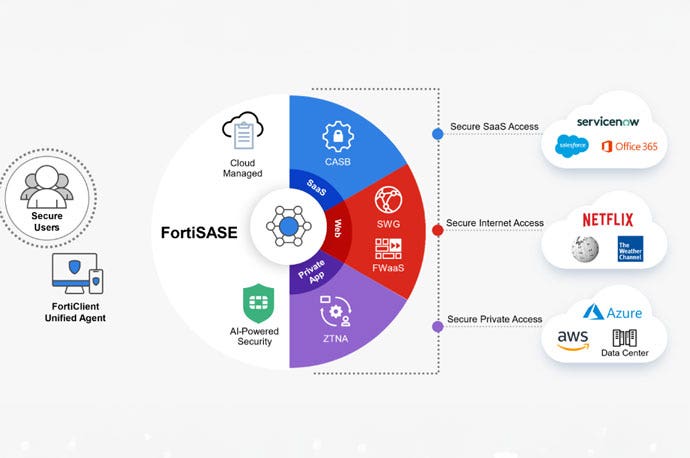
Winner Overall: Fortinet FortiSASE
Fortinet’s cloud-delivered Secure Access Service Edge platform unifies networking and security capabilities to provide secure access to the internet, cloud systems and applications. The software, which combines security service edge (SSE) and SD-WAN, simplifies security management by extending security functions such as firewalls, threat protection and web filtering for remote workers.
Fortinet FortiSASE scored highest overall in this technology category and highest for revenue and profit and tied for customer need.
Subcategory Winner—Technology: HPE Aruba Networking EdgeConnect
Subcategory Winner—Customer Need: Palo Alto Networks Prisma SASE (tie)
Finalist: Cato SASE Cloud Platform
Finalist: Cisco SASE
Finalist: Netskope One SASE
Finalist: Zscaler Zero Trust SASE
Security: Security Operations Platform/SIEM
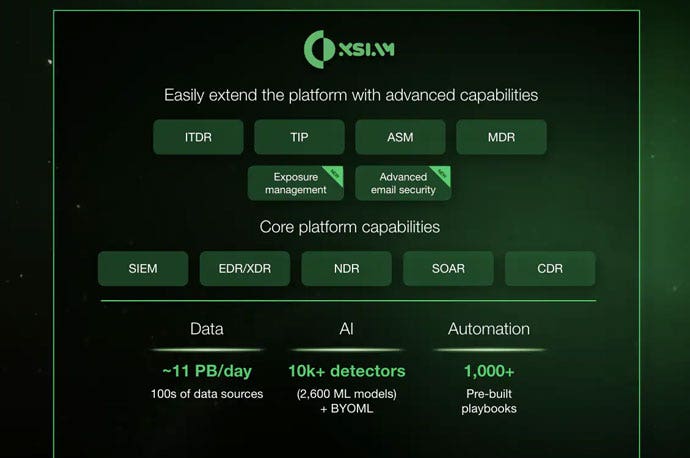
Winner Overall: Palo Alto Networks Cortex XSIAM 3.0
Palo Alto Networks Cortex XSIAM 3.0, launched in April 2025, is an AI-driven security operations (SecOps) platform that unifies proactive and reactive security measures to automate and accelerate threat detection and response across an organization’s entire environment. The 3.0 release expands the product’s real-time response functionality to provide more proactive defense capabilities. Other new features include Cortex Exposure Management and Cortex Advanced Email Security.
Palo Alto Networks Cortex XSIAM 3.0 scored highest overall in this technology category and highest for technology, revenue and profit, and customer need.
Finalist: Arctic Wolf Aurora Platform
Finalist: CrowdStrike Falcon Next-Gen SIEM
Finalist: Exabeam New-Scale Fusion
Finalist: Huntress Managed SIEM
Finalist: Splunk Enterprise Security
Storage: Cloud-Focused
Winner Overall: Pure Storage Enterprise Data Cloud
The Pure Storage Enterprise Data Cloud, introduced in June 2025, provides a data management architecture that creates a unified, virtualized data cloud across on-premises, public and hybrid cloud environments. It allows IT to manage data centrally with a single control plane, shifting the focus to managing data rather than storage hardware. The company’s Pure Fusion technology, which unifies storage as a pool of data resources, is at the core of the system.
Pure Storage Enterprise Data Cloud scored highest overall in this technology category and highest for technology.
Subcategory Winner— Revenue and Profit: NetApp ONTAP
Subcategory Winner—Customer Need: Hitachi Vantara Virtual Storage Platform One
Finalist: Wasabi Hot Cloud Storage
Storage: Data Protection, Management and Resiliency
Winner Overall: Veeam Data Cloud
The Veeam Data Cloud is a Backup-as-a-Service platform that provides managed data resilience and backup and recovery for cloud-based data. It provides secure protection for workloads such as Microsoft 365, Microsoft Azure and Salesforce. The system’s software, infrastructure and storage are managed by Veeam.
Veeam Data Cloud scored highest overall in this technology category and highest for revenue and profit and for customer need.
Subcategory Winner—Technology: Commvault Cloud Platform
Finalist: Arctera Insight Platform
Finalist: Cohesity NetBackup
Finalist: Dell PowerProtect Data Domain DD6410
Finalist: HPE Zerto Software
Finalist: HYCU Data Resiliency Cloud
Finalist: Komprise Elastic Data Migration
Finalist: Quantum DXi T-10-480
Storage: Enterprise-Class
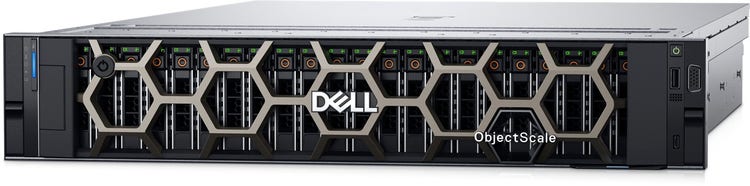
Winner Overall: Dell ObjectScale
Dell ObjectScale is Dell Technologies’ enterprise-grade, cloud-scale object storage platform that the company says is designed to provide public cloud-class object storage in on-premises systems. The scalable, S3-compatible storage system is used for a range of high-performance workloads including data lakes for AI, data backup, archiving and content delivery.
Dell ObjectScale scored highest overall in this technology category, highest for technology and tied for customer need.
Subcategory Winner—Revenue and Profit: NetApp AFF A-Series/C-Series
Subcategory Winner—Customer Need: DDN Infinia (tie)
Finalist: Graid Technology SupremeRAID
Finalist: HPE Alletra Storage MP B10000
Finalist: Pliops XDO LightningAI
Finalist: Pure Storage FlashArray/FlashBlade
Unified Communications and Collaboration
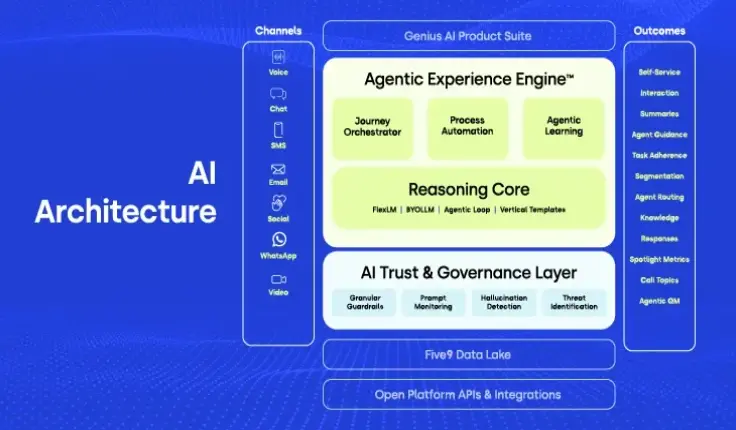
Winner Overall: Five9 Agentic CX
The Five9 Agentic CX customer experience platform, introduced in June 2025, utilizes advanced AI agents to automate and improve customer interactions. The product’s ability to reason, decide and take action are deeply integrated with contact center operations, according to Five9.
Five9 Agentic CX scored highest overall in this technology category, tied for technology and scored highest for revenue and profit.
Subcategory Winner—Technology: Intermedia Contact Center for Microsoft Teams (tie)
Subcategory Winner—Customer Need: Intermedia Contact Center for Microsoft Teams
Finalist: Cisco Webex AI Agent
Finalist: Intermedia AI Agent Assist
Finalist: NiCE CXone Mpower
Finalist: RingCentral AI Receptionist (AIR)
Finalist: Talkdesk AI Agents for Voice
Virtualization
Winner Overall: Microsoft Hyper-V
Hyper-V is Microsoft’s enterprise-grade hypervisor technology that’s built into Windows and Windows Server, providing hardware virtualization capabilities for creating, running and managing virtual machines at scale. Hyper-V, according to Microsoft, virtualizes compute workloads to maximize hardware utilization, streamline IT operations and enhance business continuity.
Microsoft Hyper-V scored highest overall in this technology category and highest for technology, revenue and profit, and customer need.
Finalist: VMware vSphere Foundation 9.0
Finalist: HPE VM Essentials
Finalist: Promox Virtual Environment 9.0