Exclusive: GTIA Acquires ASCII Group, Betting Two MSP Communities Can Make ‘One Plus One Equal Three’
‘We are going to maintain the events, the edge, the peer connections, the vendor relationships, the tools, resources, while adding additional resources and commitment to all of those things through GTIA and our resources, as well as the GTIA membership. Bigger and better. We certainly don’t plan to do any less. We plan to expand it,’ says GTIA CEO Dan Wensley.
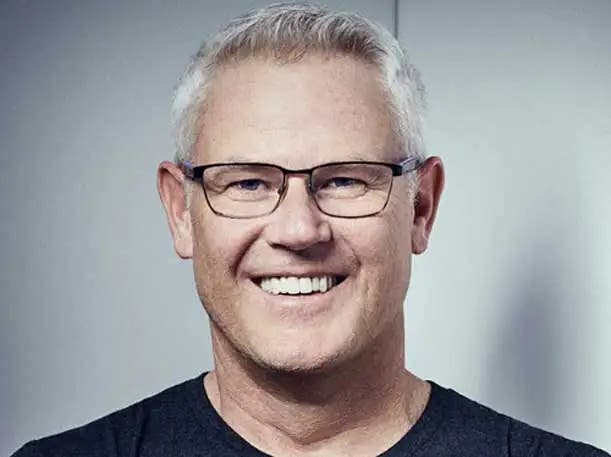
The Global Technology Industry Association has acquired The ASCII Group, uniting GTIA’s research, education, cybersecurity and advocacy muscle with ASCII’s regional event network and peer-led MSP community.
For GTIA CEO Dan Wensley, the acquisition was all about preserving what already works and then putting more resources behind it.
“This is a win-win for both of these communities,” he told CRN in an exclusive interview. “We see that one and one equals three here, the opportunity to strengthen the membership of both GTIA and the ASCII community simultaneously.”
[Related: GTIA CEO: ‘We Need Every Voice At The Table’ As AI Reshapes Channel]
The acquisition marks the next chapter for ASCII, which was founded by the late Alan D. Weinberger in 1984, whas spent four decades building a community around the idea that MSPs can grow by sharing experiences, solving problems together and building relationships with peers and vendors.
Wensley said GTIA’s board approved the acquisition in part because of the significance of that legacy. Terms of the deal were not disclosed.
“We respectfully understood the value of this 40-year-long community,” Wensley said. “We also highly respected Alan Weinberger’s legacy and the family who continued to run it. So GTIA stepped up and our board passionately approved the funds to be able to make this a purchase that set Alan’s legacy in the proper trajectory.”
The deal adds about 1,000 ASCII members to GTIA’s member ecosystem, which includes hundreds of thousands of professionals from about 3,000 MSPs, vendors and distributors.
“Stronger communities create stronger businesses,” Jerry Koutavas, CEO of The ASCII Group, said in a statement. “ASCII and GTIA have built a lasting relationship throughout our shared history in the industry, most recently strengthened through GTIA’s groundbreaking AI research presented at every ASCII Edge event. Bringing our communities together is the natural next step, expanding collaboration, combining complementary strengths and delivering greater value to every member.”
Three ASCII employees are coming over in the deal, and the ASCII brand will remain as well as the regional events. Under the deal, all ASCII members will automatically become GTIA members at no additional cost, gaining access to broader research, content and educational tools.
For existing ASCII members, dues will drop around 25 percent, according to Wensley. “We’re doing nothing but lowering costs, making more investment and adding incremental value,” he said.
Just as important is what won’t change.
“We are going to maintain the events, the edge, the peer connections, the vendor relationships, the tools, resources, while adding additional resources and commitment to all of those things through GTIA and our resources, as well as the GTIA membership,” he said of ASCII. “Bigger and better. We certainly don’t plan to do any less. We plan to expand it.”
Wensley said expansion could look like higher investment in existing events and potentially taking the ASCII model into international markets.
“It’s all about member value and growth, period,” he said. “Did the members get more incremental value thanks to the acquisition made by GTIA, and are more MSPs joining and becoming members and reaping those benefits? That’s the pure measurement of success for this.”
GTIA Board Member Rob Rae has spent more than a decade watching both organizations develop. As corporate vice president of community and partner experience at Denver-based Pax8, he’s also participated in numerous ASCII events firsthand and sees the merger as a natural pairing.
“I’ve been involved with both communities for well over a decade,” he told CRN. “I think that pulling these two together, it’s like two very, very strong pieces that complement each other quite well.”
A year from now, Rae expects the combined organization to be delivering more vendor-neutral education and more mature events.
“I see GTIA bringing a ton more education to the actual MSP channel,” he said. “And I see MSPs having more confidence going into new paths they haven’t been down before.”
ASCII Member Sees Merger As Opportunity To Strengthen Community
ASCII board member David Stinner, president and founder of US Itek, called the acquisition “the best possible outcome” for ASCII’s legacy, particularly because of the opportunity to preserve and expand the peer relationships that have defined the organization.
“You just really benefit so much more by being open about your business than being closed-minded,” he told CRN. “ASCII really is the catalyst for bringing all these people together.”
That emphasis on community resonates with Stanley Louissaint, founder and president of Fluid Designs and an ASCII member, who sees the deal as a way to preserve what has made ASCII valuable, particularly following the death of founder Weinberger.
“With Alan’s passing, to me, I felt that a little bit of the heart of the organization is gone,” he said. “So I think merging in with a bigger entity that can provide ASCII the support it needs is a positive thing.”
For Louissaint, however, preserving the community is only the starting point. He wants the camaraderie among members to become even stronger.
Marc Menzies, CEO of Overview Technology Solutions and a GTIA member, sees that two-way exchange as one of the deal’s biggest opportunities.
“ASCII is a household name that everybody knows,” Menzies said. “GTIA has a ton of resources that they can use to bring awareness to GTIA through the ASCII events, so this is beneficial for the community in a ton of ways.”
Fellow GTIA member Juan Mack, technology and business operations manager at Matrix Integration, points to another part of ASCII’s appeal: its regional, relatively intimate event format.
“I really like their format, at least what I’ve experienced, because you still get that feeling of community,” Mack said. “Since they’re regional, they’re a little bit smaller, so a little bit more intimate.”
That accessibility could become particularly valuable if GTIA expands ASCII’s reach, he added. Members can attend events in smaller cities without the time and expense associated with larger national conferences. “It’s just one day, it’s easier, it’s more cost-effective, and I’m able to justify it,” he said.
For Henry Timm, CEO of Phantom Technology Solutions and a member of both organizations, the deal gives the channel a stronger collective voice.
“I’m optimistic about the combined footprint and what it can mean for the industry,” he told CRN.
Because Timm belongs to both organizations, he said he sees benefits for each membership base. ASCII members will gain access to additional resources and a broader community, while GTIA members will gain a closer understanding of the day-to-day realities facing MSPs.
“For the ASCII members, the message is that they now have access to a whole slew of great resources and an additional community,” Timm said. “For the GTIA members, I think it gives them a better footing and understanding of the boots-on-the-ground MSP practitioner.”
For Wensley, that combination of global scale, local connection, research and practical execution is what the acquisition is all about.
“This was really done to make one and one equal three,” he said. “And not allow members just to be siloed into a certain segment.”