Nvidia: Blackwell Ultra Takes Lead In Driving 62 Percent Growth To Record Revenue
Nvidia’s record data center revenue was mostly driven by the company’s Blackwell Ultra GPU platform, which its CFO, Colette Kress, says is ‘now our leading architecture across all customer categories’ after launching earlier this year.
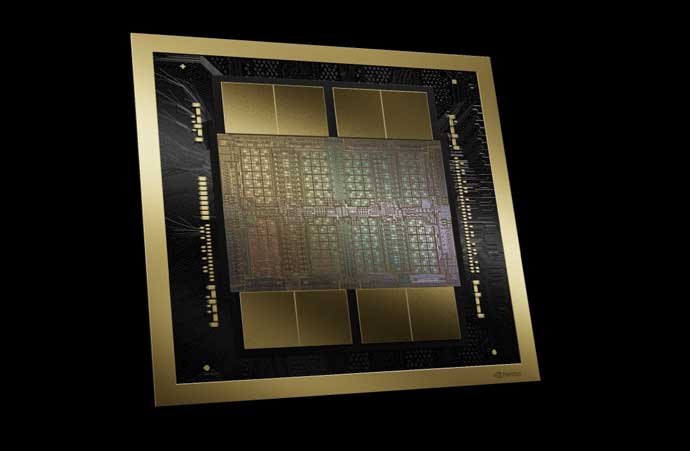
Nvidia said Wednesday that third-quarter revenue grew to a record $57 billion, marking a 62 percent year-over-year increase that was largely driven by sales of the company’s Blackwell and Blackwell Ultra GPU platforms.
In its third-quarter earnings release, the AI infrastructure giant also said that net income jumped by 59 percent year over year and 23 percent sequentially to $31.9 billion while its earnings per share grew 60 percent year over year to 24 percent sequentially to $1.30—both on a non-GAAP basis. Revenue was 22 percent higher than last quarter.
[Related: AMD Sees ‘Very Clear Path’ To Double-Digit Share In Nvidia-Dominated Data Center AI Market]
“Demand for AI infrastructure continues to exceed our expectations. The clouds are sold out, and our GPU installed base—both new and previous generations, including Blackwell, Hopper and Ampere—is fully utilized,” Nvidia CFO Colette Kress said on its earnings call.
Nvidia’s quarterly revenue was roughly $1.9 billion higher than the average estimate of Wall Street analysts but fell short of the high-end estimate by approximately $1.3 billion, according to Yahoo Finance. Its earnings per share came in 4 cents higher than the average analyst consensus but was below the high-end expectation by just as much.
Back in August, the company estimated that it would make $54 billion in revenue for the third quarter, plus or minus 2 percent.
As for the fourth quarter, Nvidia said it expects revenue to reach $65 billion, plus or minus 2 percent. At the midpoint, this would amount to a 65 percent year-over-year increase and a 14 percent increase from the previous quarter.
Wall Street responded well to Nvidia’s earnings, sending the company’s stock price up more than 5.5 percent in after-hours trading.
The release came out after Nvidia announced a series of major deals—sometimes involving investments by the company—with several major and influential AI players, including OpenAI, Anthropic, CoreWeave and xAI, since its last quarterly report in August.
Most of Nvidia’s third-quarter revenue came from the data center segment, which grew 66 percent year over year and 25 percent sequentially to a record $51.2 billion, amounting to nearly 90 percent of total sales for the period.
The data center revenue was mostly driven by the company’s Blackwell Ultra GPU platform, which Kress said in her commentary is “now our leading architecture across all customer categories” after launching earlier this year. At the same time, the previous-generation Blackwell architecture “saw continued strong demand.”
This allowed Nvidia’s data center compute segment to achieve record revenue of $43 billion, up 56 percent from a year ago and up 27 percent sequentially.
Kress noted that the company’s gross margins in the third quarter decreased from a year ago as its business model transitioned from offering its older “Hopper HGX systems to Blackwell full-scale data center solutions.”
As for the networking side of the data center segment, revenue grew 162 percent year over year and 13 percent sequentially to $8.2 billion. Kress credited the massive 12-month jump in revenue to the “introduction and continued growth” of Nvidia’s NVLink compute fabric for its Blackwell-based GB200 and Blackwell Ultra-based GB300 systems.
Sequential growth, on the other hand, was driven by the company’s XDR InfiniBand products, NVLink and Ethernet solutions, according to Kress. She noted that “shipment timing and supply availability varied” for such products “compared to the prior quarter.
Nvidia’s gaming revenue in the third quarter reached $4.2 billion, down 1 percent sequentially but up 30 percent from the same period last year.
While Blackwell-based gaming GPU drove year-over-year demand, the company attributed lower sequential sales to channel inventories reaching “more normalized levels heading into the holiday season,” according to the CFO.
Third-quarter revenue for Nvidia’s professional visualization segment grew 56 percent year over year and 26 percent to $760 million, which Kress attributed to the launch of its DGX Spark mini-PC for AI developers and growing sales of Blackwell GPUs.
Automotive revenue for the period grew 32 percent and 1 percent sequentially to $592 million due to continuing customer adoption of its self-driving platforms.