The Coolest Data Center Companies Of 2026: The Data Center 50
CRN breaks down the 50 biggest and most innovative data center companies in 2026 that you need to know about.
The data center market is exploding in 2026 as AI demand drives an influx of hardware, software and services spending that is being led by 50 of the biggest and most innovative companies in the world.
CRN’s 2026 Data Center 50 sheds light on the 50 data center companies leading the way—from cloud computing and servers to the power and data center providers.
These include hardware behemoths like Dell Technologies and Nvidia, cloud leaders Amazon Web Services and Microsoft, data center giants Equinix and Digital Realty, as well as data center networking stars Cisco Systems and Arista Networks.
[Related: Top 5 Tech Markets In 2026 As Global Spending Hits $6 Trillion: Gartner]
There are many more niche players that made CRN’s list, including innovators such as Accelsius, Aligned Data Centers, American Towers, Cologix, CoreWeave, CyrusOne, Expedient, Flexential, Iceotope, Nutanix, Opengear, Opticool, Quantum, Tierpoint and Scale Computing, to name a few.
2026 Global Spending Forecast
IT research firm Gartner is projecting that global data center systems spending will reach $653 billion in 2026, representing an increase of 32 percent year over year.
This massive annual increase bodes well for the companies that are being honored on CRN’s Data Center 50 list with demand driving massive spending on servers and chips optimized for AI workloads.
Gartner expects worldwide spending on technology to exceed $6.15 trillion in 2026, up 11 percent compared with 2025, with IT services and software generating over half of all sales.
Here are 50 leading and innovative data center companies that will capture a large share of the over $6 trillion market in 2026 and pave the way of the future.

Josh Claman, CEO
Headquarters: Austin, Texas
Accelsius is an innovator in direct-to-chip liquid cooling for AI and high-performance computing.
The company empowers data center and edge operators to achieve their business and sustainability goals through advanced cooling solutions. Accelsius’s NeuCool platform provides thermal efficiencies through a two-phase, direct-to-chip liquid-cooling system that scales from single racks to entire data centers.
In January, the company closed a $65 million Series B funding round to help scale liquid cooling for AI factories.
Aligned Data Centers
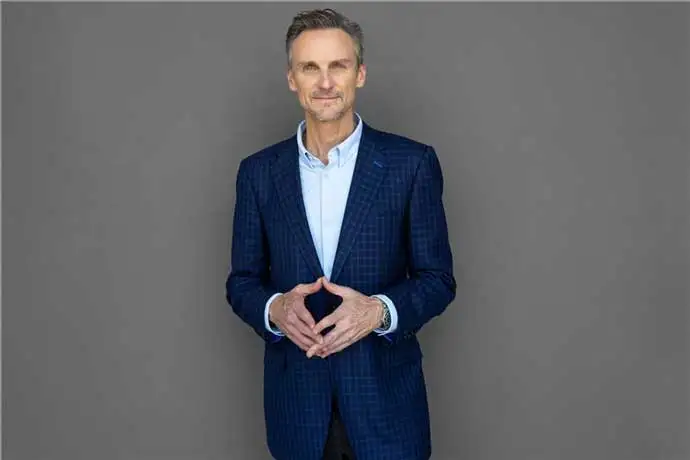
Andrew Schaap, CEO
Headquarters: Plano, Texas
Aligned Data Centers delivers scalable and high-efficiency data centers designed for AI, cloud and enterprise demands with dozens of data centers across America and South America.
The company provides data center infrastructure and liquid-cooling solutions to a range of clients—from cloud hyperscalers to enterprise colocation customers.
In October, Aligned Data Centers was acquired for $40 billion by a consortium of big tech companies and investment firms including Nvidia, Microsoft, BlackRock, MGX of Abu Dhabi and the Kuwait Investment Authority.
Amazon Web Services
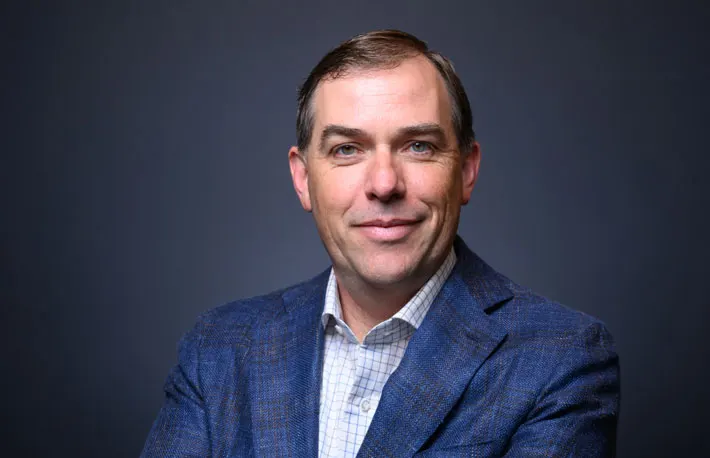
Matt Garman, CEO
Headquarters: Seattle
Amazon Web Services is the largest cloud provider in the world with hyperscale data centers throughout the globe.
The cloud and AI titan is pouring billions of dollars into expanding or building new data centers across the world to power its ever-growing list of cloud and AI solutions.
In 2026, AWS parent company Amazon said it will invest approximately $200 billion in capital expenditures, predominantly in AWS infrastructure.
AMD
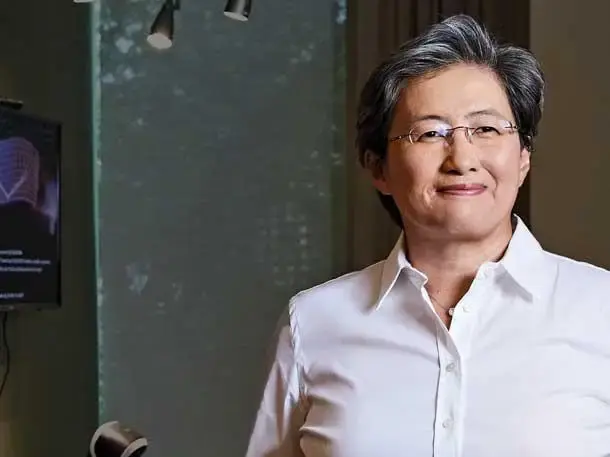
Lisa Su, President, CEO
Headquarters: Santa Clara, Calif.
AMD is a world leader in chips with its technology powering billions of experiences across cloud and AI infrastructure, embedded systems, AI PCs and enterprises.
With a broad portfolio of AI-optimized CPUs, GPUs, networking and software, AMD delivers full-stack AI offerings that aim to provide the performance and scalability needed for the AI era.
AMD recently reported $10.3 billion in revenue for the fourth quarter of 2025, giving the chip giant a $41 billion annual run rate.

American Tower
Steven Vondran, President, CEO
Headquarters: Boston
American Tower is a massive real estate investment trust company with interconnected data centers across the U.S. that support cloud computing, AI and edge demands.
The company owns a portfolio of over 149,000 communications sites and a highly interconnected footprint of data centers in America. American Tower also provides network services and telecommunications infrastructure.
For its third quarter of 2025, American Tower generated $2.7 billion in revenue, up 8 percent year over year, with net income of $913 million.
Applied Digital
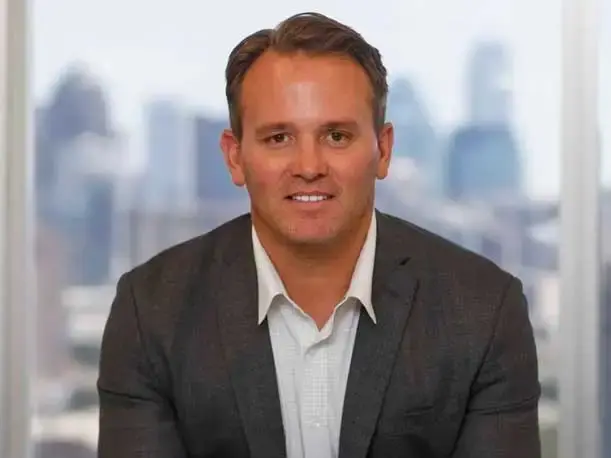
Wes Cummins, Chairman, CEO
Headquarters: Dallas
Applied Digital is a designer, builder and operator of high-performance, sustainably engineered data centers and colocation services for AI, cloud, networking and blockchain workloads.
The startup combines hyperscale expertise, proprietary waterless cooling and rapid deployment capabilities to deliver scalable compute at speed while creating economic opportunities in underserved communities through its Polaris Forge AI Factory model.
In January, Applied Digital appointed co-founder Jason Zhang as the company’s new president.

Arista Networks
Jayshree Ullal, President, CEO
Headquarters: Santa Clara, Calif.
Arista Networks is an industry leader in networking for large AI data centers and campus networks with a focus on high-performance switches and the Arista Extensible Operating System (EOS).
The company offers platforms that deliver availability, agility, automation, analytics and security through an advanced network operating stack.
For its third quarter of 2025, Arista reported $2.3 billion in revenue, an increase of 27 percent year over year.
Broadcom
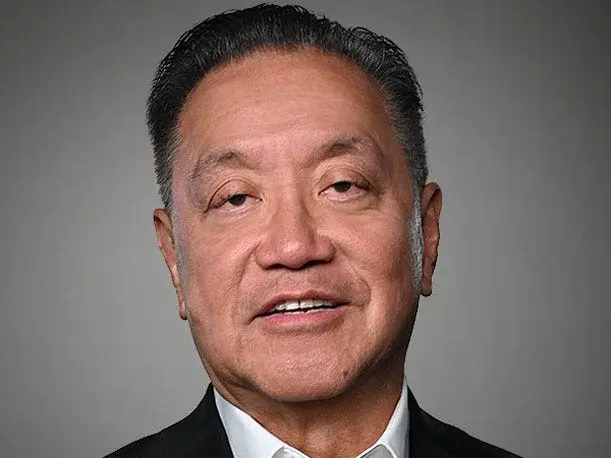
Hock Tan, President, CEO
Headquarters: San Jose, Calif.
Broadcom is a global provider of semiconductors and infrastructure software including chips, telecom offerings and networking hardware for data centers and enterprises.
Broadcom also provides key software and virtualization offerings from VMware, which Broadcom acquired in 2022 for $61 billion, including its private cloud full-stack VMware Cloud Foundation (VCF) platform.
In February, Broadcom launched what it dubs as the industry’s first Wi-Fi 8 access point and switch offering for AI-ready networks.
Cato Networks
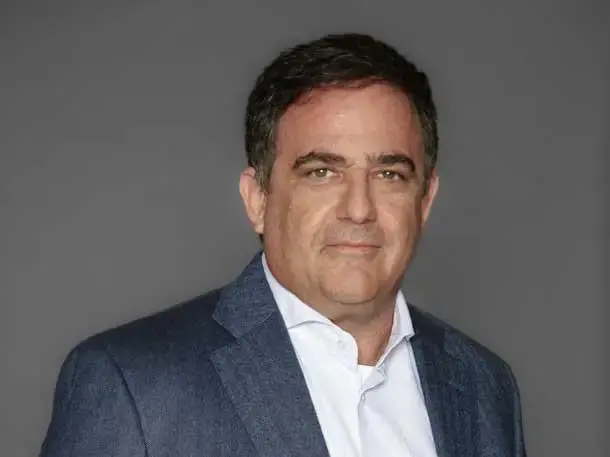
Shlomo Kramer, Co-Founder, CEO
Headquarters: Tel Aviv, Isreal
Cato Networks delivers enterprise security and networking in a single cloud platform for data center customers.
The company is a top SD-WAN and Secure Access Service Edge (SASE) innovator that provides threat prevention, data protection, and timely incident detection and response. Cato operates a global SASE platform that utilizes over 85 Points of Presence (PoP) in data centers that connect users and applications through a private backbone.
In September, Cato opened a new PoP in Norway that extended its AI-powered network security platform to sites and users in Norway and across the Nordics.
Cisco Systems
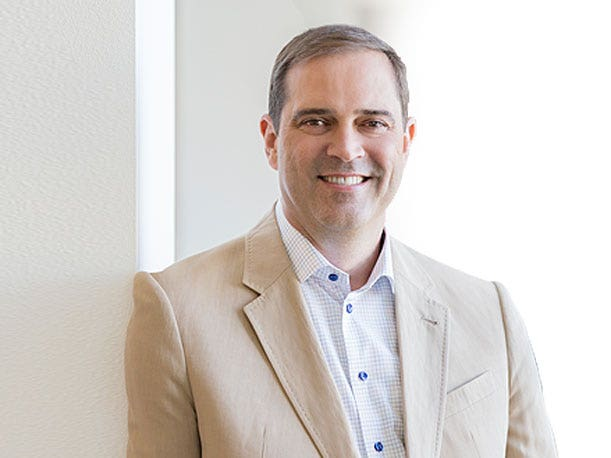
Chuck Robbins, Chair, CEO
Headquarters: San Jose, Calif.
The world’s longtime and dominant networking powerhouse has been a central player in the data center industry for decades.
Cisco constantly launches new systems and software innovation for networking, AI, cybersecurity, data protection, collaboration, video and more for its enterprise and data center customers.
In 2026, Cisco launched its new Cisco 360 Partner Program after 15 months of co-design with partners with the goal of meeting customer needs in the AI era.
Wade’s Data Center 50 Blurbs

Cloud Software Group
Tom Krause, CEO
Headquarters: Fort Lauderdale, Fla.
Cloud Software Group has assembled a powerful portfolio essential to modern data centers and workplaces, from Citrix’s unified digital workspace to Spotfire’s self-service analytics for data-intensive workloads. Now CSG looks to conquer data management through its acquisition of Arctera and the company’s InfoScale for data resilience, Backup Exec for data protection and Insight for data compliance.

Cologix
Laura Ortman, CEO
Headquarters: Denver
Cologix’s expanding data center capacity across North America includes more than 45 hyperscale edge facilities and interconnection hubs in 13 markets, with the company recently acquiring 38 acres in Virginia’s “Data Center Alley” and adding DataHiveOne, strengthening its position in colocation and global interconnection for customers and partners.

CoreWeave
Michael Intrator, Co-Founder, CEO
Headquarters: Livingston, N.J.
CoreWeave plays at the forefront of AI leadership and the emerging NeoCloud infrastructure market while rapidly scaling its data center capabilities. CoreWeave brings innovation to storage and networking while deepening its Nvidia partnership—the chipmaker has recently invested $2 billion into CoreWeave and partnered on bringing more than 5 gigawatts of AI factory capacity by 2030.

CyrusOne
Eric Schwartz, CEO
Headquarters: Dallas
CyrusOne continues to extend its data center capacity beyond its 60-plus operations data centers, 16.2 million square feet of data center space and 1-plus gigawatts of power. Strategic collaborations—including a Calpine power deal and a battery‑supported campus with Eolian—position the company to meet rising AI‑driven compute demand.
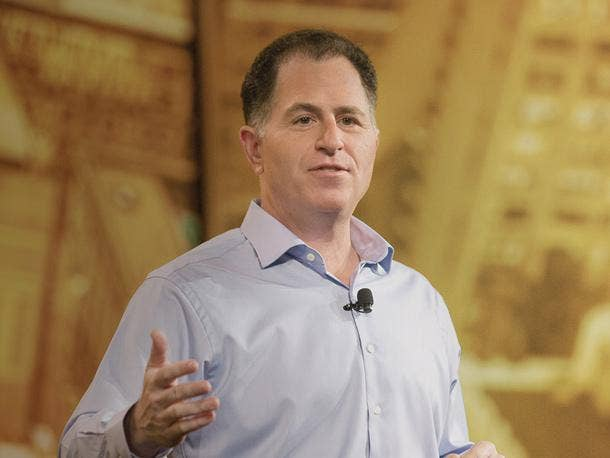
Dell Technologies
Michael Dell, Founder, Chairman, CEO
Headquarters: Round Rock, Texas
Dell partners have a powerful position in the AI era through offers spanning AI control planes and distributed data centers powering AI at the edge. The company also maintains a long-term vision, with Genesis Mission to deliver a functional, scientifically useful quantum computer by 2028.

Digital Realty
Andy Power, CEO
Headquarters: Austin, Texas
Digital Realty sees robust adoption across its global data center product stack, with Service Fabric now enabling access to hundreds of cloud on-ramps, interconnected data centers globally and megawatts of new capacity delivered during the year. A record year-end $1.4 billion backlog plus $10 billion in gross data center development pipeline underscore the company’s long-term growth momentum.
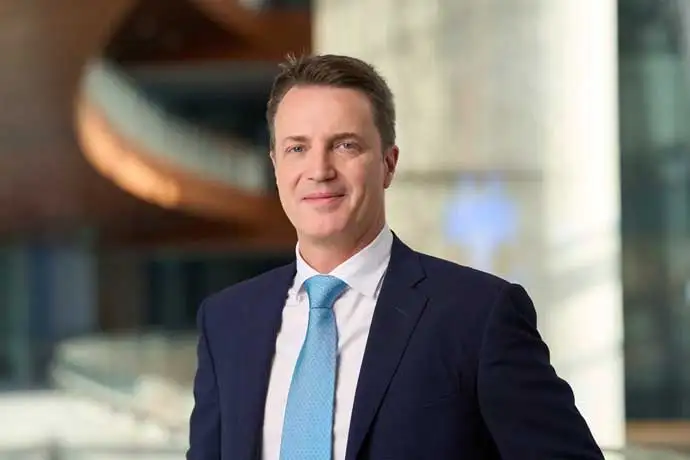
Eaton
Paulo Ruiz, CEO
Headquarters: Dublin, Ireland
Capturing record data center demand through modular, scalable power infrastructure investments, a new $50 million-plus, 350,000-square-foot Virginia facility and the acquisition of thermal components and ruggedized products company Boyd Thermal are at the crux of Eaton’s winning strategy looking ahead.

EdgeConneX
Randy Brouckman, Co-Founder, CEO
Headquarters: Herndon, Va.
EdgeConneX has built a global reputation for delivering high-density AI data centers with flexibility in location, scale and design. The company supports workloads from 100 kilowatts to 300-plus kW per rack for deployable compute across cloud, content and network services.

Equinix
Adaire Fox-Martin, President, CEO
Headquarters: Redwood City, Calif.
Equinix and its ecosystem look to conquer 2026 with an AI‑optimized network covering more than 270 data centers worldwide. A huge bookings pipeline, growing monthly recurring revenue, expanding capacity for the xScale hyperscaler data center business and major projects underway—including a new 240‑megawatt Georgia facility—exemplify Equinix’s drive.

Expedient
Bryan Smith, CEO
Headquarters: Pittsburgh
Expedient is driving data center innovation through its intelligent infrastructure approach unifying cloud, data and AI while bridging the AI skills gap through its AI CTRL AI platform’s agentic workflow engine and an outcomes team that helps clients build internal expertise and identify measurable business outcomes from AI adoption.
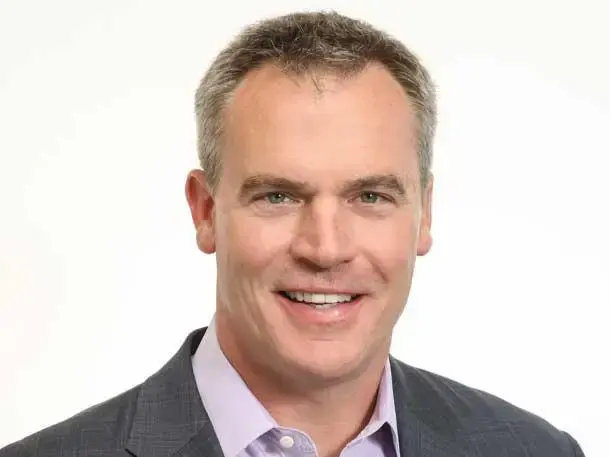
Extreme Networks
Ed Meyercord, President, CEO
Headquarters: Morrisville, N.C.
Propelled by ongoing double-digit revenue growth, Extreme Networks is taking on networking heavyweights with a unified management platform that uses AI to cut manual work for network and security tasks by up to 90 percent. The company is also leaning into AI to help partners gain revenue and profits more quickly through a new program.

Flexential
Ryan Mallory, CEO
Headquarters: Denver
With more than 40 data centers across 18 markets on a high-speed network, Flexential is making it easier for customers to connect and access services through the Flexential Marketplace, which allows cloud providers, as-a-service providers, carriers and enterprises to form physical or virtual connections across its colocation platform.
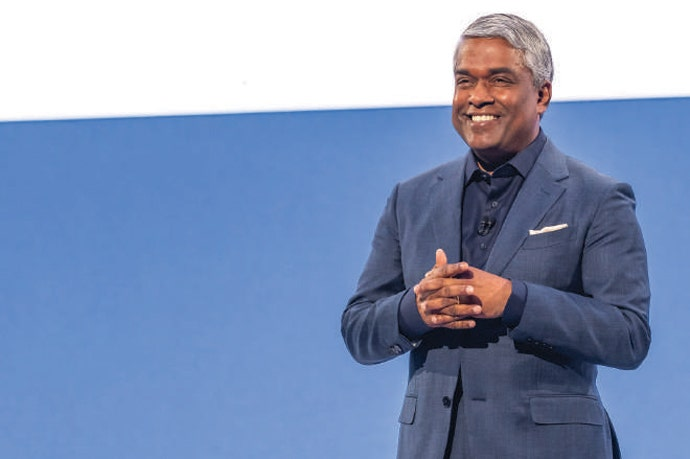
Google Cloud
Thomas Kurian, CEO
Headquarters: Mountain View, Calif.
With Google Cloud growing share faster than both Microsoft and Amazon Web Services in the global cloud market, the cloud infrastructure giant has aggressively expanded its AI offerings, including the launch of Gemini Enterprise, and introduced a new partner program meant to incentivize successful customer outcomes over the past several months.

H5 Data Centers
Top Executive: Josh Simms, Founder, CEO
Headquarters: Englewood, Colo.
With more than 4 million square feet of data center space across 25 U.S. markets, H5 Data Centers continues to expand its footprint through acquisitions or new construction. The company’s offerings include a variety of colocation solutions and services for on-site IT support as well as backup and recovery.
HPE
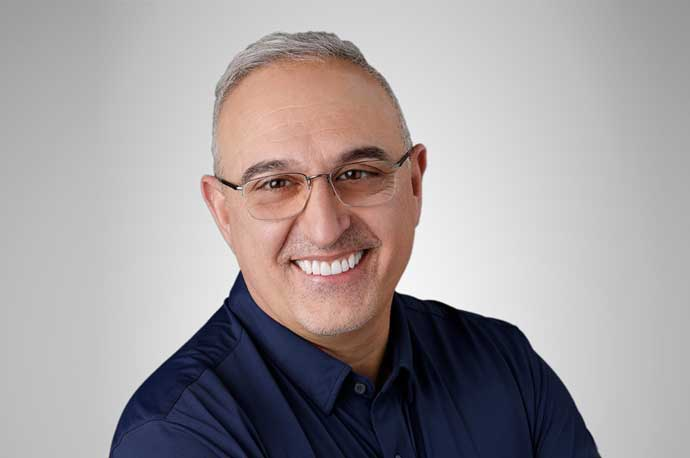
Antonio Neri, President, CEO
Headquarters: Spring, Texas
HPE is shaking up the data center infrastructure market with its $13.4 billion acquisition of Juniper Networks, which is boosting networking revenue and allowing the vendor to introduce a bespoke scale-up switch for rack-scale AI platforms. The company is also deepening its ties with Nvidia to introduce new AI factory solutions.

Hitachi Vantara
Sheila Rohra, CEO
Headquarters: Santa Clara, Calif.
Hitachi Vantara is using its foundations in data storage, infrastructure and hybrid cloud to make a big push into AI. These efforts include the company’s new Hitachi IQ Studio offering for building, deploying and managing AI agents as well as a new partnership with Nvidia on the deployment of AI factories.
IBM
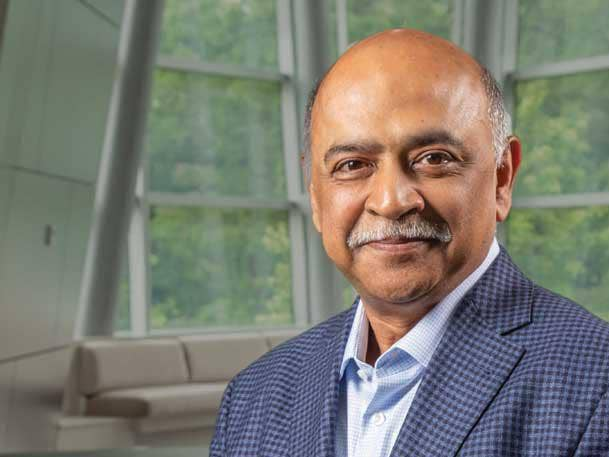
Arvind Krishna, Chairman, President, CEO
Headquarters: Armonk, N.Y.
IBM’s mainframe business is having a big moment, as the unit reached the highest annual revenue the company has seen in the past 20 years last year. This is happening as the tech giant introduced its Spyre GenAI cards to bring generative and agentic AI capabilities to its portfolio of servers and mainframes.

Iceotope
Jonathan Ballon, CEO
Headquarters: Sheffield, U.K.
Iceotope is helping operators cool data centers and reduce energy consumption with “direct-to-everything” liquid-cooling technology that captures nearly all the heat generated by high-performance CPUs and GPUs. The company’s offerings include the KUL BOX, a compact, liquid-cooled AI inferencing cluster that is designed as a turnkey solution.
Intel
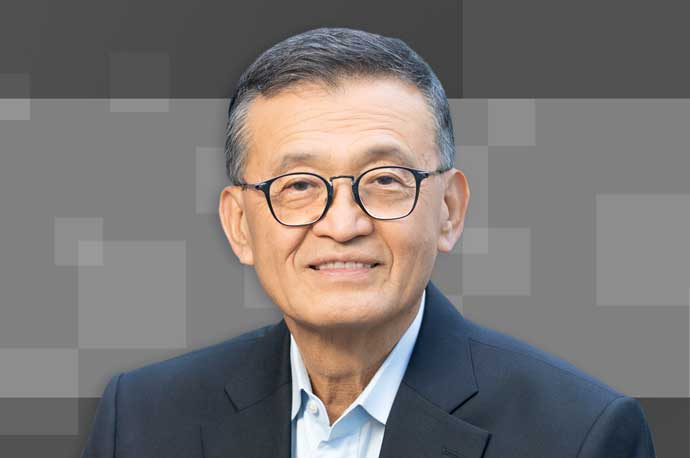
Lip-Bu Tan, CEO
Headquarters: Santa Clara, Calif.
Intel is reaping the rewards of an ongoing AI data center buildout that is increasingly hungry for CPUs as its CEO reworks the company’s data center strategy, makes a new push with GPUs and eyes rack-scale AI platforms for a more competitive future.
Iron Mountain
William Meaney, President, CEO
Headquarters: Portsmouth, N.H.
Iron Mountain runs hyperscale and colocation data centers representing a total of 1.3 gigawatts across three continents. The company’s data center business, combined with its digital and asset life-cycle management divisions, collectively grew more than 30 percent in annual revenue last year as it continues to build out new capacity.

JetCool, a Flex Company
Bernie Malouin, CEO
Headquarters: Littleton, Mass.
JetCool Technologies develops liquid-cooling systems for enterprise data centers, providing foundational technology for high-performance, hyperscale and colocation systems, including power-hungry servers performing AI tasks.
The company’s offerings, which utilize microconvective cooling technology, range from fully sealed cold plates and direct-to-chip products to embedded liquid cooling and complete turnkey cooling systems.
JetCool, acquired by Austin, Texas-based Flex in November 2024, is a Dell Technologies OEM partner, providing liquid-cooling systems for Dell PowerEdge and XE servers.
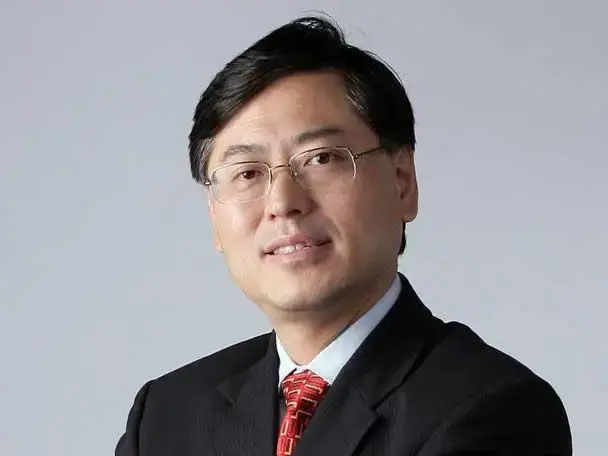
Lenovo
Yuanqing Yang, Chairman, CEO
Headquarters: Beijing, China; Morrisville, N.C.
Lenovo is one of the IT industry’s leading providers of servers, supercomputers, data storage systems, and other data center infrastructure hardware and management software.
Lenovo’s Intel Xeon-based ThinkSystem servers are the company’s flagship product line, available in rackmount, tower and edge configurations. The systems are also Lenovo’s core offerings for running AI and inferencing applications.
Lenovo is in the process of acquiring data storage technology developer Infinidat, a move that will boost Lenovo’s portfolio of storage systems for high-performance workloads, including data-intensive AI tasks.

LogicMonitor
Christina Kosmowski, CEO
Headquarters: Santa Barbara, Calif.
LogicMonitor describes its mission as providing a unified observability platform for hybrid IT environments used to identify, resolve and even prevent issues before they impact business operations.
The company’s LM Envision system is used to monitor and analyze the performance of IT systems, including servers, networks, applications and services across data centers and clouds. LogicMonitor touts LM Envision as a critical tool for delivering resilience for the AI era, unifying observability with agentic AIOps capabilities in one platform.
In December LogicMonitor acquired CatchPoint, a developer of internet performance and digital experience monitoring technology, in a move to expand its observability capabilities to websites and web applications and services.

Lumen Technologies
Kate Johnson, CEO
Denver
Lumen in recent years has been transforming itself from a legacy telecommunications company to a provider of strategic enterprise network and communications services that leverage the company’s vast fiber footprint to securely connect people, data and applications
Key to Lumen’s offerings is the Lumen Connectivity Fabric, a secure, high-capacity network infrastructure introduced in early 2025 that the company says is tailored for AI-driven, data-intensive workloads.
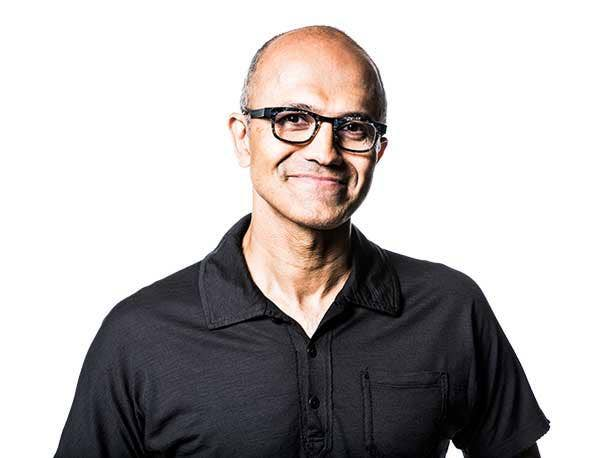
Microsoft
Satya Nadella, Chairman, CEO
Redmond, Wash.
While Microsoft is well known for its desktop applications, the software powerhouse is a key player in the data center space with such offerings as its Windows Server operating system, SQL Server database, Dynamics 365 business applications and other enterprise software.
Microsoft has established itself as one of the industry’s cloud hyperscalers with its Azure platform and a growing number of data centers around the world that provide data center infrastructure services.
Microsoft has built what it describes as the world’s most powerful AI data center in Racine County, Wis., a facility with 1.2 million square feet of floor space and 337.6 megawatts of capacity, running thousands of interconnected Nvidia GB200 processors.
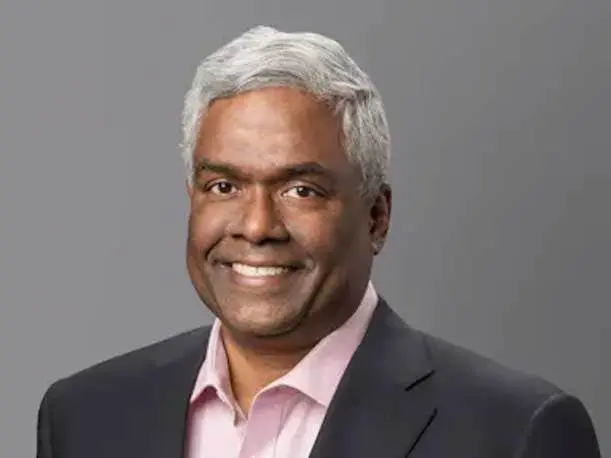
NetApp
George Kurian, CEO
San Jose, Calif.
NetApp is a longtime key player in the data center infrastructure space with its enterprise-scale data storage systems. The company’s product portfolio includes a combination of on-premises storage systems, public cloud storage and hybrid data services.
Given the importance of data storage for high-performance AI workloads, NetApp has been positioning itself as a key supplier of “intelligent data infrastructure” for AI tasks. In October the company debuted NetApp AFX 1K, a new “disaggregated” storage system (which separates storage controllers from storage capacity) and the NetApp AI Data Engine—new technologies to meet the high-speed, low-latency data throughput needs of AI applications.
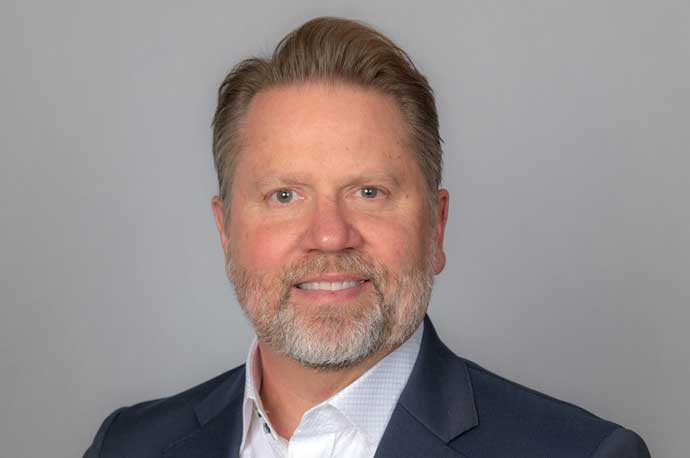
NTT Global Data Centers
Doug Adams, President, CEO
Headquarters: Sacramento, Calif.
NTT Global Data Centers, a division of NTT Data, is one of the world’s largest data center service providers with more than 150 facilities in more than 20 countries providing in excess of 2,000 megawatts of critical IT load capacity.
In May 2025 parent company NTT Data unveiled expansion plans for the Global Data Centers division, including securing land across North America, Europe and Asia during the previous six months to support a gigawatt of planned data center capacity.
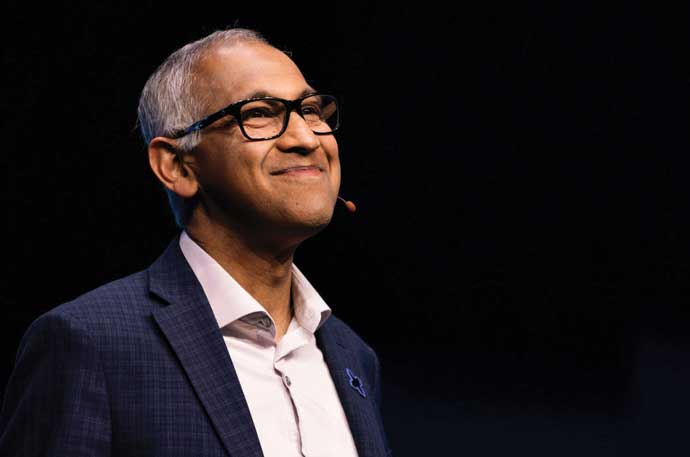
Nutanix
Rajiv Ramaswami, President, CEO
San Jose, Calif.
Nutanix has developed hyperconverged infrastructure technology, the Nutanix Cloud Infrastructure (NCI), that combines compute, storage, network and virtualization capabilities, making it possible to run applications and manage data across data centers and hybrid cloud environments.
In January the company launched Nutanix Cloud Platform 7.5, a new release of the company’s flagship system (which incorporates NCI and other system management tools). NCP 7.5 offers new AI, management, security, data sovereignty and Kubernetes capabilities.
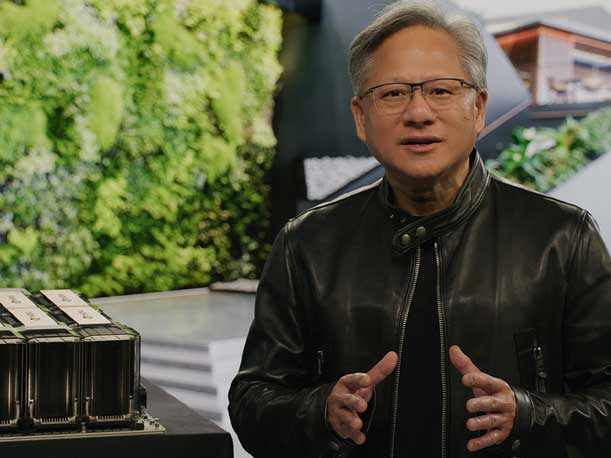
Nvidia
Jensen Huang, President, CEO
Santa Clara, Calif.
Nvidia has become the world leader in developing the processors (GPUs), GPU-based hardware and related software that power high-performance computing and AI systems running in massive data centers—what the company calls the “AI factories of the future.”
In 2025 Nvidia, now widely considered “the AI infrastructure” company, became the first company to achieve a market cap of $4 trillion and in January surpassed $100 billion in annual semiconductor revenue.
Nvidia’s Blackwell Ultra platform is the company’s current flagship product while the next-generation Vera Rubin GPU, unveiled at CES 2026, is expected to continue Nvidia’s momentum.
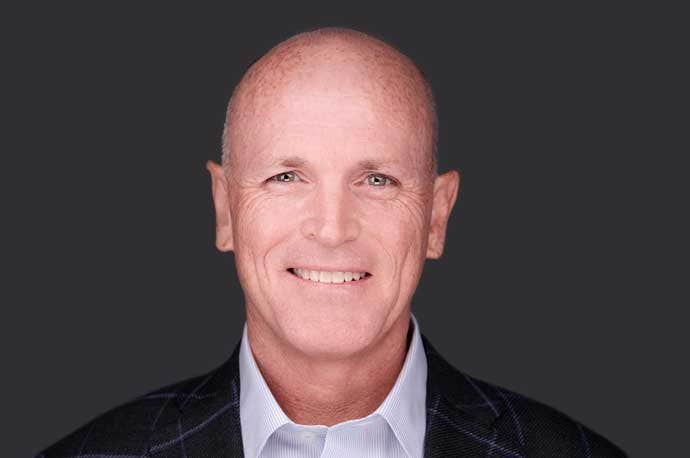
Opengear
Patrick Quirk, SVP, GM
Sandy, Utah
OpenGear provides network resilience and out-of-band management capabilities with its Network Resilience Platform, which combines custom hardware with the company’s LightHouse Software portfolio.
The company’s technology allows network engineers to manage, monitor and remediate networks during outages or when production networks are too congested. It creates an independent management network with secure remote access to provision, configure and troubleshoot critical IT infrastructure.
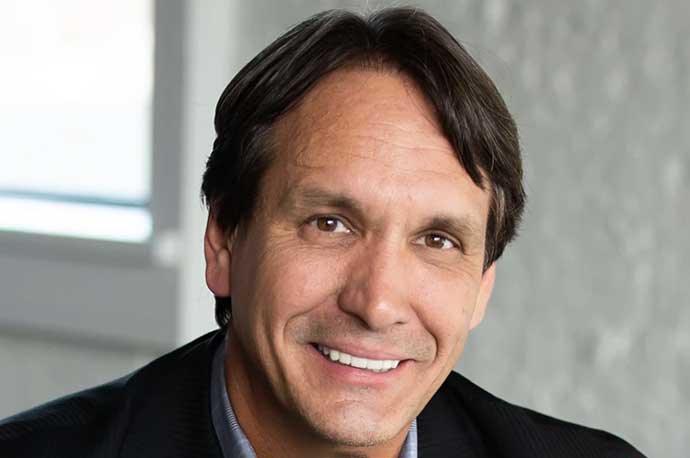
OptiCool Technologies
Mark Chaney, Founder, CEO
Webster, N.Y.
OptiCool is a supplier of two-phase pumped refrigerant cooling systems for data center applications. The company’s fourth-generation Delta4T technology uses refrigerant as the primary heat sink instead of only in the compression cycles, which it says enables more effective cooling with lower energy consumption than single-phase water-based systems.

Quantum
Hugues Meyrath, CEO
Centennial, Colo.
Quantum helps businesses enrich, orchestrate, protect and archive video and other unstructured data with security and at scale. The company offers all-flash file and object storage, a high-performance file system, unified surveillance platform, network video recording servers, AI-enabled workflow management software, and data protection hardware including backup appliance and tape drives and libraries.
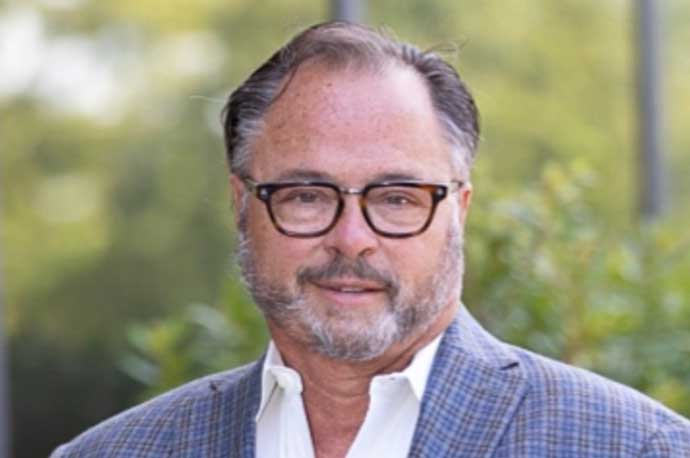
Scale Computing
Bill Morrow, CEO
Austin, Texas
Scale Computing provides edge computing, managed network security, virtualization and hyperconverged infrastructure and for years has touted itself as a primary alternative to VMware after that company was acquired by Broadcom. The company in July was acquired by secure edge connectivity, visibility and computing technology developer Acumera.

Schneider Electric
Olivier Blum, CEO
Rueil-Malmaison, France
Schneider Electric develops technologies to help provide resilient and sustainable power to buildings, data centers, factories, infrastructure and grids via intelligent devices, software-defined architectures and AI-powered systems. The company’s data center technologies are centered on its EcoStruxure power, cooling, management and security systems, along with pod data centers, prefabricated systems, micro data centers and UPSes.

Stack Infrastructure
Matthew VanderZanden, CEO Americas
Denver
Stack Infrastructure is a leading global developer and operator of data centers. The company offers scalable AI, machine learning and cloud capabilities with 3,200 MW of capacity across 23 campuses in the U.S., 470 MW of capacity across four campuses in the Asia-Pacific and 643 MW of capacity across 19 campuses in Europe.

Supermicro
Charles Liang, President, CEO
San Jose, Calif.
Supermicro is at the forefront of the data center infrastructure business with its wide range of servers and storage arrays as well as edge devices and networking products. It also provides one of the industry’s most complete selection of components for businesses building their own systems. It works with everyone from end users to hyperscalers.
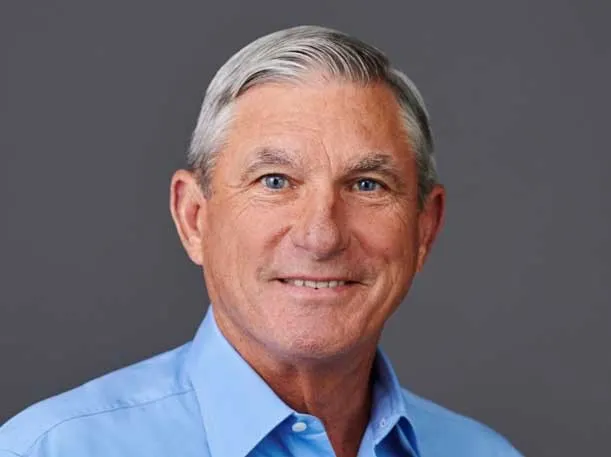
TierPoint
Jerry Kent, Chairman, CEO
St. Louis, Mo.
TierPoint provides a comprehensive portfolio of services, including public cloud, private cloud and multi-tenant clouds, with offerings ranging from colocation to disaster recovery to security. Since 2010, the company has expanded with a suite of cloud and managed services and has built a portfolio of facilities that include 40 data centers across 20 U.S. markets, coast to coast.
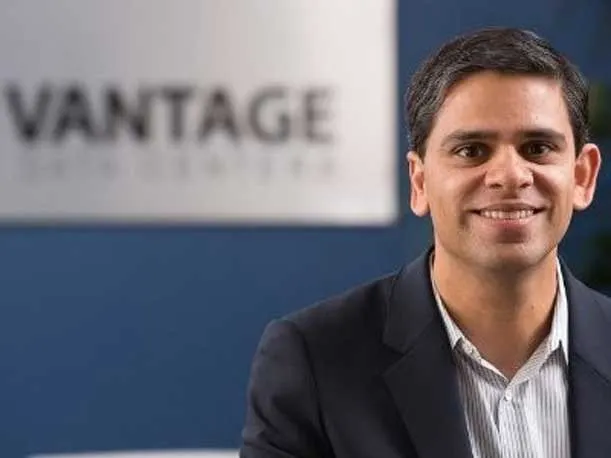
Vantage Data Centers
Sureel Choksi, President, CEO
Denver
Vantage Data Centers designs, develops and operates flexible and scalable data centers, with 41 campuses in 26 markets worldwide. Its 34 million square feet of data center space provides 8.7 gigawatts of capacity, giving customers everything from rack-ready turnkey configurations to white space capacity ready to customize. It also designs and builds data centers to order.

Vertiv
Giordano Albertazzi, CEO
Westerville, Ohio
Vertiv develops critical digital infrastructure for applications in data centers, communication networks, and commercial and industrial environments. The company delivers end-to-end infrastructure aimed at ensuring power, cooling, IT and services work in unison for customers deploying AI as well as in such sectors as high-performance computing, telecom, manufacturing and health care.

ZutaCore
Erez Freibach, Co-Founder, Chairman, CEO
San Jose, Calif.
ZutaCore helps build sustainability with its HyperCool direct-to-chip, waterless liquid- cooling technology for mainstream data centers. The company’s two-phase liquid-cooling technology can be deployed with little to no data center disruption to help increase processing capacity, providing what it says is 50 percent lower energy use and half the space of conventional data center cooling systems.